Soybean Weeds
Recommended Content
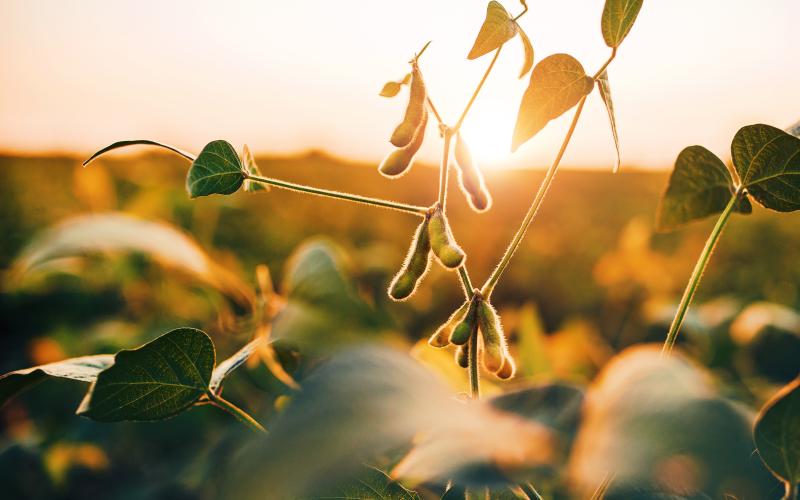
Best Management Practices for Soybean Production
This is your unbiased, research-based guide to soybean production to help increase yield, reduce input costs and protect your investment.
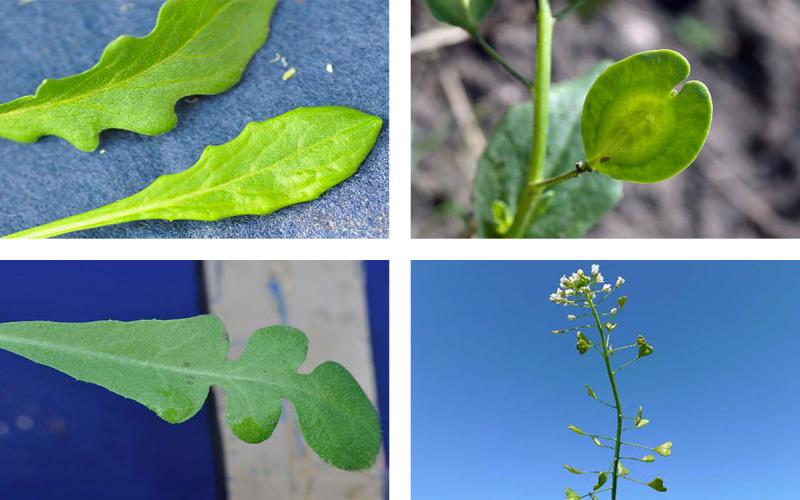
Early Season Prevalence of Field Pennycress and Shepherd’s Purse
Many fields that are planted to winter wheat or have yet to be tilled may have a healthy infestation of field pennycress or shepherd’s purse. Learn some expert tips for identifying and managing these weeds before they become a problem this growing season.
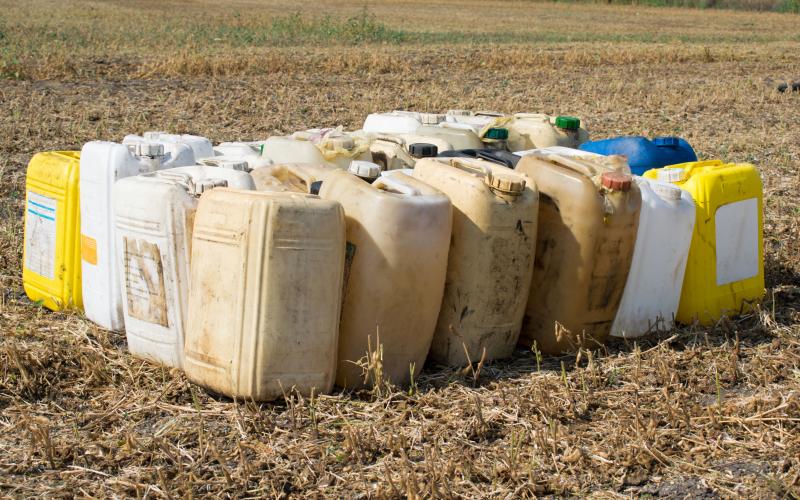
Herbicide Group Classification
The intent of providing herbicide group numbers and mode/site-of-action information on labels is to help develop herbicide plans that reduce the selection pressure on herbicide-resistant weeds. Learn how understanding this information can help improve your plans.
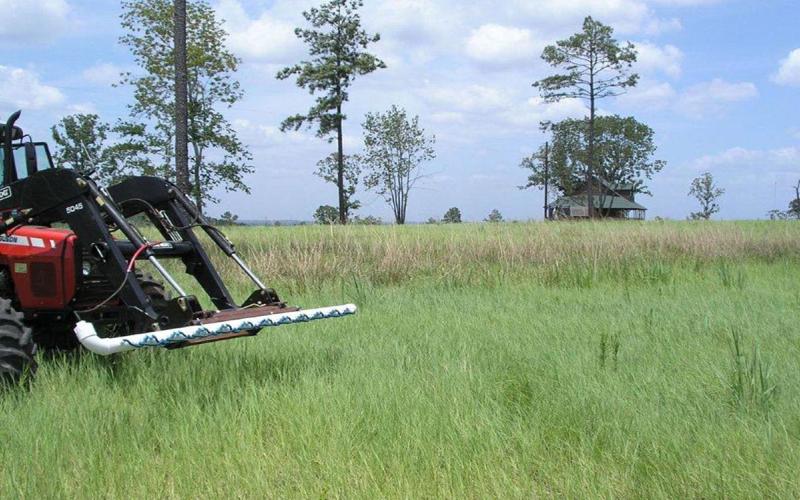
Low-Cost and Adaptable Plans to Build a Wick Applicator for Herbicides
From crop fields to home gardens, wick applicators can manage weeds by applying herbicides directly to weeds growing at a set height above desirable plants. Learn how to build one yourself in this article.
Preemergence Herbicide Application Considerations for 2024
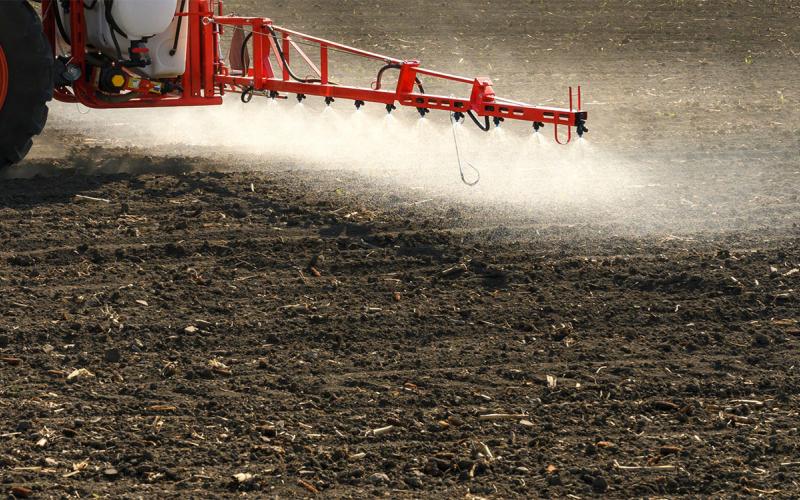
Preemergence herbicides control germinating weeds, which minimizes early-season competition with crops to keep yield potential higher. Learn what factors influence their effectiveness and what can be done to avoid control failures and unintended crop injury.
Early Emerging Weeds and Effective Management
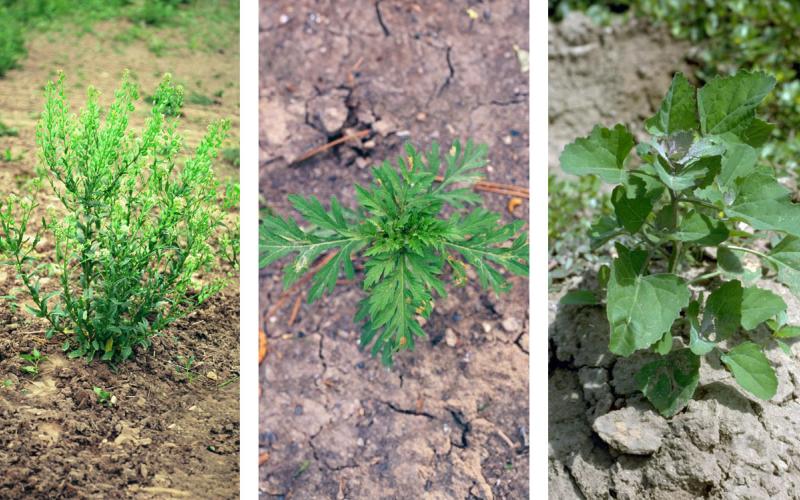
Managing early emerging weeds before crop planting or emergence is important to minimize early season competition, which can lower yield potential, even if the weeds are managed later in the season. Learn some tips for getting started.
Herbicide Carryover Concerns for 2024
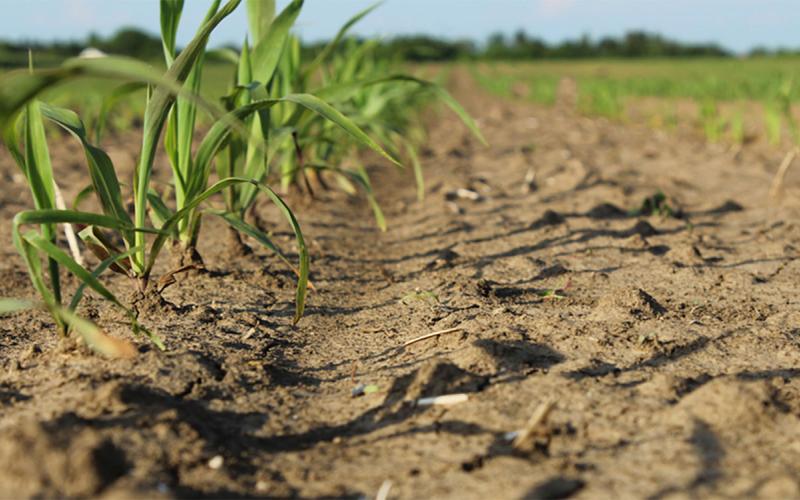
Herbicides with residual activity have great utility for weed management. However, due to environmental conditions, some herbicides can persist so that the crop grown next year can be injured.

Conventional Soybean Weed Management
Compared to GMO soybean varieties, weed management in conventional soybean is more difficult and requires more planning to be successful. Learn some expert tips for getting conventional soybeans off to a great start.
Biennial Weed Species Have Started to Emerge
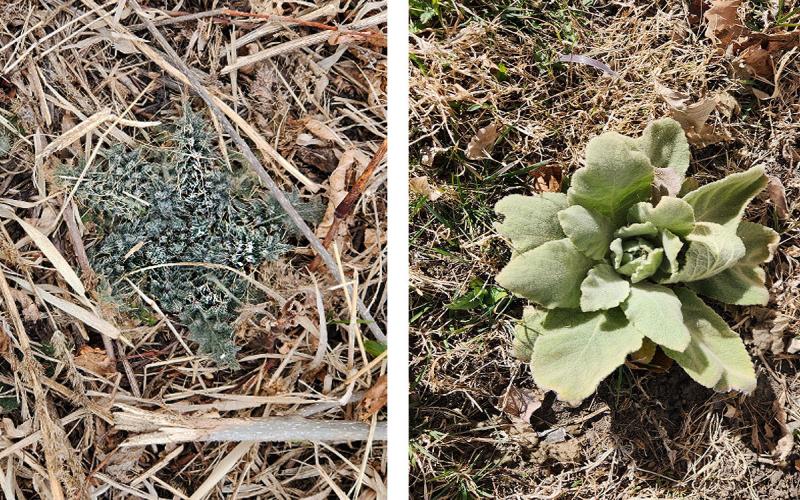
The warmer weather this year has caused some biennial weed species to emerge earlier than normal. Learn some management considerations for areas that have been historically infested with biennial weeds.

Over-the-Top Dicamba Ruling Explained
On February 6, 2024, the U.S. Environmental Protection Agency was ordered to vacate the registrations for dicamba products registered for over-the-top applications on dicamba-tolerant cotton and soybeans. Learn how the ruling will impact the upcoming growing season and beyond.
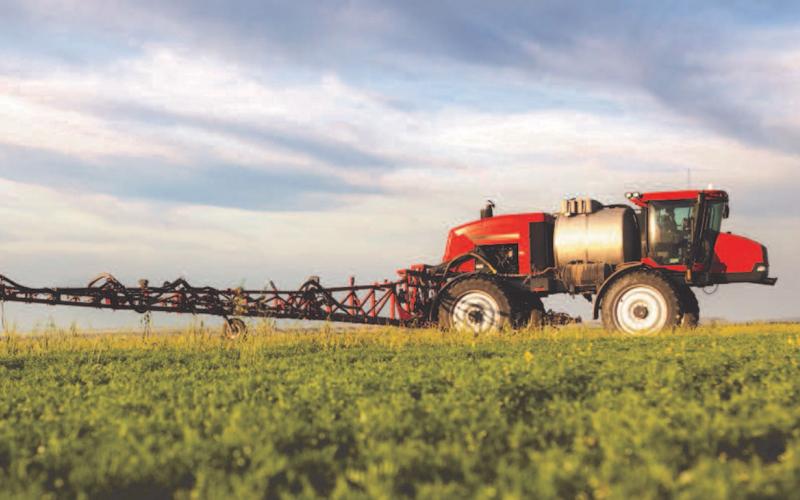
Dicamba Label Vacated: What are the implications for weed control in soybean?
The dicamba labels (Xtendimax, Engenia, and Tavium) have recently been vacated, which effectively means these products cannot be applied over-the-top of tolerant soybeans. Learn some important considerations for soybean weed control in the upcoming growing season.