Soybean Weeds
Recommended Content
Best Management Practices for Soybean Production
This is your unbiased, research-based guide to soybean production to help increase yield, reduce input costs and protect your investment.
SDSU Extension to Tackle Weed, Pest and Drought Inquiries at State Fair
August 23, 2021
To address drought concerns, as well as weed and pest inquiries, South Dakota State University Extension will feature two booth locations at the 2021 South Dakota State Fair Sept. 2-6 in Huron.
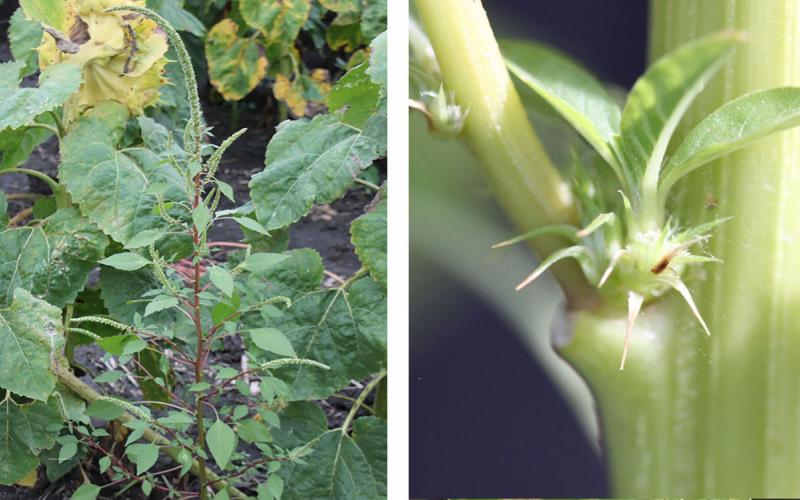
Palmer Amaranth: Now Is the Time to Scout
South Dakota State University (SDSU) Extension encourages farmers, ranchers and other landowners to start scouting for Palmer amaranth, a weed that has been rapidly spreading north into the United States and is likely to be glyphosate-resistant.
'Science for Success: Notes From the Field' Resumes Aug. 6
July 29, 2021
South Dakota growers and agribusiness professionals are invited to join soybean research and Extension specialists from land-grant universities across the country as they host the webinar series, "Science for Success: Notes From the Field."
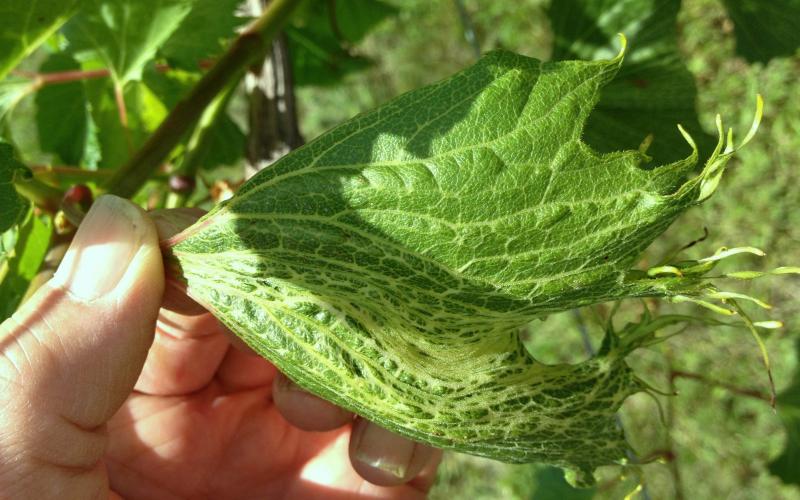
Herbicide Damage to Fruits and Vegetables
Each year in early summer, many growers begin to notice distorted leaves on their fruits, vegetables, and crops. Most commonly the cause is a herbicide application to a nearby field.
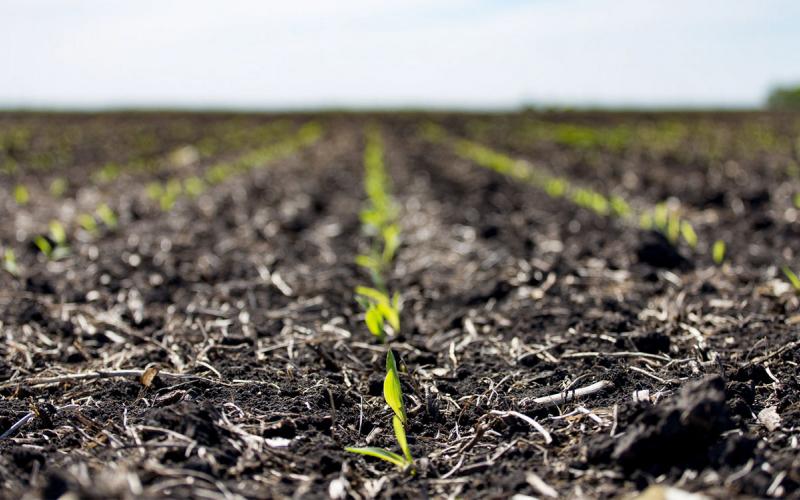
Watch Closely for Weed Emergence
Cool, dry conditions have slowed weed emergence and growth, but dry conditions also have limited the activation of preemergent chemicals. Given this scenario, fields need to be scouted closely to ensure that weeds do not get away.
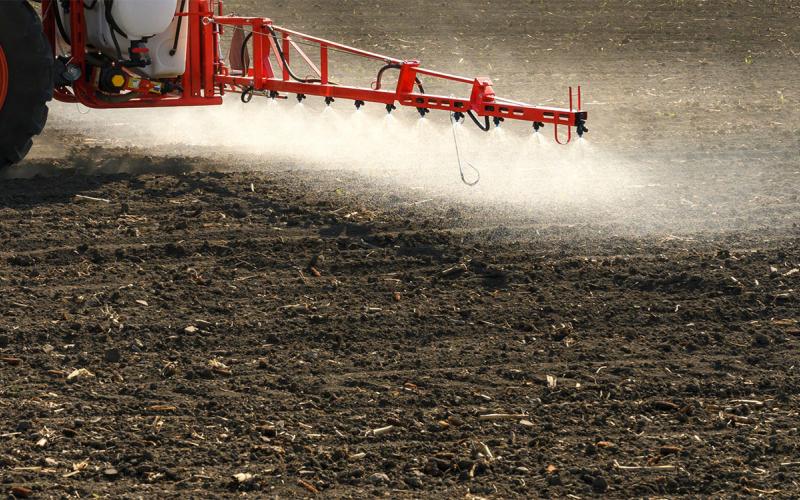
How Well Will Pre-Emergence Herbicides Work in 2021?
It is always good to start with a pre-emergence program to prevent weeds from becoming resistant. With the spring starting out below normal in subsoil, there are questions as to how well preemergent herbicides will work.

2021 South Dakota Pest Management Guides Now Available
February 04, 2021
SDSU Extension has released the 2021 South Dakota Pest Management Guides.
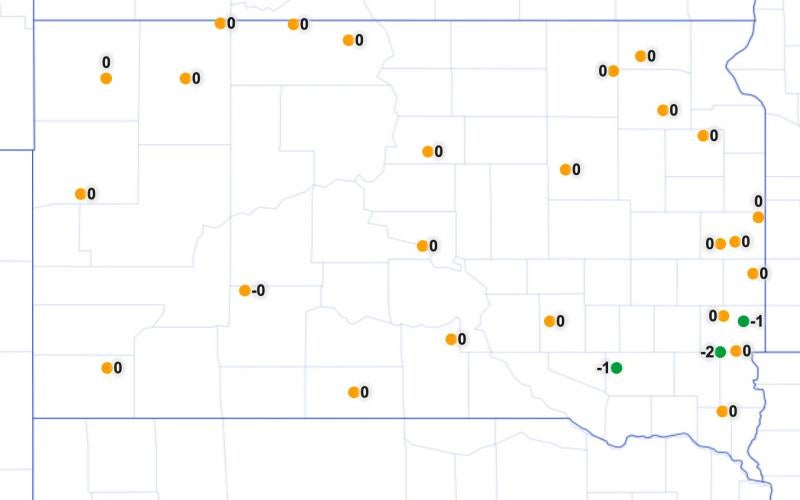
Use the SD Spray Tool for Inversion Detection and Weather for Pesticide Application
The SD Mesonet Spray Tool provides real-time weather data for pesticide applicators. This dedicated website for pesticide applicators uses the SD Mesonet weather data, which is updated every five minutes.
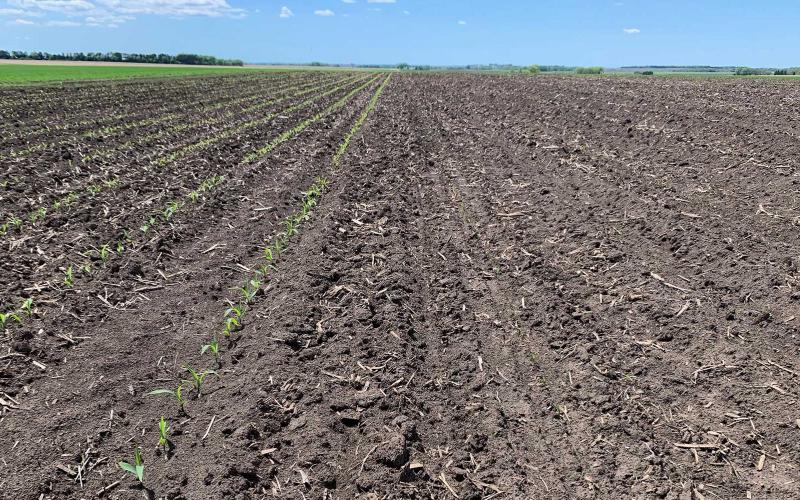
Grassy Weeds
Grassy weeds are a problem in all field crops. They must be identified at early stages of growth so they can be controlled before crop yields are seriously threatened. Control measures are not the same for all grassy weeds, so accurate seedling identification is important.
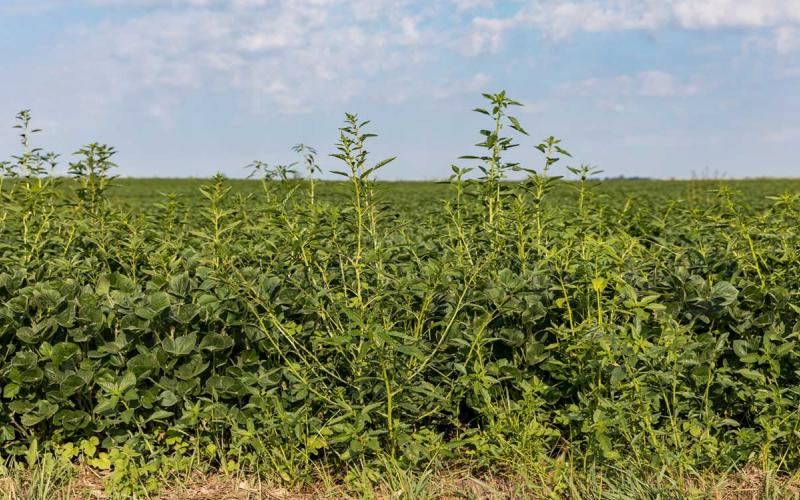
Checking Weed Control at Harvest
With harvest now in full swing, don’t forget to look at your fall weed control. What are the weeds that are left in your crop? Do you know what weeds they are? Is there a weed that you do not know?