Soybean Weeds
Recommended Content
Best Management Practices for Soybean Production
This is your unbiased, research-based guide to soybean production to help increase yield, reduce input costs and protect your investment.
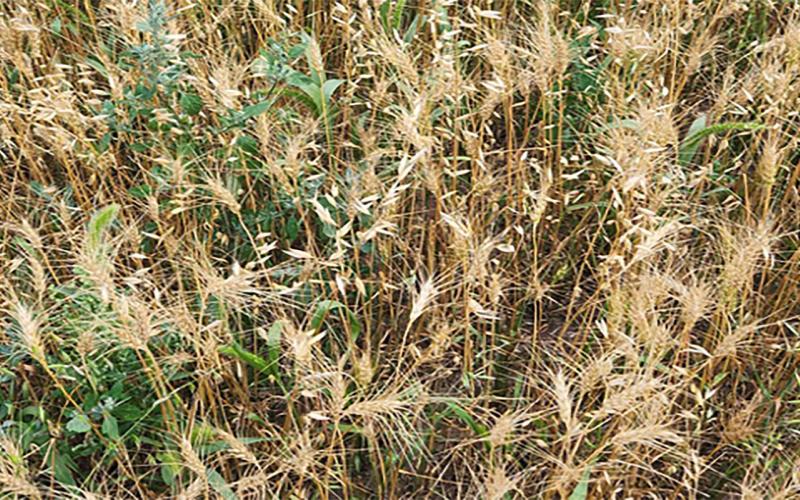
Weed Control Field Test Data
Data books to use as a reference to select appropriate herbicide(s) for row crops
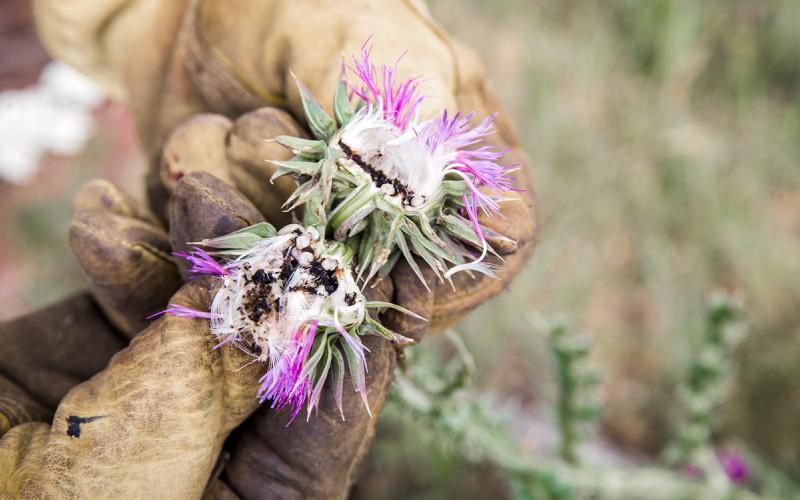
Now is the Time to Plan for Noxious Weed Control in 2026
Most of South Dakota experienced first frosts that were delayed by at least one month, allowing for noxious weed growth to continue later in the season. Now is the time to plan for noxious weed management tactics.
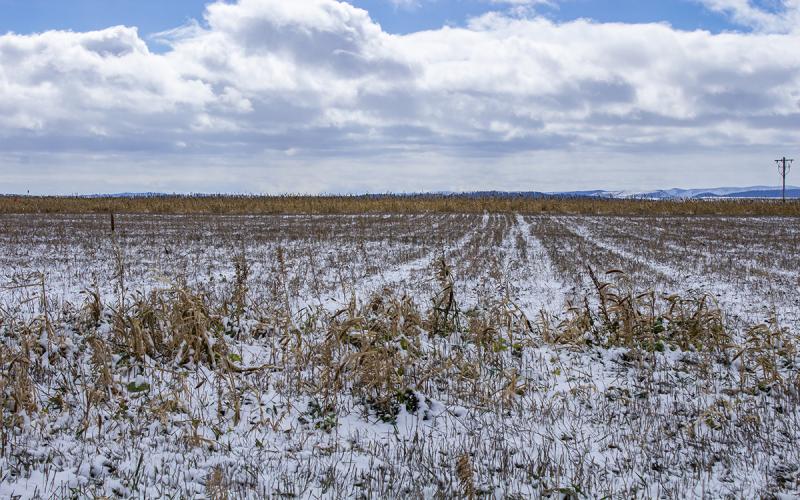
Now is the Time to Prepare Your Weed Management Plan for the 2026 Growing Season
As harvest season comes to an end, now is the time to start formulating your weed management plan for next year. Learn some expert tips for getting your operation off to a good start this coming growing season.

Weed Management via Harvesting Order
Despite The warm and wet growing season that promoted continuous flushes of weed germination, weeds are usually present at the time of harvest. Careful consideration should be taken to determine the order of fields to be harvested.
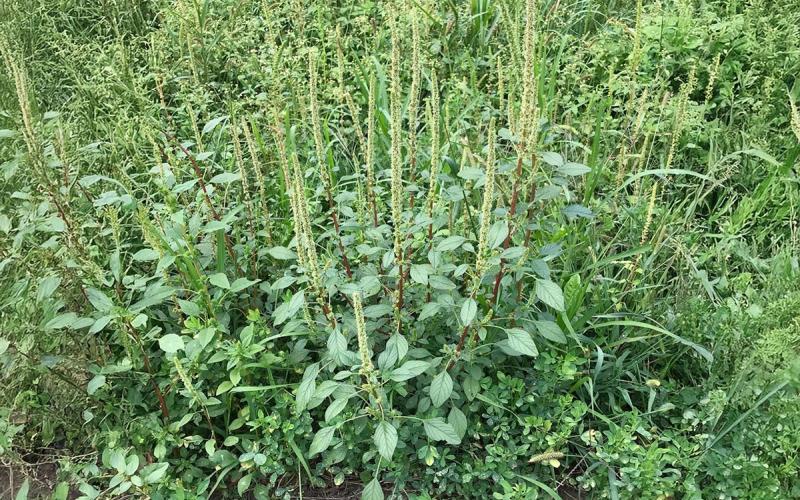
Palmer Amaranth Confirmed in Turner County: Is this weed in your fields?
Palmer amaranth has recently been confirmed in Turner County. Currently, the estimation of Palmer amaranth infestations has been confirmed in 18 counties across South Dakota
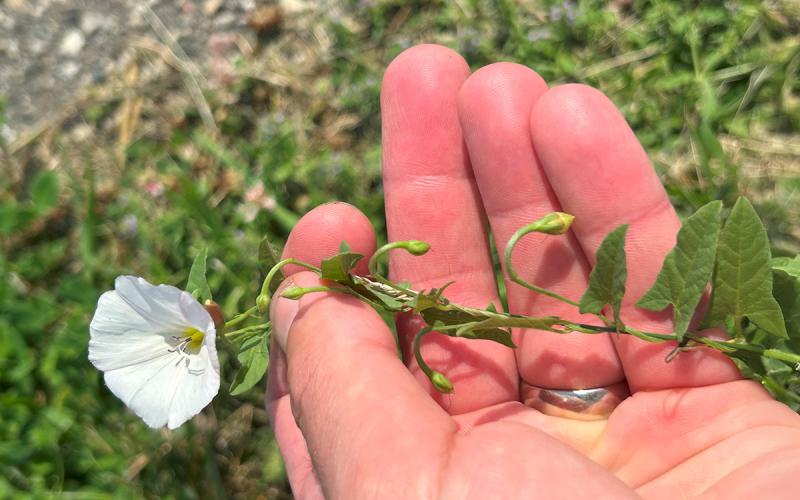
In a Bind With Field Bindweed?
It’s August and field bindweed, one of our most-persistent perennial weeds, is flowering. Although field bindweed is not statewide noxious, it’s locally noxious in Bennett, Bon Homme, Clarke, Lake, Stanley, and Yankton counties.
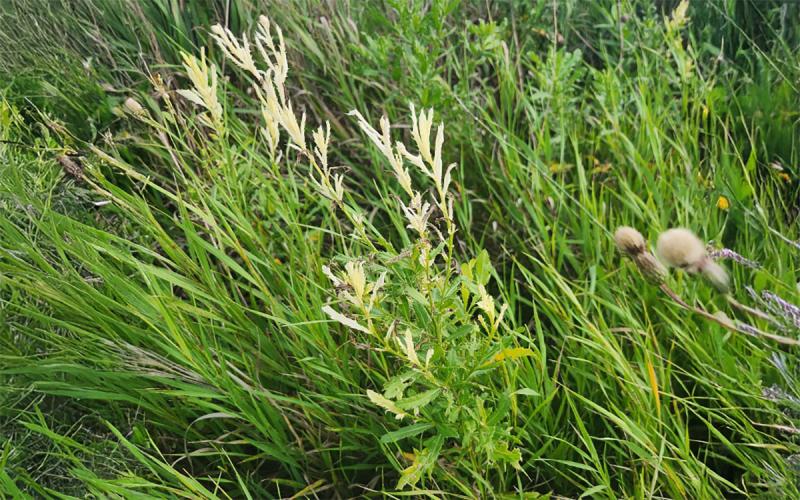
White Thistle Disease: Biological management at work
White thistle disease can be seen among many Canada thistle plants throughout South Dakota this growing season. Plants infected with the disease exhibit significant reductions in both growth and seed head compared with non-infected plants.
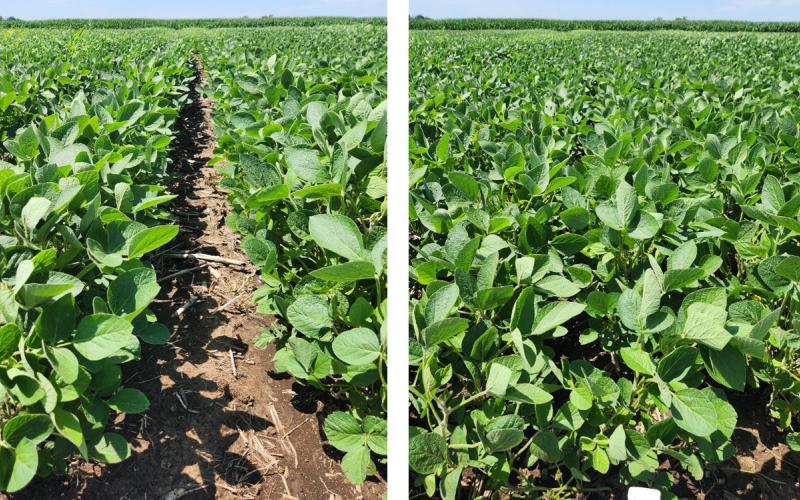
Strong, Effective Herbicide Programs Can Be Complimented With Narrow Row Spacing
While strong herbicide programs will result in effective weed management, a cultural tactic, such as row spacing can result in a complementary increase in effectiveness.
EPA Proposes a Decision to Approve Registration for Dicamba Labeling to Be Applied to Tolerant Soybean
Dicamba products previously labeled for overtop application to tolerant soybean are not registered for use during the 2025 growing season. However, the EPA has proposed to re-register these dicamba products for use in tolerant soybean starting in 2026.
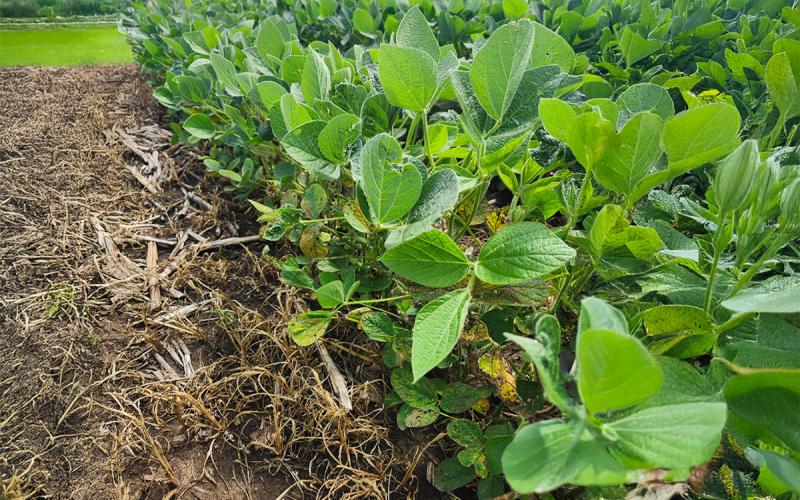
Burnt Soybeans Look a Lot Better Than Weedy Beans!
Prior to the introduction of Roundup-Ready soybean, growers were accustomed to soybeans exhibiting short-lived herbicide injury. While soybean plants may look unsightly from a PPO-inhibiting herbicide application, a more unsightly view is a soybean field full of weeds.