Garden & Yard Issues
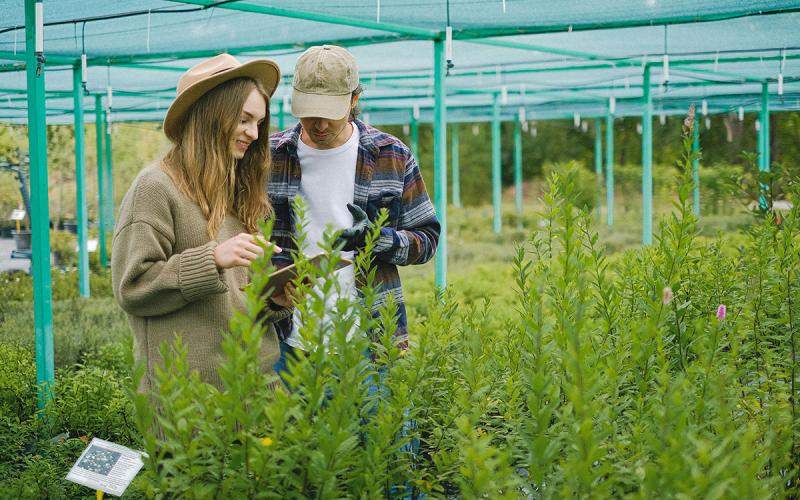
SDSU Extension adds staff to 2026 Garden Hotline
June 09, 2026
South Dakota State University Extension has added seasonal staff to serve its Garden Hotline during the 2026 growing season.
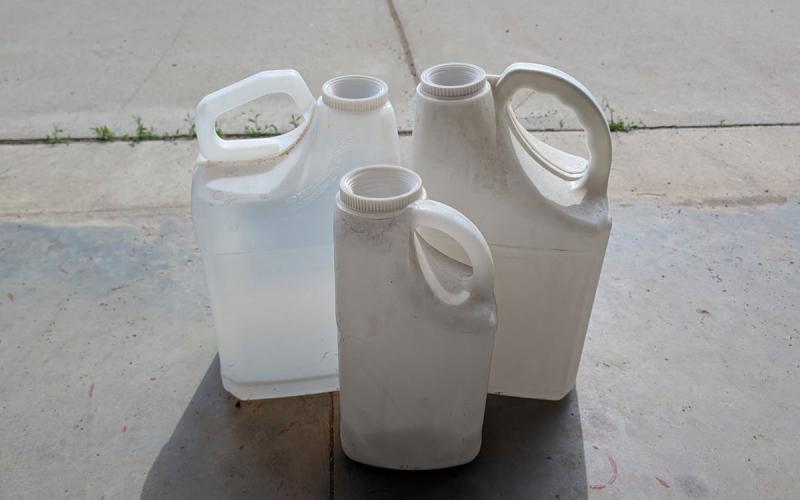
South Dakota Pesticide Container Recycling
The South Dakota Department of Agriculture and Natural Resources is again offering pesticide container recycling services across the state. View a complete list of 2026 dates and locations.

Bacterial Ring Rot: Yet another devastating disease of potato
Ring rot is primarily a disease of stored tubers and seed potatoes, where it produces black or brown lines just below the surface of the potato.
New season of SDSU Extension Garden Hour starts May 5
April 23, 2026
The latest season of Garden Hour, South Dakota State University Extension’s popular webinar series for gardeners, will start on May 5, 2026.
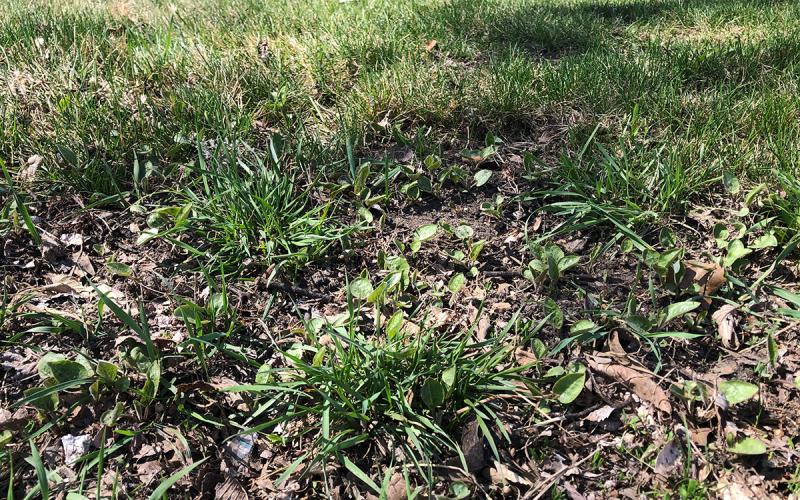
Organic Herbicides for Lawns
Organic herbicides are becoming more common on the market due to the perception that these products as safer towards humans, pets, and the environment. For those interested in these products, there are several factors to consider.
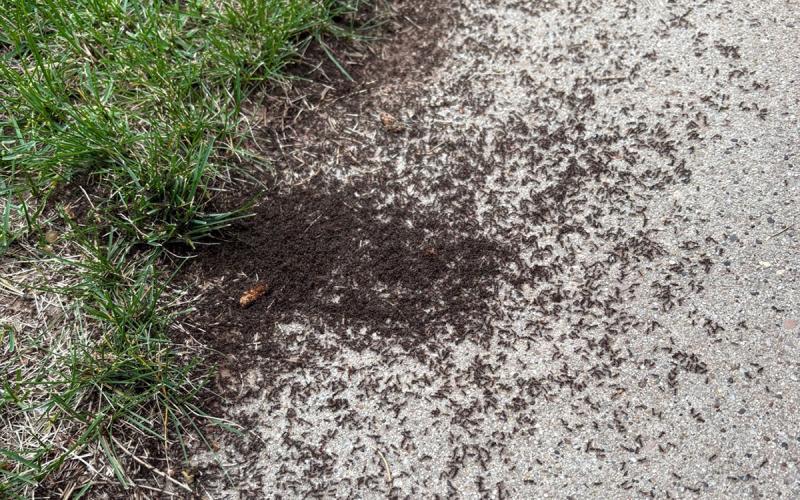
Ants Preparing for Another Busy Year
A wet growing season last year combined with a mild winter has boosted ant activity across the state, and we have already received numerous questions from both curious and concerned residents in South Dakota.

Protecting Your Home and Landscape Against Wildfires
Wildfires pose a significant risk in western South Dakota, particularly within the Black Hills region, where periods of minimal precipitation can lead to drought conditions that elevate fire risk.
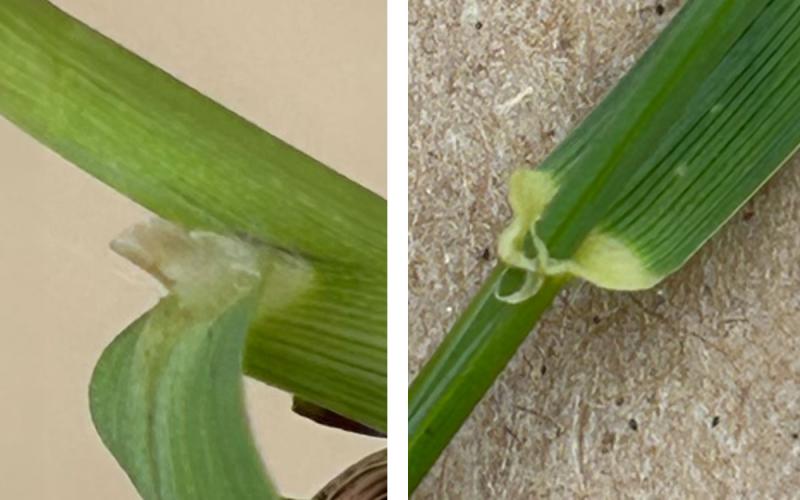
Preemergence Crabgrass Herbicide Decisions
The optimal application window for preemergence herbicides to manage crabgrass in turf is normally during April, and earlier in the month during warmer years.
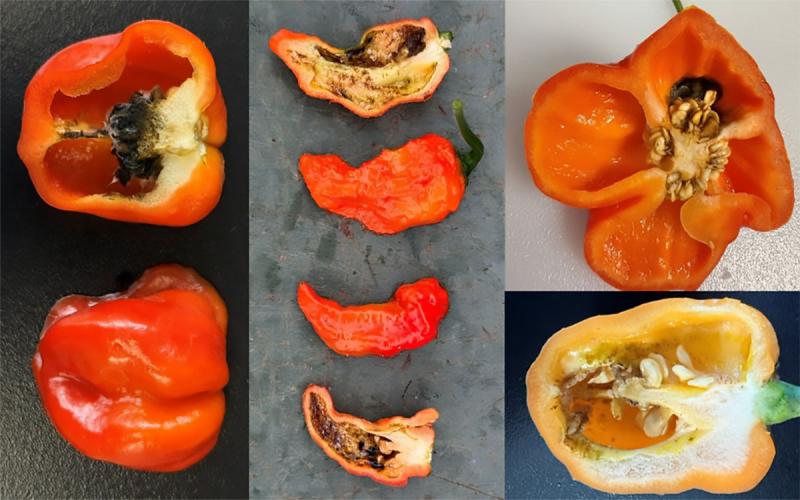
Pepper Internal Rot: Disease information and research updates
A new disease has been found in South Dakota pepper plants. While plants appear healthy and produce peppers that appear normal, many peppers will have a black mold growing inside. So, what’s going on with these plants?
Tree Issue Treatments
Commonly available in pesticides for Conifer and Broadleaf disease, disorder, insect and mite treatment options.