Garden & Yard Issues
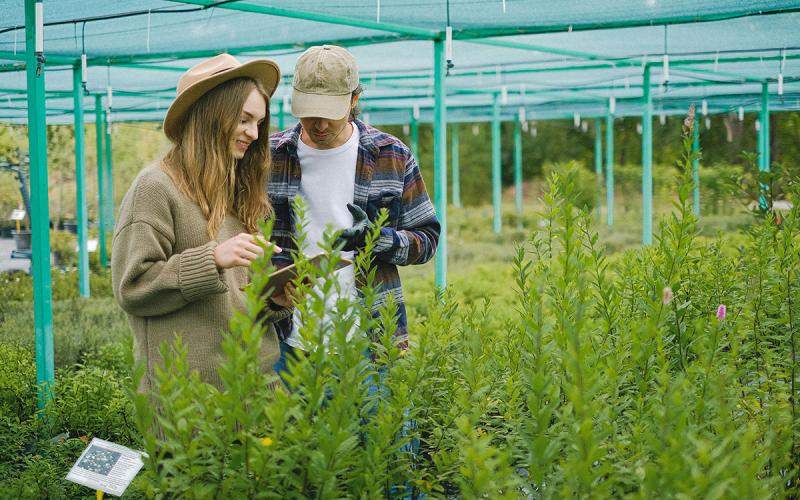
Home Horticulture Resources for Gardeners
Horticulture is the branch of plant agriculture dealing with garden crops. In addition to our website, there are many horticulture resources available on the web to provide research-based information to help every gardener succeed.
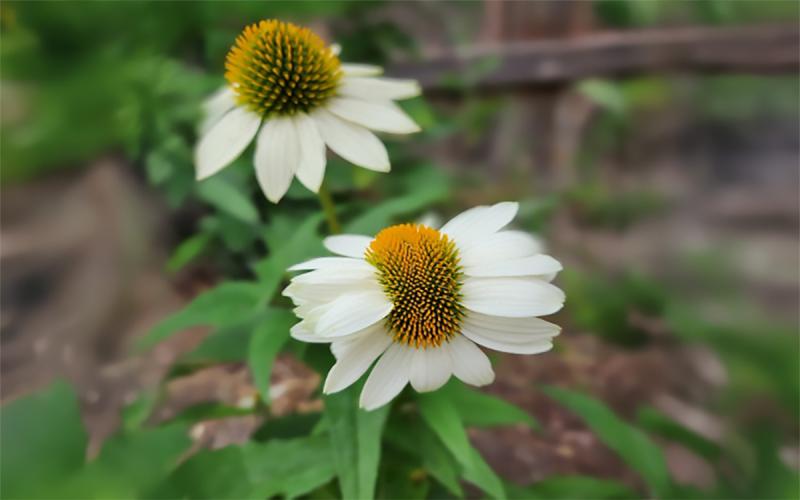
Fasciation: What’s going on with my plant?
Fasciation is a malformation of plant parts commonly manifested as enlargement, flattening or cojoining. The abnormal growth of plants can be uniquely puzzling and beautiful at the same time.
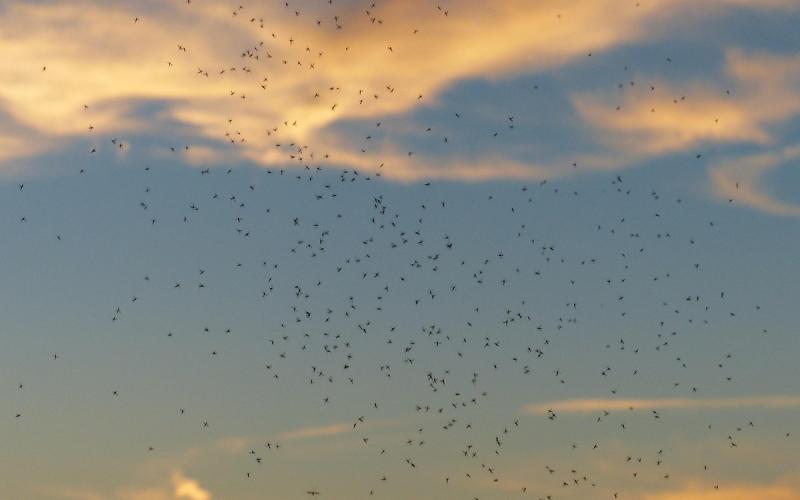
West Nile Virus Update: September 3, 2025
As of August, the South Dakota Department of Health indicated that West Nile Virus positive mosquito pools have been detected in Beadle, Brookings, Brown, Codington, Hughes, Lincoln, and Minnehaha counties.
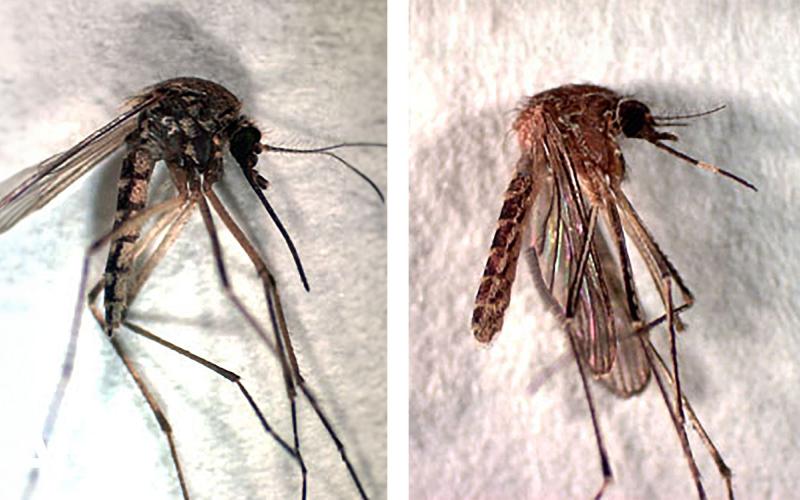
Mosquitos to Watch for in South Dakota
After many areas in South Dakota experienced heavy rainfalls, mosquitos are now a major issue. Learn which species are most common throughout the state and which carry the highest risk for West Nile Virus.
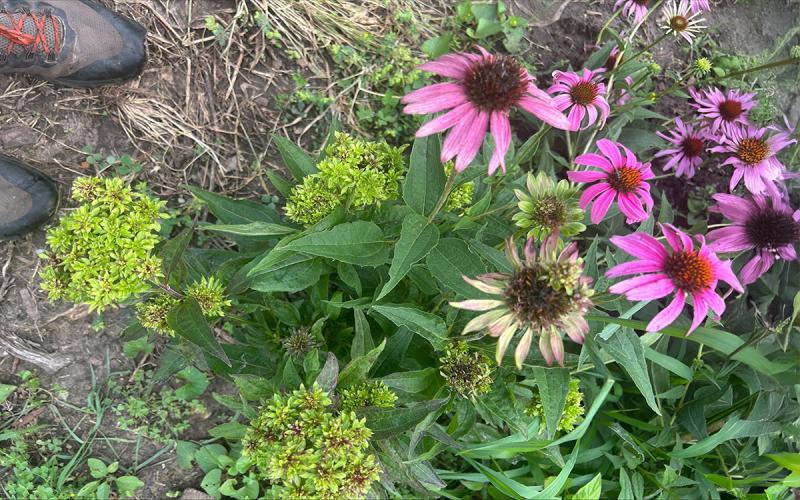
Aster Yellows Phytoplasma
Aster yellows is a phytoplasmal disease carried and introduced by aster leafhopper. It is known to infect over 80 different plant families, as the aster leafhopper has extremely broad feeding habits.
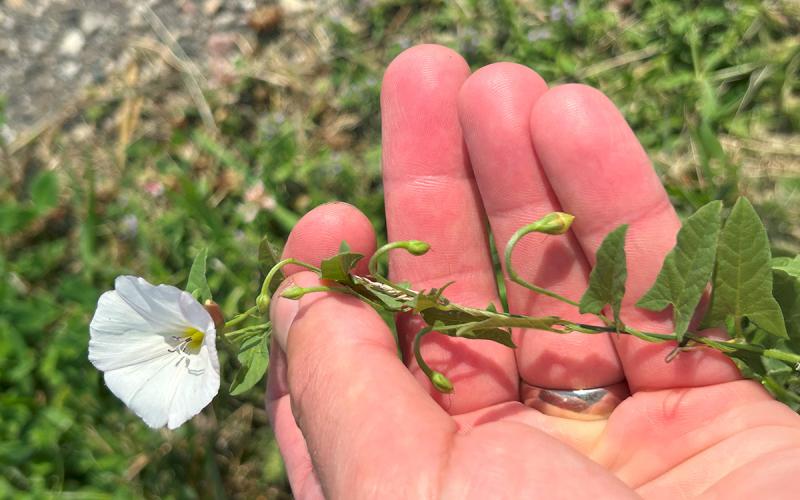
In a Bind With Field Bindweed?
It’s August and field bindweed, one of our most-persistent perennial weeds, is flowering. Although field bindweed is not statewide noxious, it’s locally noxious in Bennett, Bon Homme, Clarke, Lake, Stanley, and Yankton counties.
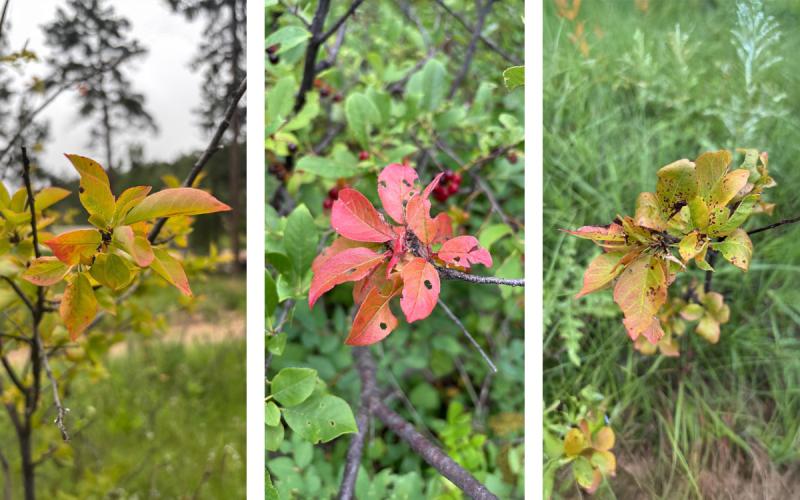
X-Disease in Chokecherries
X-disease is the name given to a set of diseases caused by a strain of the bacteria “Candidatus Phytoplasma pruni” that primarily affects stone fruits. Infected plants will typically display yellowing or reddening of their leaves by mid summer.
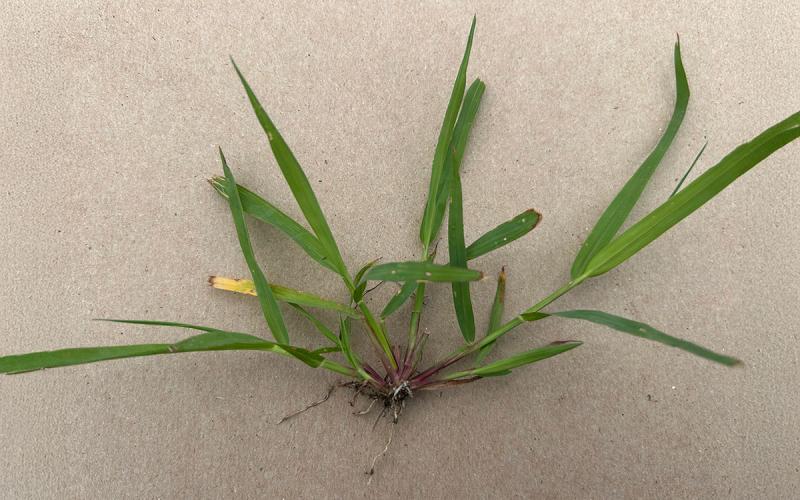
Late-Season Crabgrass Control
At the start of August, crabgrass is often prevalent in lawns. Ideally, this weed should be controlled earlier in the season, but if early management was missed, a post-emergence herbicide can help control it before it produces more seed.

Powdery Mildew Presence in Your Garden: How to identify and prevent it
Powdery mildew is a common fungal disease that targets a wide range of hosts. It is important to identify its presence as soon as possible to slow its spread and prevent irreversible damage.
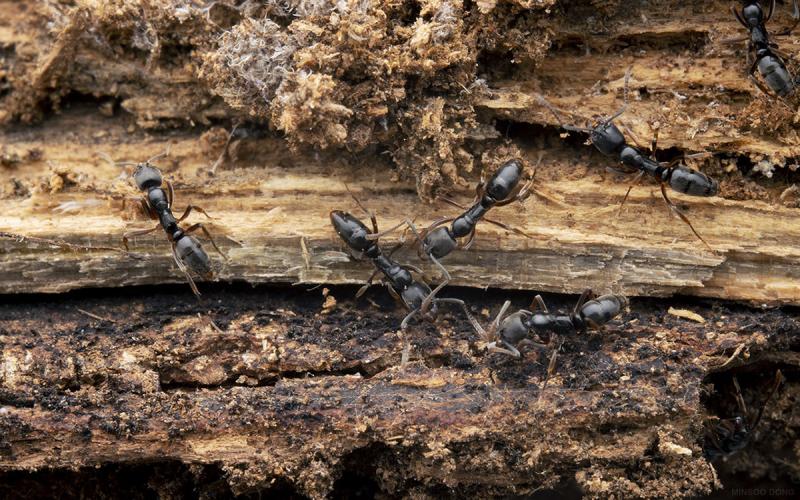
No Documented Sightings of Asian Needle Ants in South Dakota
Despite reports from major news networks citing that Asian needle ants are in South Dakota, we have no evidence that the ant is established or has ever been documented in the state.