Search
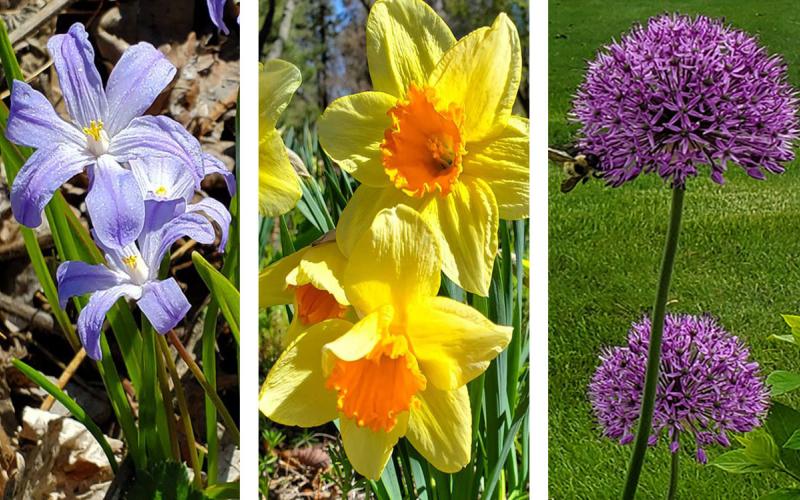
Bulbs to Plant in the Fall
Fall is the time to plant cold-hardy bulbs in South Dakota gardens. This will ensure that your landscape will have a variety of color, size, and bloom types the following season.
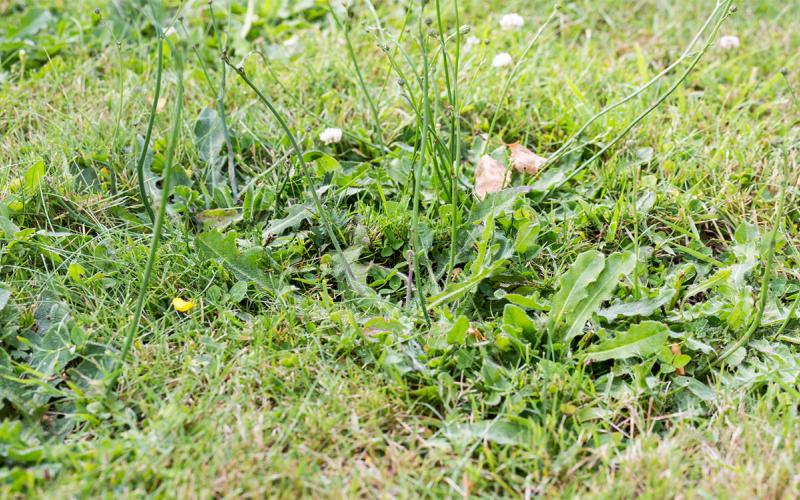
Considerations for Weed Control in Lawns
A weed-free lawn requires continuous maintenance year-round. From mowing considerations to herbicide applications, learn some expert tips for getting your lawn off to a great start this spring!

Integrating Clover Cover Crops for Pepper and Broccoli Production
South Dakota gardeners and specialty crop producers have expressed a need for cover crop research. Learn about a recent research project investigating clover cover crop integration for pepper and broccoli production.

What is This Fruit… And is it Edible?
In mid- to late-summer, we often get the questions: “What kind of fruit is this?” and “Is it edible?” To identify a fruit, it is helpful to know both plant and fruit characteristics: Woody or herbaceous plant? Vining or upright? Do the leaves attach to the stem opposite each other (i.e., paired), or do they alternate from one side of the stem to the other? What size and color are the fruit? Is each fruit’s stem attached directly to the twig, or are they in a cluster that attaches to the twig? And, one question I find often helpful in distinguishing among smaller fruits, does it have a single pit, or are there several seed in each fruit?
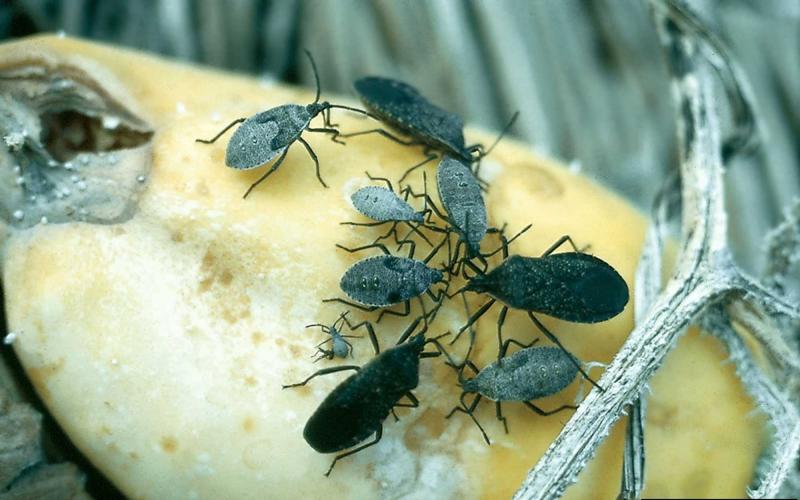
Squash Bugs Are Active and Ready to Kill Your Plants
Squash bugs are a headache for gardeners almost every year in South Dakota. As their name implies, squash bugs feed on squash along with many other cucurbits. Injury caused by extensive feeding appears as wilting and may result in the death of infested plants.
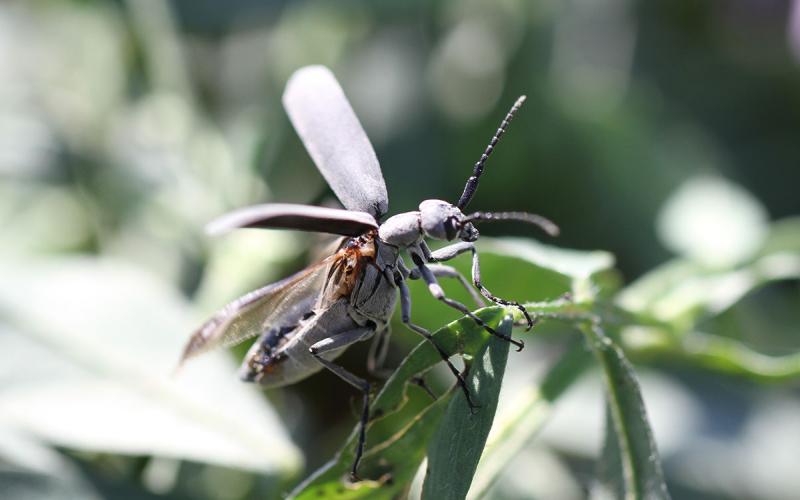
Blister Beetles Are Active in South Dakota
A common pest of alfalfa, blister beetles pose serious health risks to livestock if their bodies are consumed along with alfalfa bales. Learn some important considerations for identifying and managing blister beetles before harvesting alfalfa this growing season.
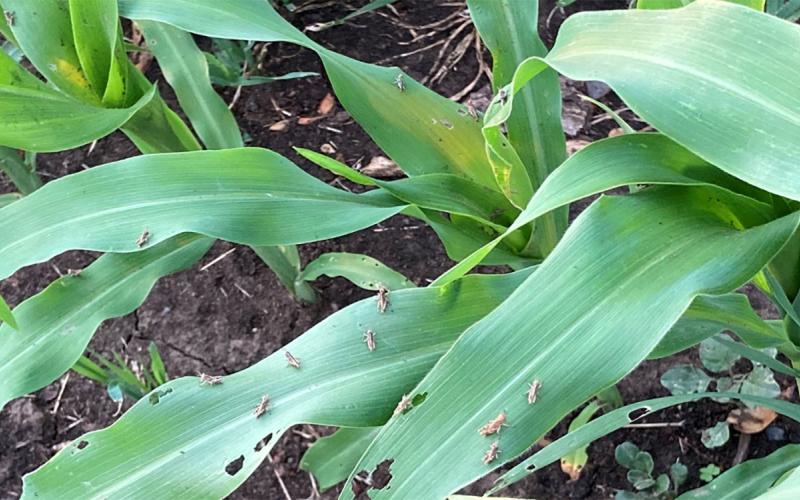
Monitor Crops for Grasshopper Activity
Abundant precipitation throughout much of South Dakota has resulted in less grasshopper observations. However, in areas where grasshoppers were an issue in 2023, they are starting to show up again.
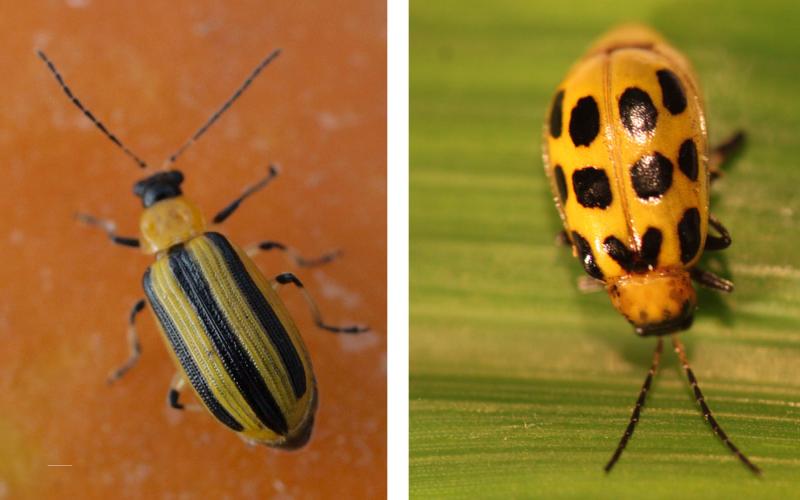
Striped Cucumber Beetles Are Active in South Dakota
South Dakota is home to two species of cucumber beetles that can cause severe injury to cucurbits, including squash, cucumbers, melons and pumpkins. Learn how to detect and manage both beetles before they impact your harvest.
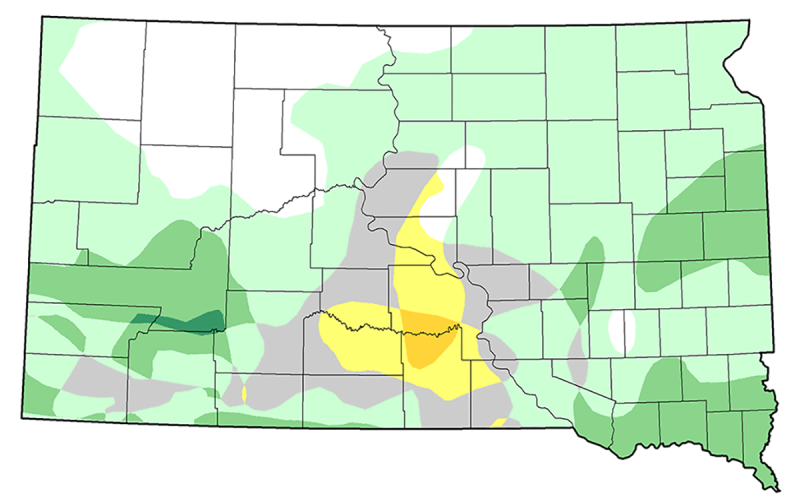
Summer 2025 Climate Review and September Outlook
A record wet August in several locations marked the end of South Dakota’s meteorological summer. One challenge coming this fall will be determining how quickly field and crop conditions dry down to allow harvest activities to progress.
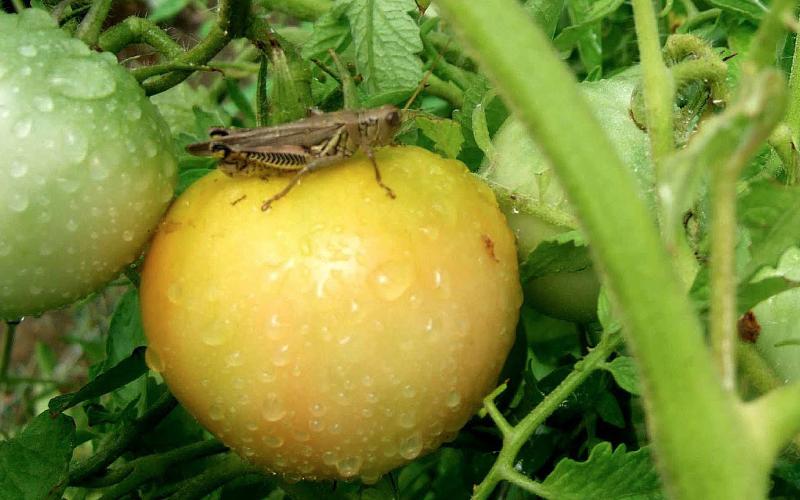
Protecting Tomatoes From Grasshoppers in the Garden
During dry summers, it's no surprise when grasshoppers start causing issues in gardens. Learn about some common grasshoppers that feed on tomato plants along with some ways to manage populations.