Search
![A green tractor planting seeds in a no-till field. Courtesy: United Soybean Board [CC BY 2.0] via Flickr](/sites/default/files/styles/teaser_800x500/public/2019-10/W-00433-00-no-till-planting-soybeans-field.jpg?h=b2774bcf&itok=4KjGmXKP)
Farm Practices That Improve Soil Health: Crop Rotations and No-Till
Implementing crop rotations and no-till practices are common suggestions to reduce erosion, control pests, and improve yields. These practices can also improve soil health through an increase in soil carbon levels.
Utilizing Cover Crops for Grazing: An Assessment on Economic Benefits
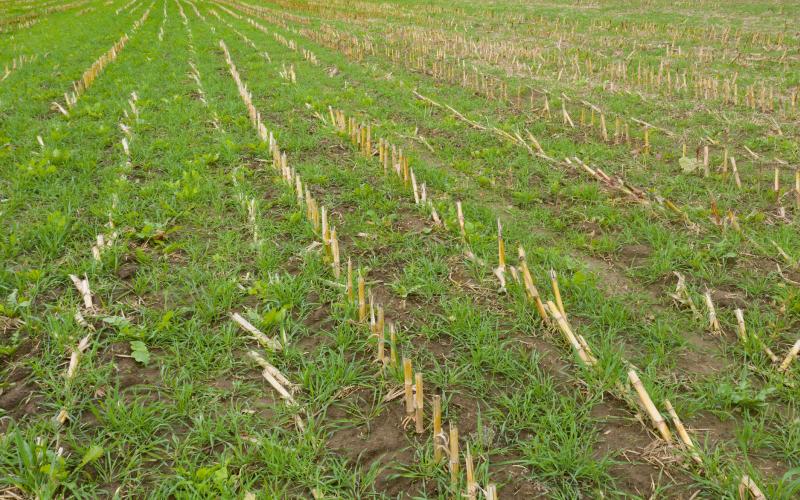
Grazing cover crops by cattle provides an option to offset cover crop seed costs and increase farm revenue. To facilitate farmers’ decision making, this article will evaluate the economic profitability from grazing cattle on cover crops using a partial budgeting approach.
Flooding and Sump Pumps
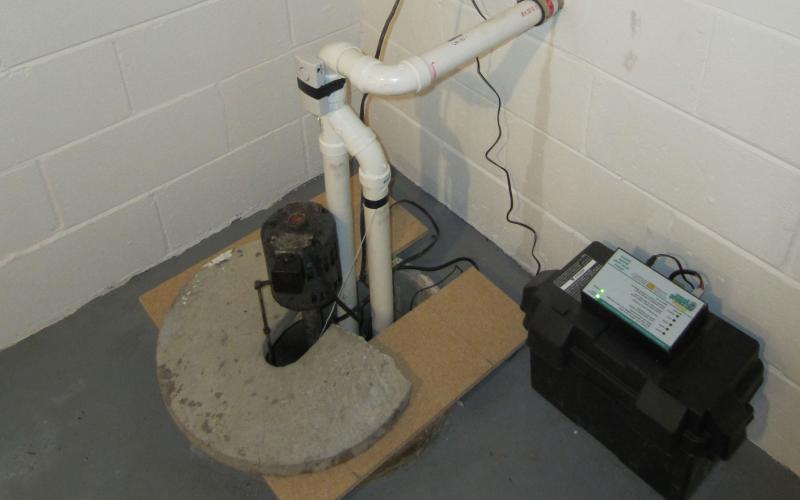
For many homes with a basement or crawl space, a sump pump and drainage system can help reduce the risk of a basement flooding from high water table situations. Here are a few tips for making sure your sump pump is working as it should, and you are not causing problems for your neighbors downstream.

SDSU Extension Continues Outreach Efforts During COVID-19 Pandemic
April 03, 2020
While offices throughout the state are closed, SDSU Extension experts remain available remotely and encourage the public to reach out to them via email or by phone.
SDSU Extension Receives National Fish and Wildlife Foundation Award for South Dakota Native Habitats Study
December 21, 2020
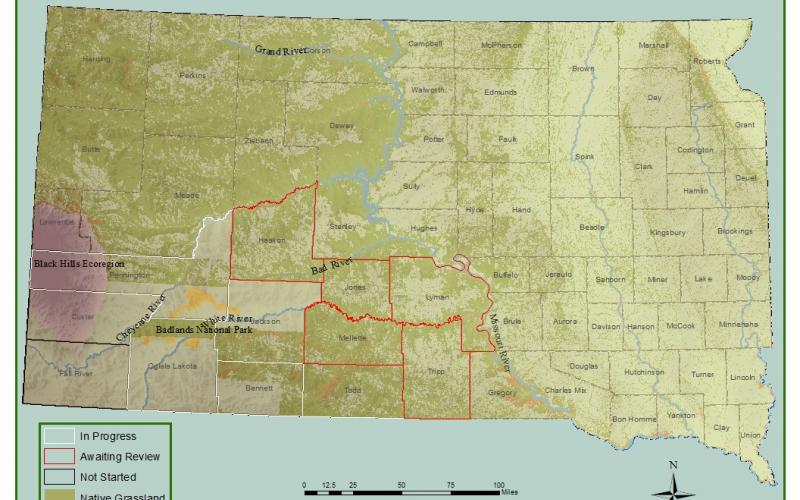
An SDSU Extension native habitats research project recently received a National Fish and Wildlife Foundation award to support an ongoing effort to identify native habitats in South Dakota.
May 2020 Climate Outlook
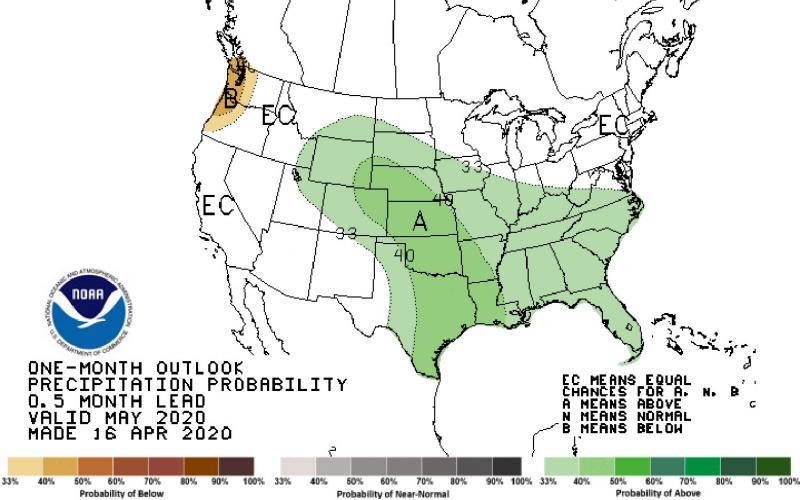
On April 16, NOAA’s Climate Prediction Center released their climate outlook for May and the coming three-month period of May through July. There is a lot of uncertainty in the temperature outlook for the next one-to-three months in the Northern Plains Region.
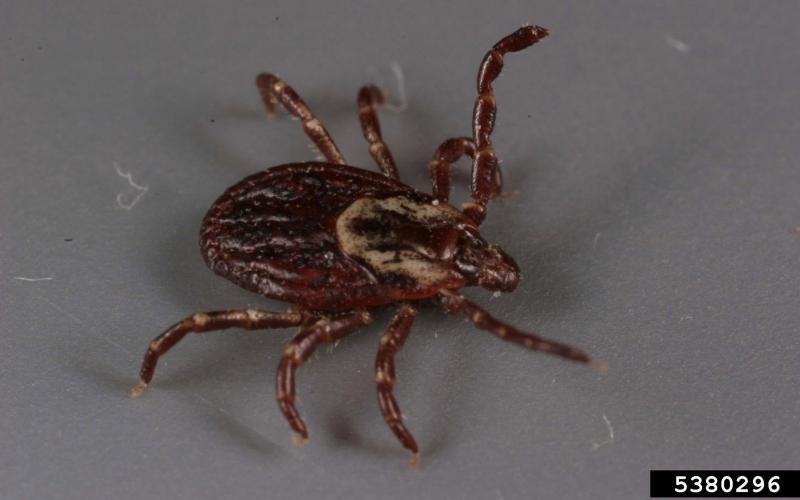
Ticks Becoming Active in South Dakota
The arrival of spring in South Dakota means warmer weather and more outdoor activities. However, it also brings an increase in tick activity.
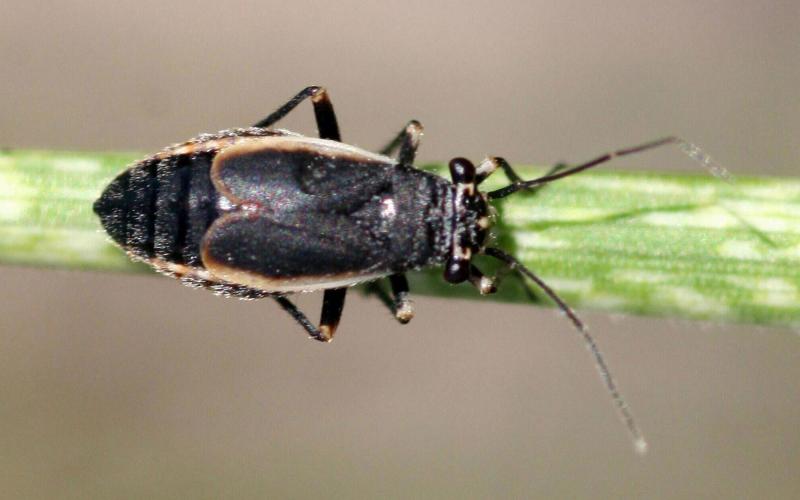
Black Grass Bug Activity Expected in Coming Weeks
Spring green-up is the time to be watching for black grass bug activity. Large populations of this early-season pest can cause severe damage to pasture (up to 90% forage reduction) and infest the edges of wheat fields.
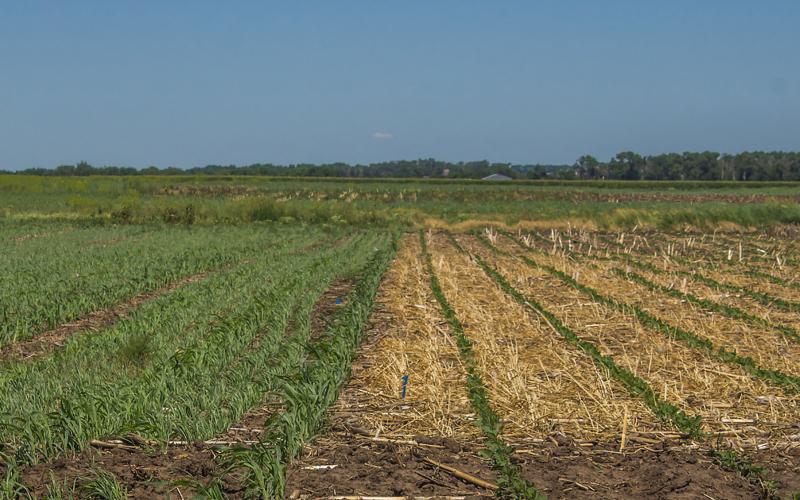
Crop Residue, Cover Crops Impact on Soil Health Parameters
Interest in no-till and cover crops has been on the rise among South Dakota crop producers. In 2019, half of South Dakota crop ground was under no-till management and about 900,000 acres were planted to cover crops.
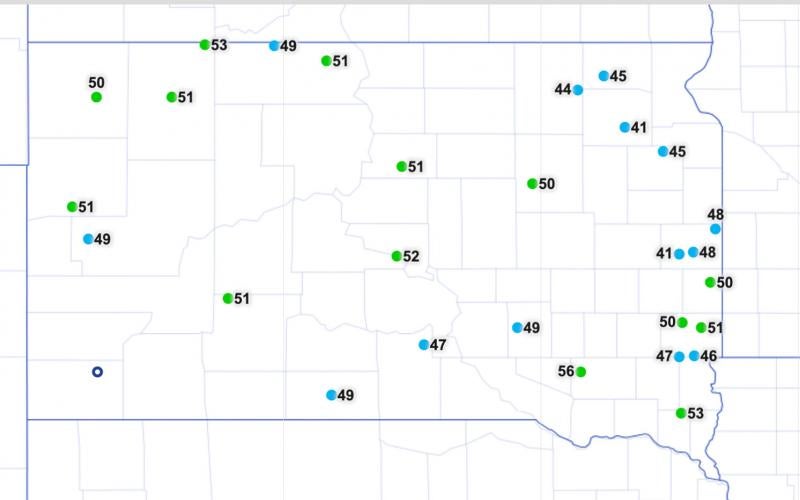
Soil Temperature for Planting Spring Crops
Soil temperature is an important consideration for deciding when to begin planting spring crops. If producers in South Dakota would like a quick reference for soil temperatures in their area, the SD Mesonet network measures soil temperature at several weather stations throughout the state.