Search
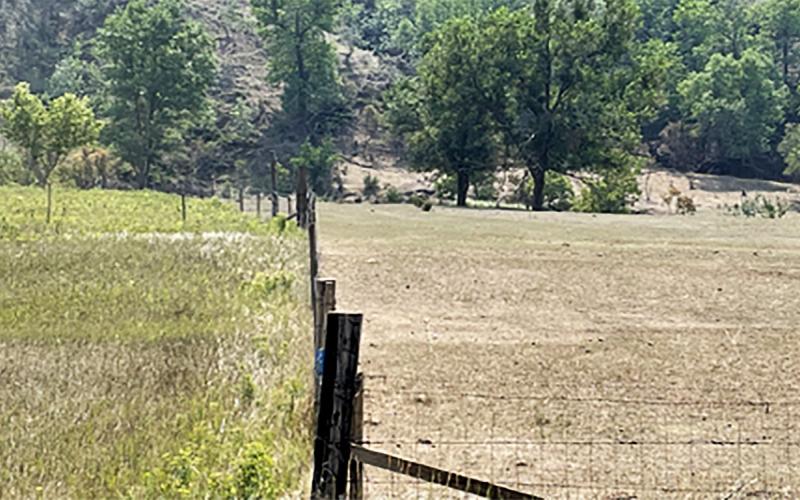
The Lasting Effects of Overgrazing on Rangeland Ecosystems
Overgrazing can cause various detrimental effects on rangeland ecosystems. Most of the effects are seen in the short term, but some are unseen and can be lasting.

Farm to (More Than) School
Opportunities for local food procurement go beyond just school lunch! Learn about several child nutrition programs and settings that may accept local foods.
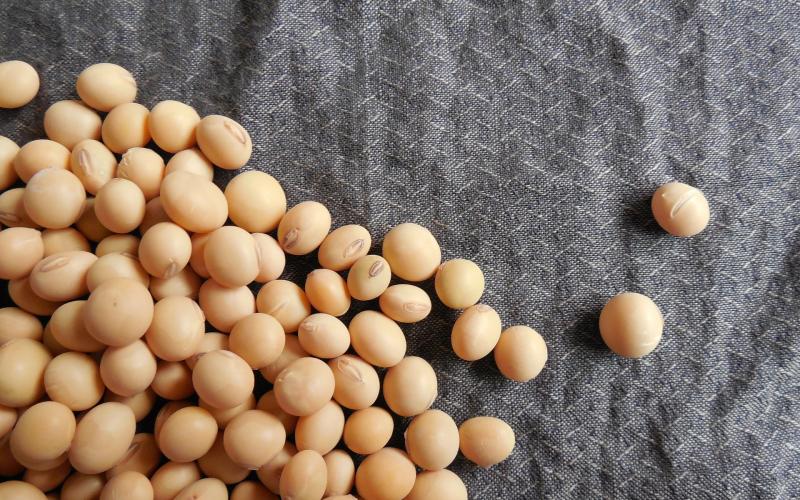
Want a Premium Price? Weed Control In NON-GMO Soybeans
Many emotions set in on farmers that hear the word “non-GMO”, but it could help them in times like today when prices are low for many farm products in South Dakota.
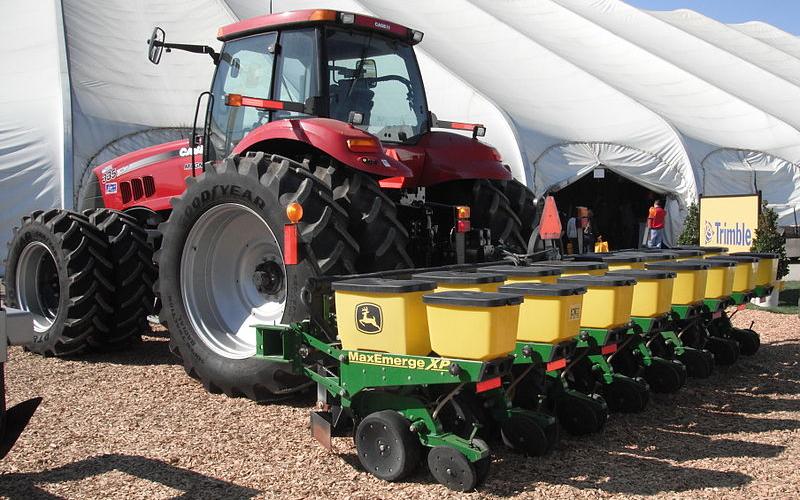
Why Precision Agriculture?
When precision agriculture comes into a conversation a few questions arise. Three of those questions might be: What is precision agriculture? How does precision agriculture make our farm more profitable? What do I do with all this data?
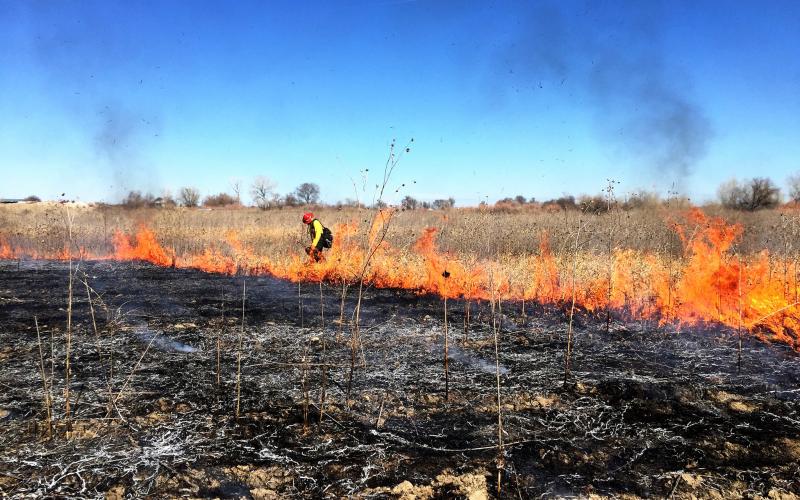
SDSU Extension to Offer Landowner Prescribed Fire Workshops
April 26, 2022
SDSU Extension, in partnership with the South Dakota Grassland Coalition, the Natural Resources Conservation Service, and others will host a prescribed fire workshop tailored to private landowners June 2-3 at the SDSU Oak Lake Field Station in Astoria.
South Dakota Natural Resource Professionals Range Camp Registration Now Open
April 26, 2022
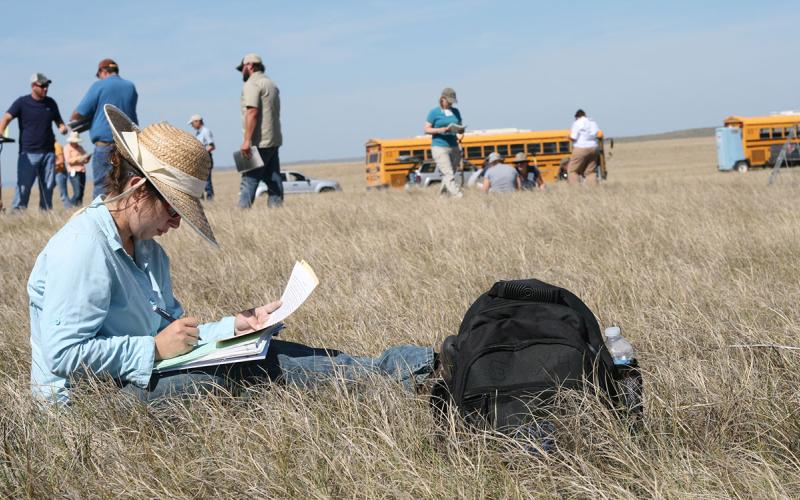
SDSU Extension, in partnership with the U.S. Forest Service, the Bureau of Land Management and the Natural Resource Conservation Service, is hosting a three-day range camp June 28-30 in Belle Fourche, South Dakota.
Five Range Management Principles: #2 Creating a Grazing Plan
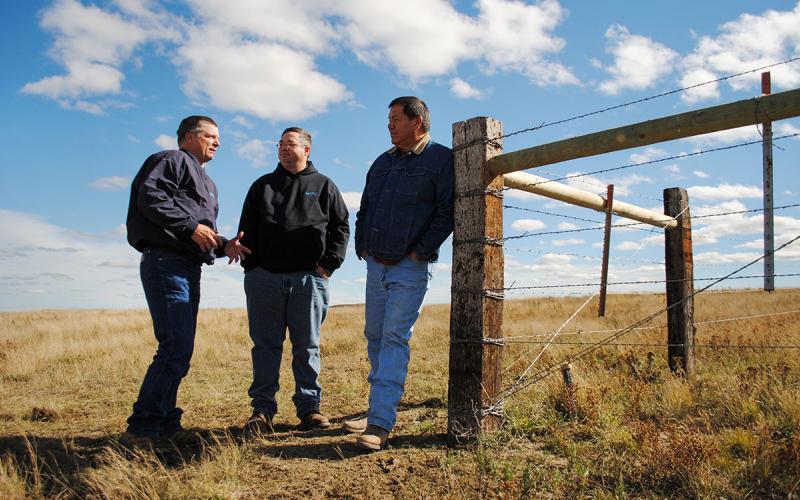
Creating a grazing management plan can be overwhelming. Learn the basic steps for outlining a plan, along with several resources to help identify the right strategy for your operation.

South Dakota Grasshopper Prediction for 2022
Data from the 2021 USDA Adult Grasshopper Survey of South Dakota suggests that grasshopper populations may continue to be problem in parts of central and western South Dakota during the spring of 2022.
Black Grass Bugs May Cause Issues if Drought Persists
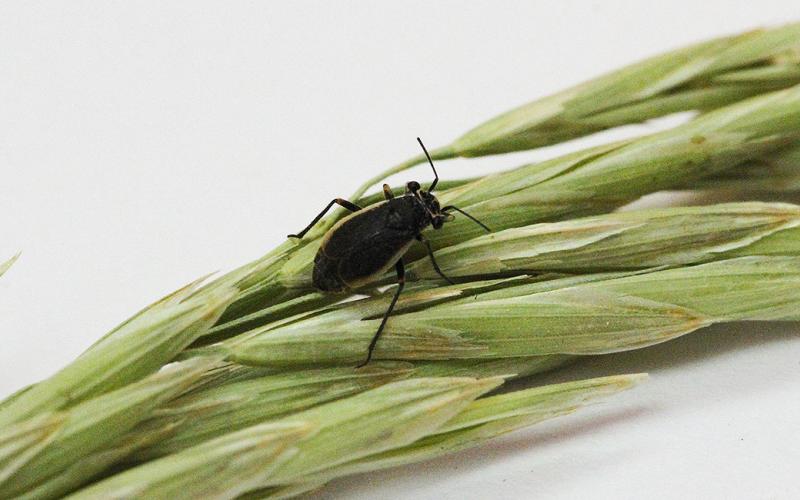
In western South Dakota, black grass bugs are a common spring forage pest that can cause considerable damage during periods of drought. Learn how to monitor and manage this pest to protect your forages this spring.
SDSU Extension to Host Drought Management Meetings
April 29, 2022
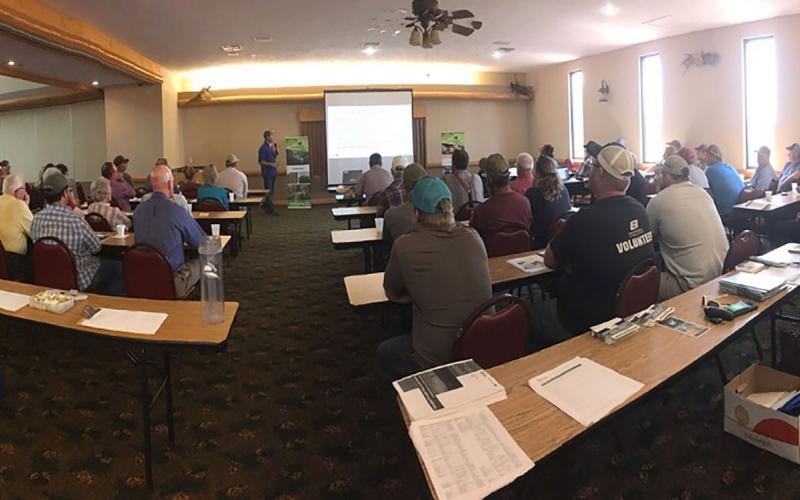
SDSU Extension will host drought management meetings across South Dakota May 10-12.