Search

4-H Videography Project
In this project area, youth can learn to use the video setting on a camera, plan scenes and transitions for a video, develop skills in capturing quality video, and edit clips to make a complete video.
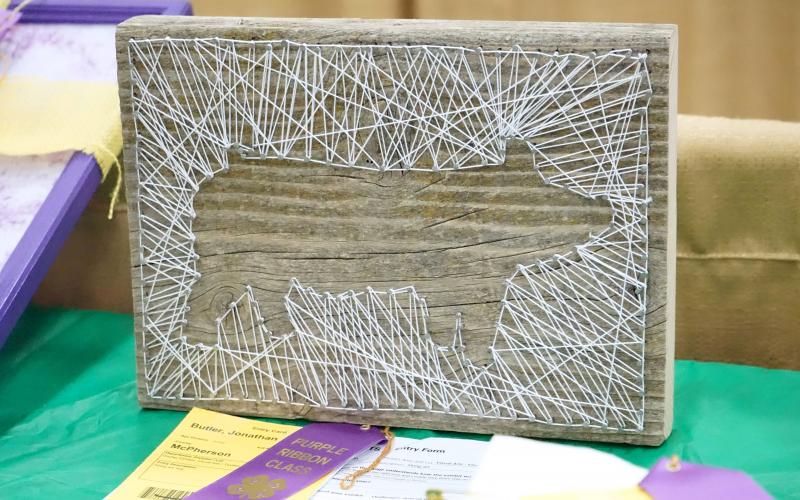
4-H Visual Arts Project
Are you creative? Love to make things? Like to explore new types of media and design? Then visual arts may be the project area for you!
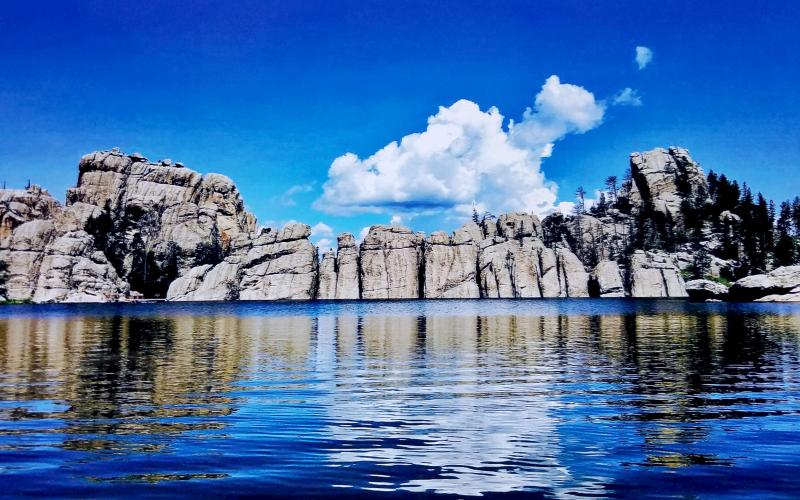
4-H Water & Water Conservation Project
Water is essential to support life on Earth. Conservation is an important practice that ensures we have enough water, and preserving water quality keeps our water supply clean and free of pollution. Why is water important to you?
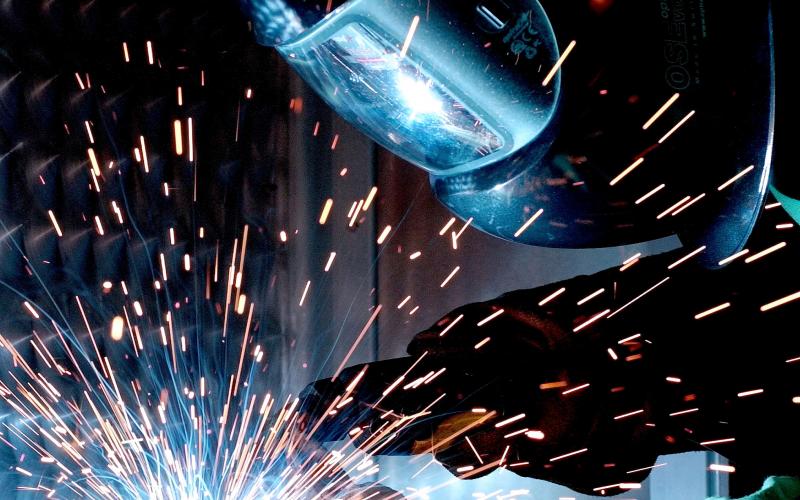
4-H Welding Project
Learn how to safely and creatively join metal together by welding. Use your skills to make your own art, tools, and equipment! We use welded products every day, take some time to learn the methods behind different types of welding and learn how to use them yourself!
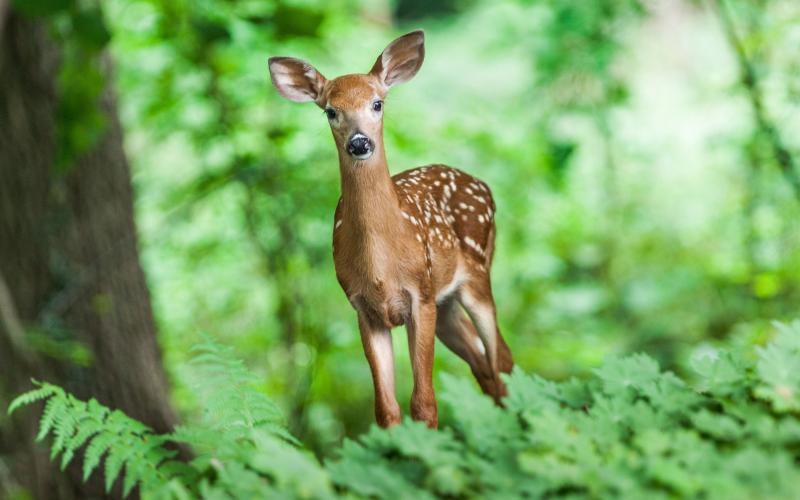
4-H Wildlife & Fisheries Project
In the wildlife and fisheries 4-H project area, youth can discover the ecosystems and animal species around them and gain expertise with fishing. Discover concepts in biology and use that knowledge to conserve wildlife habitats and natural ecosystems or catch and interest in fishing.

4-H Wood Science Project
Woodworking is a valuable skill for a hobby, household repairs, or even a career. Learn about types of wood, uses for various kinds of wood, how to make connections and joints, safety tips, common tools and project ideas from the very simple to impressive!

4-H Workforce Preparation (Career Exploration) Project
Let’s go to work! Explore careers and connect with business leaders in your community through Workforce Preparation. Build valuable skills, such as resume writing, that will assist you in obtaining a job.

4-H Public Speaking/Writing Project
Are you excited at the opportunity to write and share your thoughts with others? If so, the 4-H public speaking and writing project can help you learn to express yourself in a variety of ways, from speeches to written communication on topics that you love and are excited about! Let’s get started!
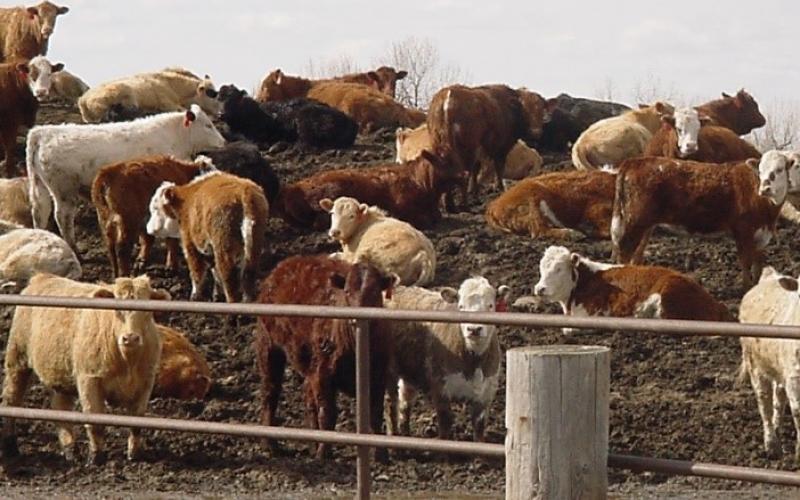
Mud and Lameness in Beef Cattle
Melting snow and spring rains produce conditions that can increase lameness in beef cattle. Mud is among the predisposing causes for cattle lameness.
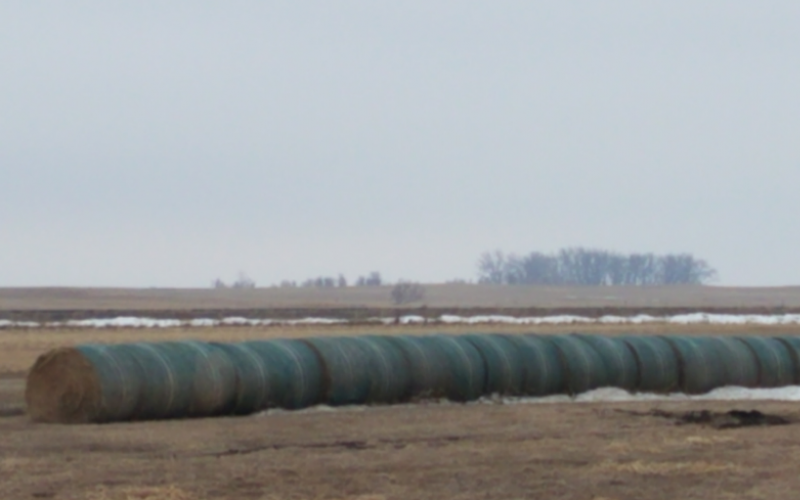
Resources and Options When Feed is Short
SDSU Extension offers resources to help producers find and evaluate feedstuffs to help meet their livestock’s needs.