Natural Resources
All Natural Resources Content
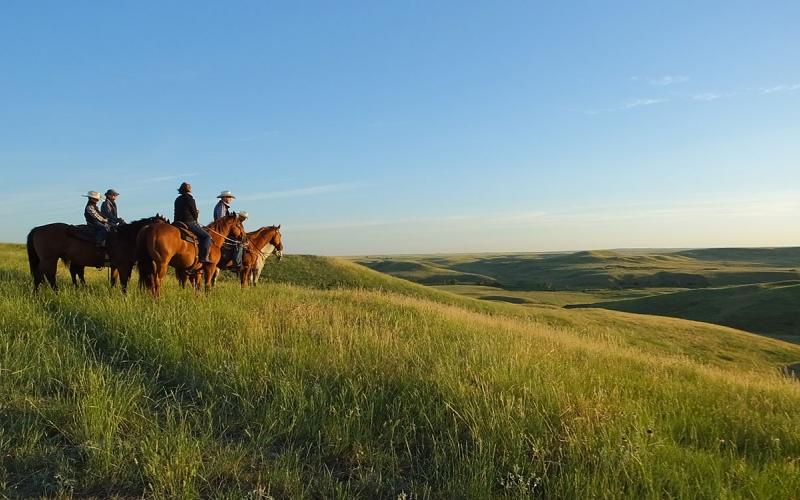
Managing and Protecting Grasslands for the Future
Grasslands are a valuable resource for South Dakota, and many of our core industries rely on the perpetuation of healthy grasslands for agriculture, recreation and tourism. Regardless of goals and objectives, many grassland landowners desire assistance with short and long-term grassland management goals.
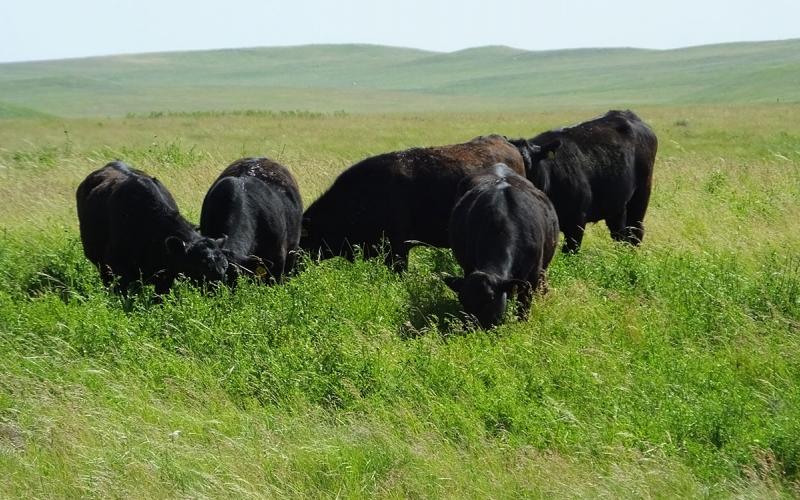
Estimating Livestock Consumption
When planning a grazing strategy, it is important to carefully assess goals and objectives and then match those goals and objectives with the appropriate livestock. It is critical that the manager understand that not all livestock are created equal.
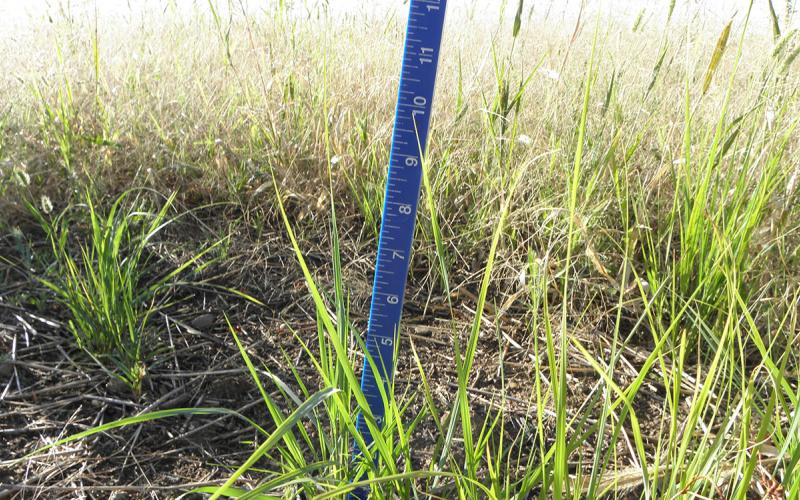
Measuring Grassland Production
Assessing pasture forage production is a key step in planning harvest strategies and can also inform the manager on the status of wildlife habitat or other grassland values.
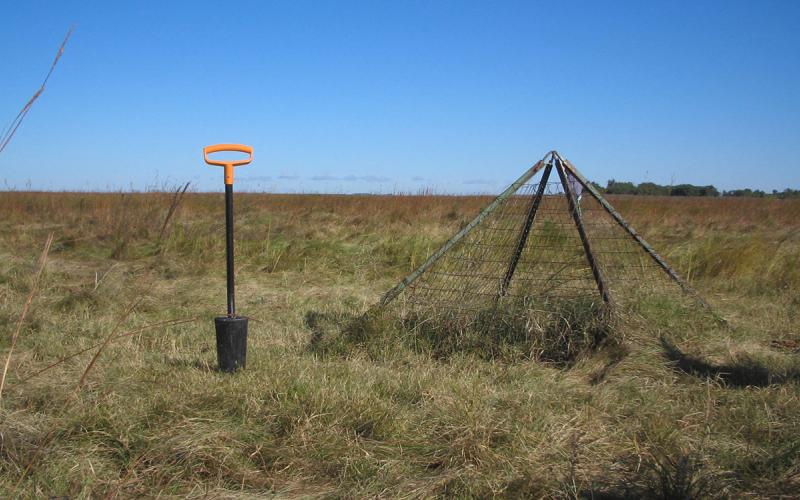
Monitoring Success
While periodic monitoring is necessary for continued success, a thorough evaluation in the first few months will tell you a lot about grazing levels, benefits to livestock and livestock-to-acre ratio.
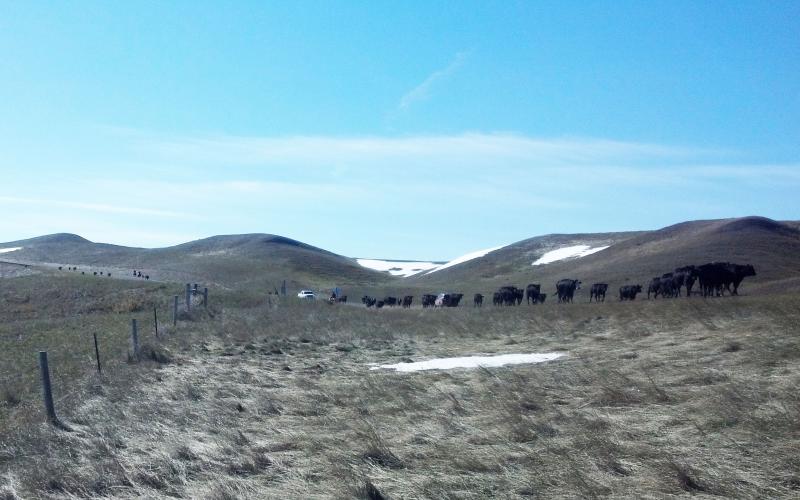
Winter Grazing
The predominant factor in winter grazing is ensuring adequate forage availability while considering long-term range health. When managed correctly, grazing winter range can be a viable option for controlling feed costs without negatively impacting rangelands.
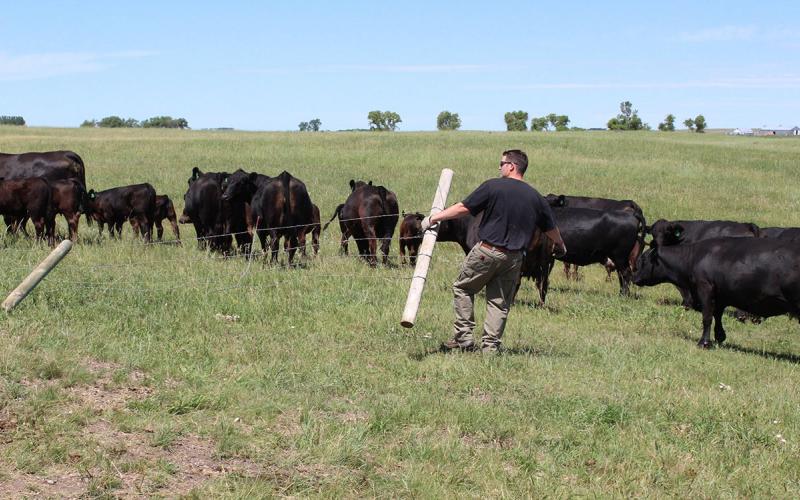
Grazing Contracting
For those who own grasslands not typically grazed, or for those looking for a better contract basis, there are several grazing contract options that can be explored.
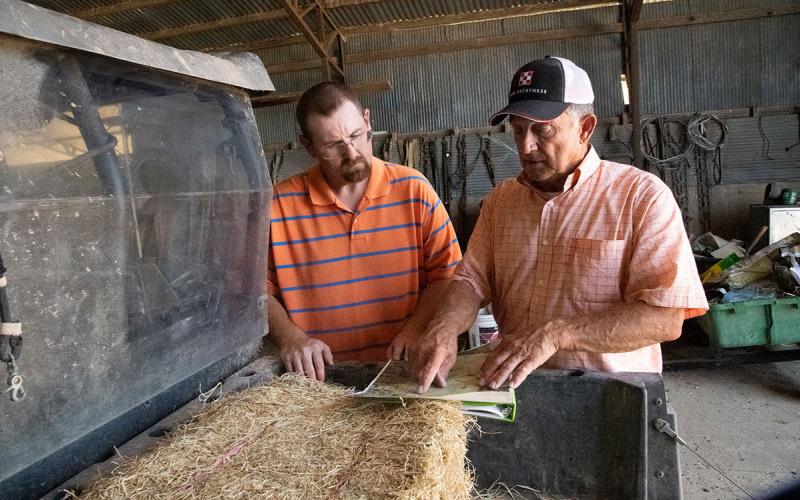
Hay Harvest Contracting
For those landowners who typically lease or harvest grasslands for hay, contracting for services is a learned business that can have local variations in how the grass and associated services are valued.
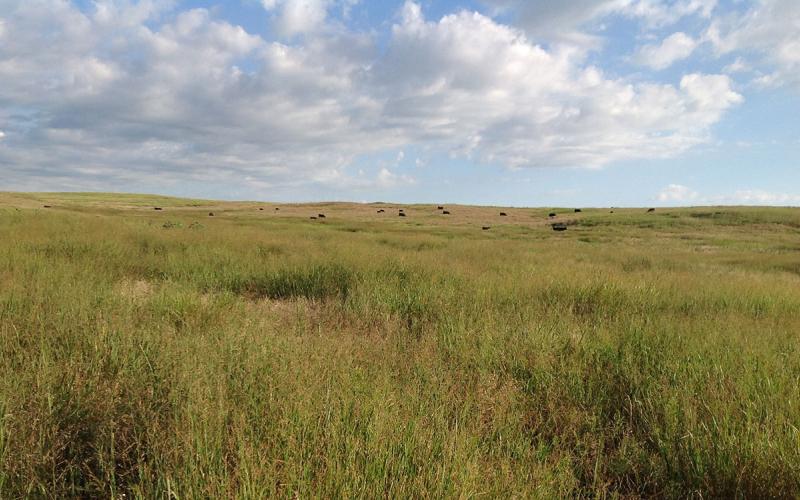
When To Graze and How Much To Graze
While every grazing management system is unique, there are a few similarities between systems when determining when to graze. Learn some of the factors to consider to avoid overgrazing.
Designing a Grazing Program
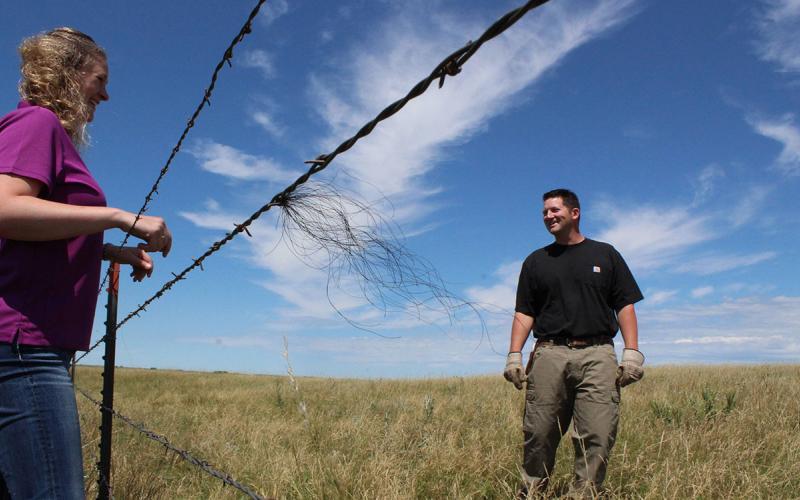
The development of a successful grazing management program begins with a mental inventory and an observation of what is happening that you would like to change. Next, consider what you are willing to do to make that change.
Grazing Systems
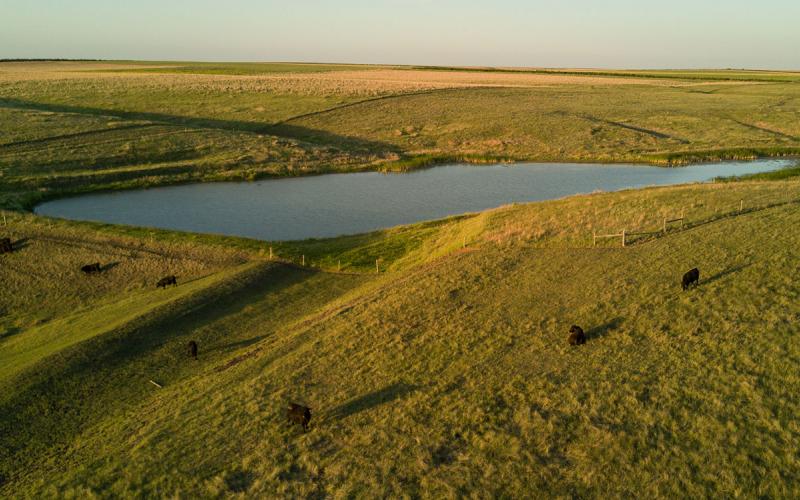
According to rangeland and pasture specialists, there are four basic types of grazing systems, including: continuous grazing, deferred rotational grazing, rest rotational grazing and management-intensive grazing.