Natural Resources
All Natural Resources Content
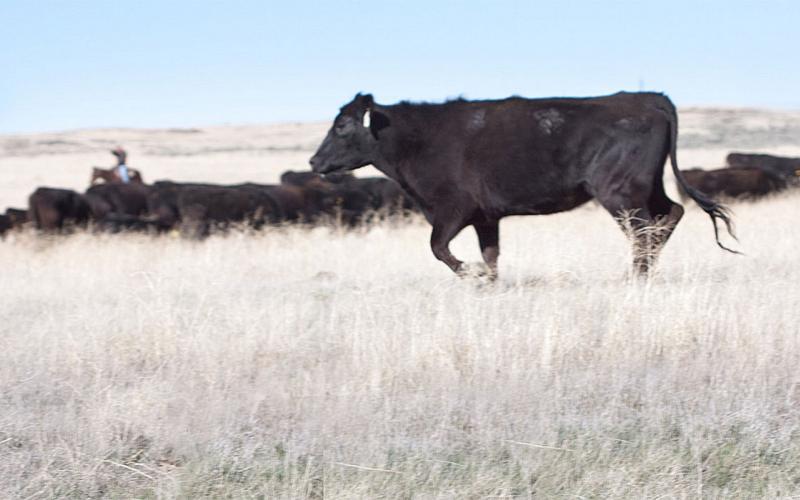
Trigger Dates: Critical Decisions for Drought Management
Having a drought plan in place ensures that you can overcome the inhibitions surrounding a drought response, the basis of which is figuring out trigger dates.
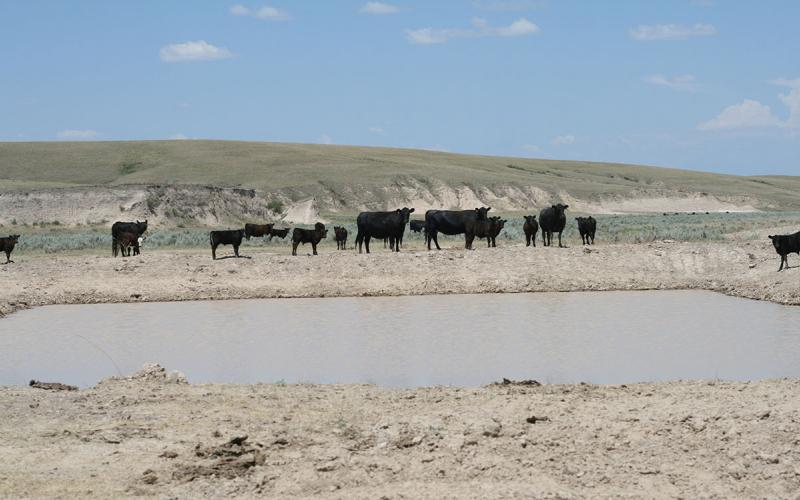
Drought Planning
A drought plan will be an essential component to your overall grazing plan, as it provides guidance in making decisions during critical times when forage may be lacking.
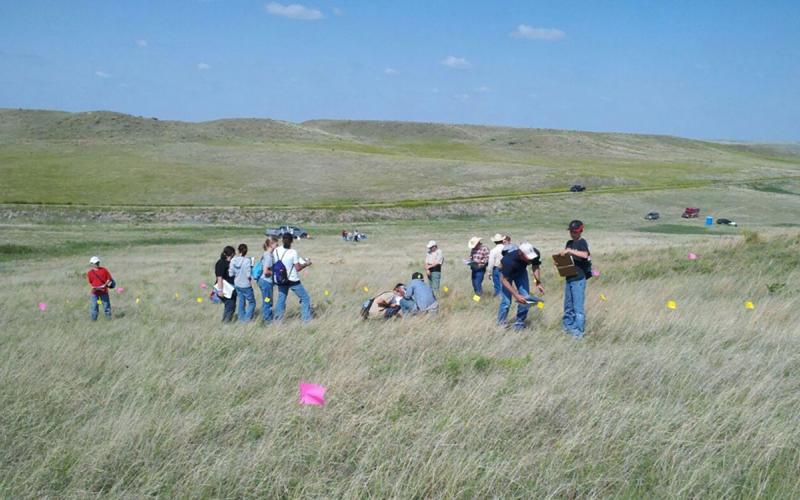
38th Annual Rangeland and 17th Annual Soils Days Set for June 14 and 15 in Murdo
March 28, 2022
Rangeland and Soils Days offer a unique opportunity for youth and adults alike to learn more about South Dakota’s natural resources.
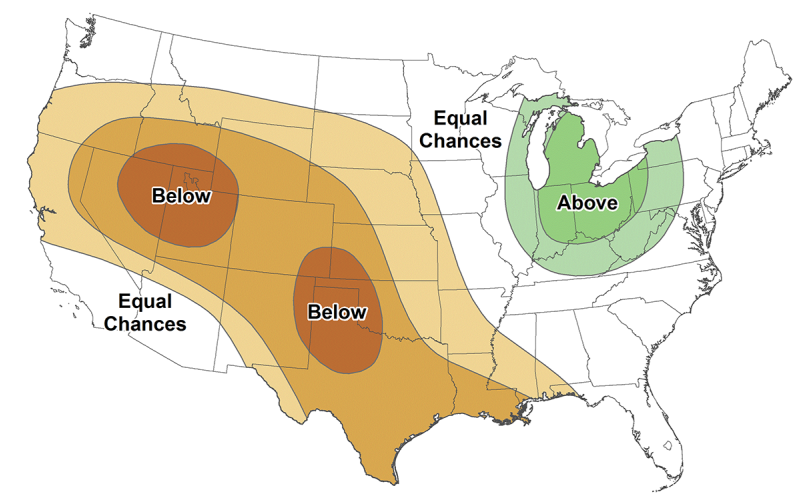
Drought Concerns Continue With 2022 Spring Climate Outlook
March 23, 2022
The climate outlook for spring 2022 has increased concern for drought in South Dakota, with the March 17 U.S. Drought Monitor showing two-thirds of the state in either moderate or severe drought.
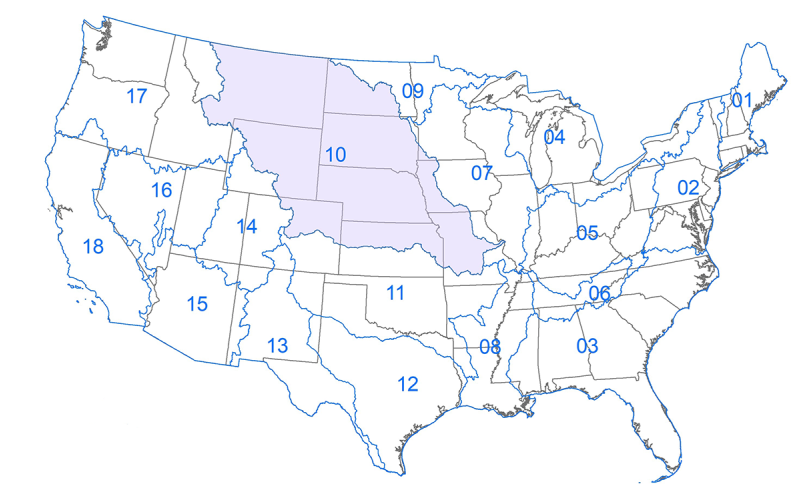
What is a Hydrologic Unit Code (HUC)?
HUC is the acronym for Hydrologic Unit Code. It is a hierarchical land area classification system that is based on surface hydrologic features in a standard, uniform geographical framework.
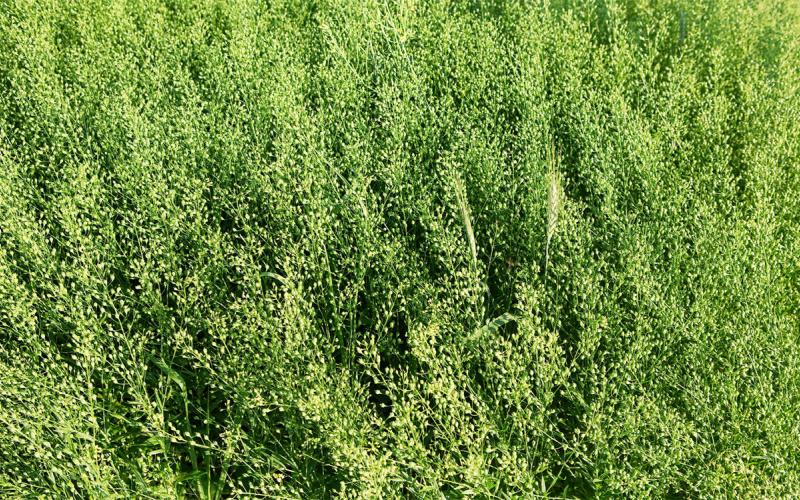
Spring and Winter Camelina in South Dakota
In the semi-arid, western portion of South Dakota, camelina has potential value as a fall-seeded cover crop, providing flexibility in crop rotations for improving soil health.
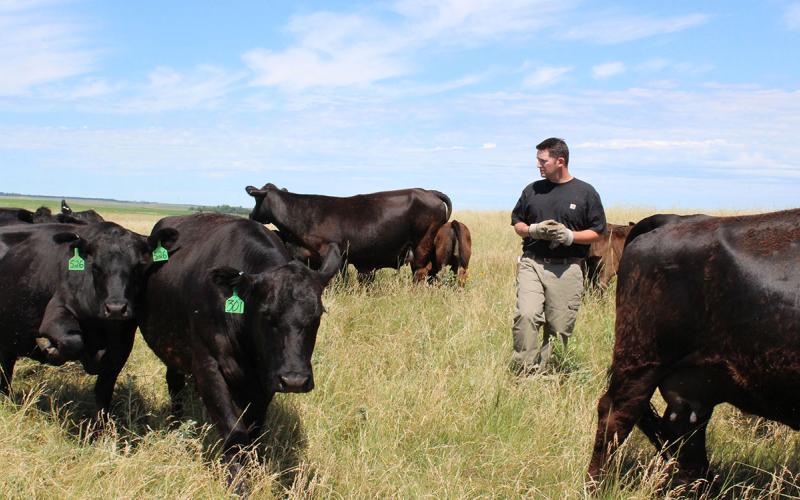
Management-Intensive Grazing Plays a Key Role in Expanding Grass-Based Agriculture
By improving livestock carrying capacity and reducing feed costs, grazing strategies at greater management intensity have the potential to improve grass-based livestock production profits.

Ready, Set, Manage Hay Differently
Feed is expensive and sometimes hard to find. Pasture prices, harvest expenses, hauling and waste add to the total feed bill. Evaluate your forage situation this winter and make changes that improve your profitability.

Creating Management Zones Using Electrical Conductivity
The first step to practicing zone management is to identify the variations that control yield. There are various methods for characterizing soil variations within a field, and among them, electrical conductivity measurement is one of the most-reliable.
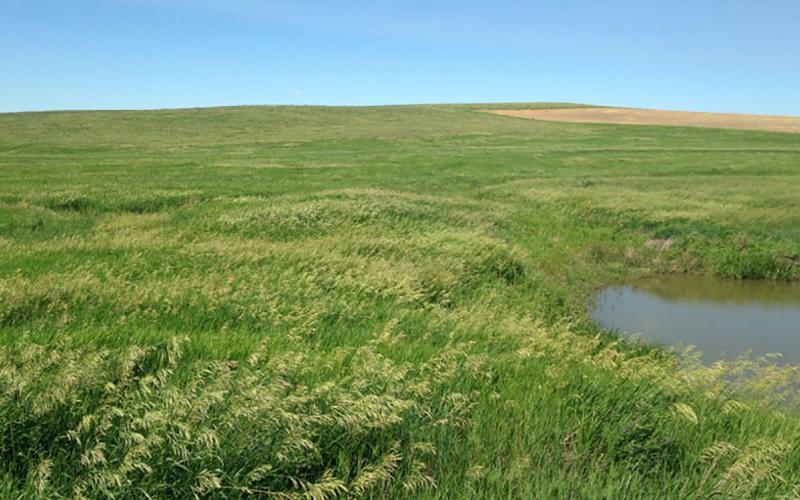
Introduced Grasses and Forbs
While native grasslands contribute greatly to the integrity of the overall grassland community in South Dakota, the use of introduced grasses has proven a popular alternative for some producers.