Natural Resources
All Natural Resources Content
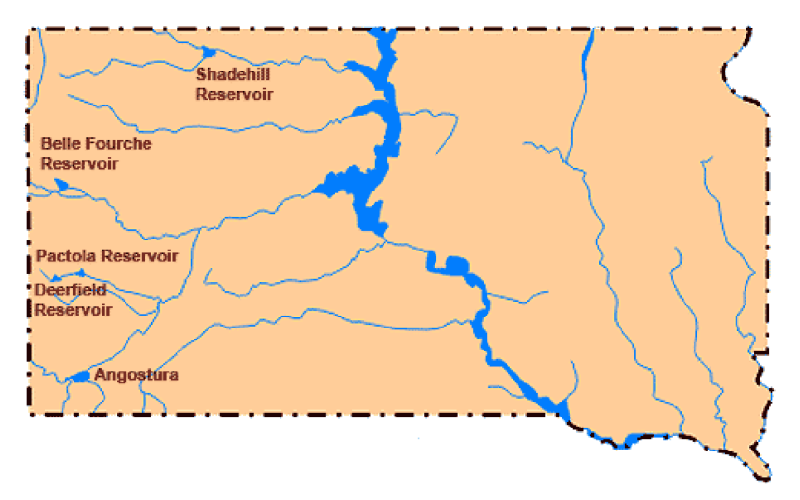
Spring Storms Help Bureau of Reclamation Reservoirs in Northwestern South Dakota
While the moisture was needed, the systems were severe with blizzard conditions occurring from multi-day, strong-gusting winds across the area.
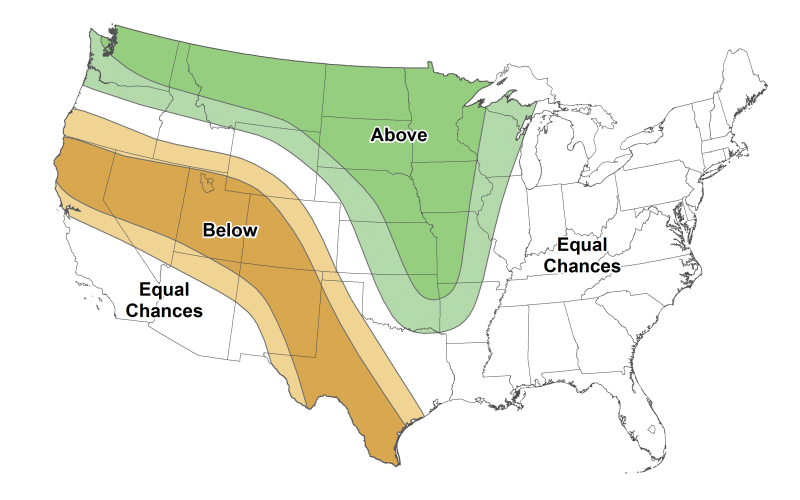
May 2022 Drought and Climate Outlook
The May climate outlook favors cooler and wetter than average conditions. It is possible producers could experience some short-term drought relief, with a return to drought or re-intensifying in the mid-summer season.
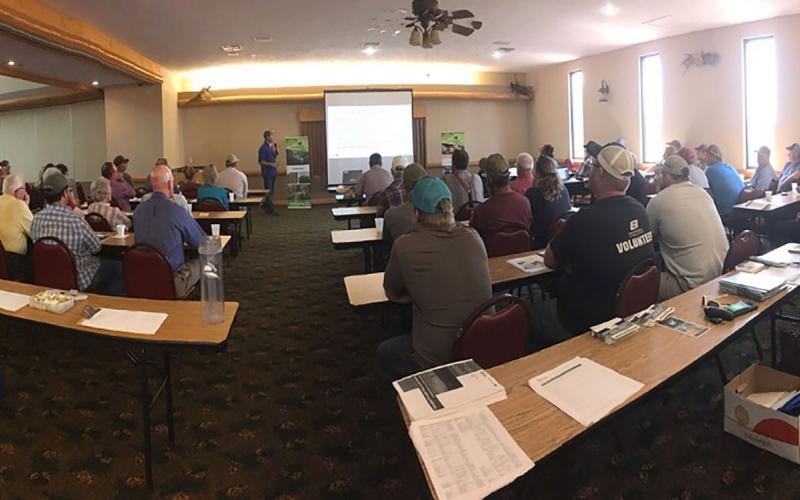
SDSU Extension to Host Drought Management Meetings
April 29, 2022
SDSU Extension will host drought management meetings across South Dakota May 10-12.
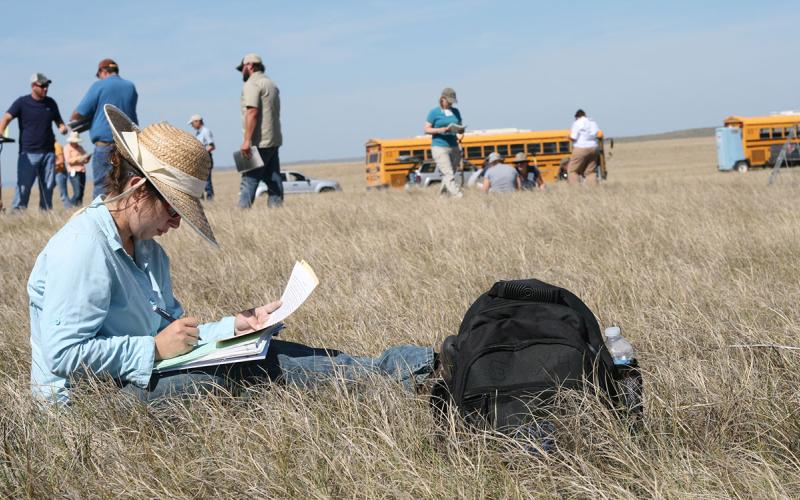
South Dakota Natural Resource Professionals Range Camp Registration Now Open
April 26, 2022
SDSU Extension, in partnership with the U.S. Forest Service, the Bureau of Land Management and the Natural Resource Conservation Service, is hosting a three-day range camp June 28-30 in Belle Fourche, South Dakota.
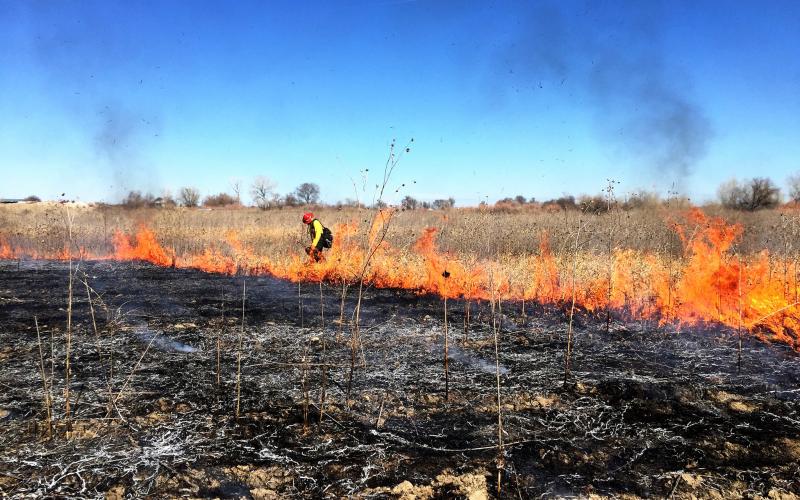
SDSU Extension to Offer Landowner Prescribed Fire Workshops
April 26, 2022
SDSU Extension, in partnership with the South Dakota Grassland Coalition, the Natural Resources Conservation Service, and others will host a prescribed fire workshop tailored to private landowners June 2-3 at the SDSU Oak Lake Field Station in Astoria.
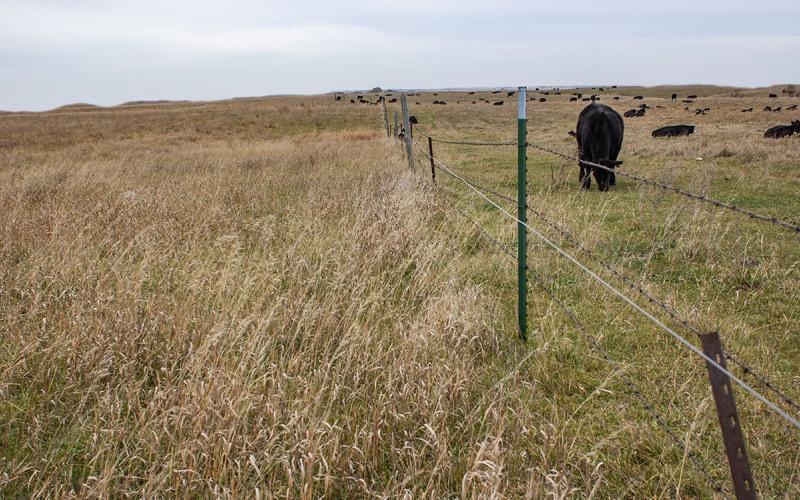
Reading the Range: Range readiness, grazing timing and drought considerations
Grazing timing is key when managing rangelands during a drought. Learn how to determine grazing readiness for different plant communities found throughout pastures and rangelands.
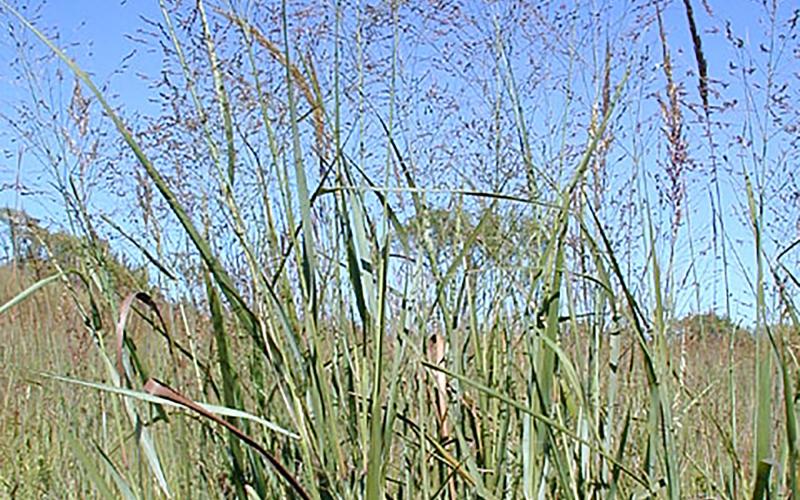
Warm-Season Grasses of South Dakota
Fact sheet about warm-season grasses in South Dakota.
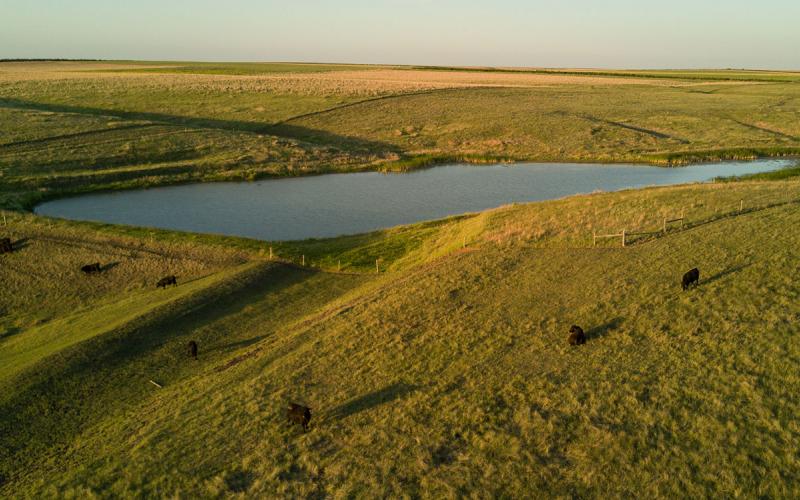
Cool-Season Grasses of South Dakota
Fact sheet about cool-season grasses in South Dakota.
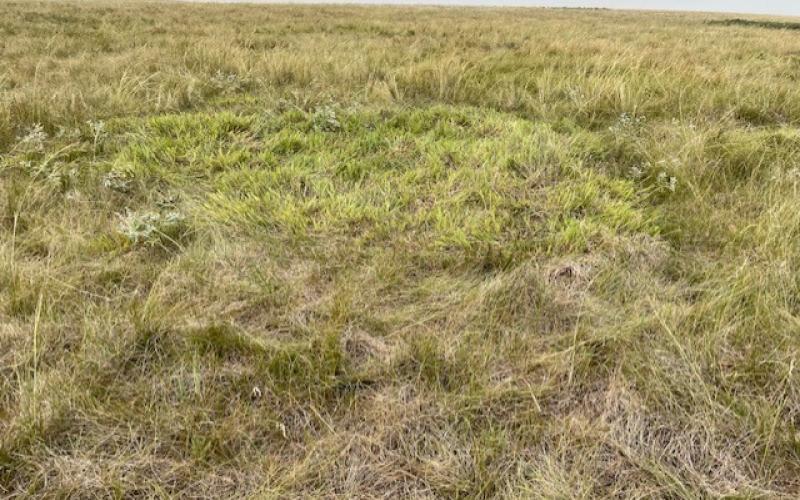
Targeted Grazing Strategies for Kentucky Bluegrass Control
Fact sheet for targeted grazing strategies for Kentucky bluegrass control.
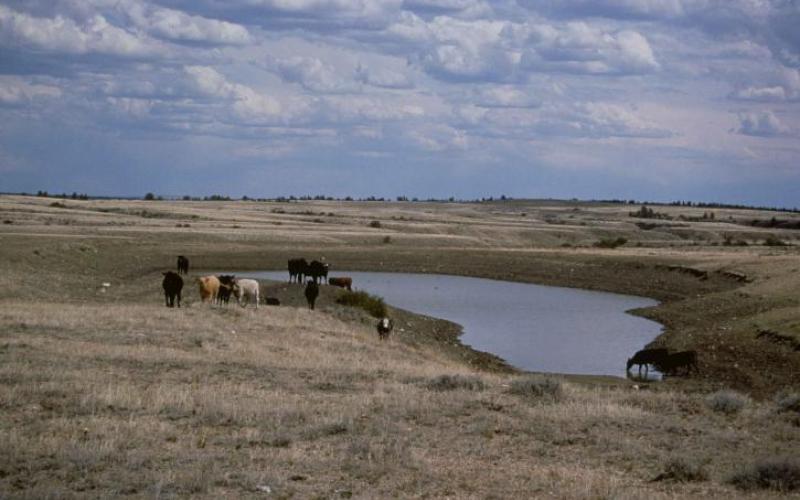
Ranch Drought Planning
Fact sheet with general drought planning tips from the range and natural resource perspective.