Livestock

Colder Weather Tips for Midwestern Dairy Farm Employees
Cold and snowy winters are a challenge for dairy workers, especially for those immigrants coming from warmer climates. Informing workers of simple cold weather survival tips is beneficial in improving their quality of life, both at home and the workplace.
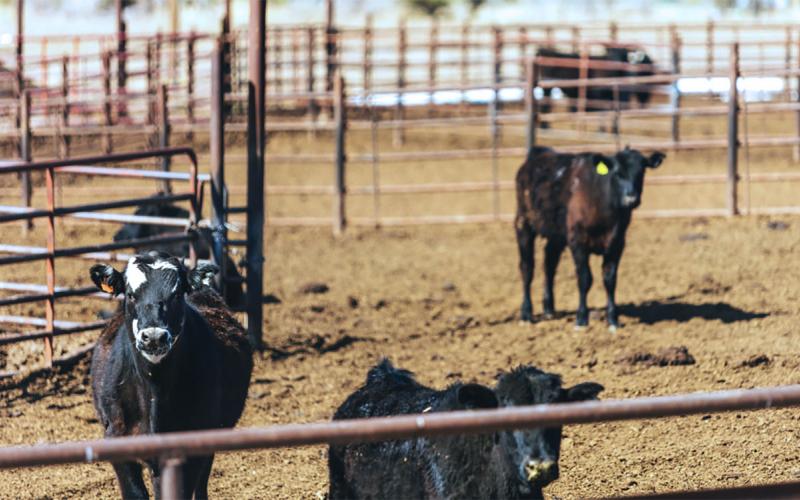
Cryptosporidiosis: A Potential Source of Illness in Calves and People Alike
Cryptosporidiosis is a pertinent example of a disease with zoonotic potential: one that can be passed from animals to people. Dairy and beef producers should consider the potential for Cryptosporidiosis to impact their animals, employees and family members.
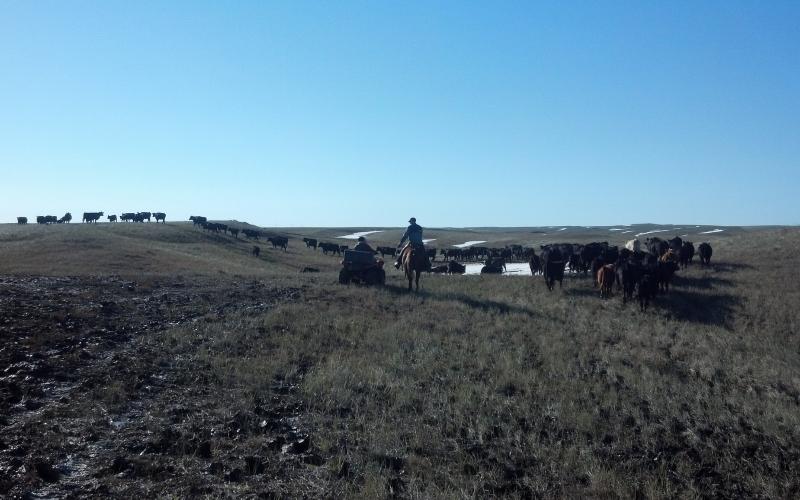
Late-Term Reproductive Losses in Beef Cattle: Diagnosing the Cause
Reproductive losses account for $1 billion in lost revenue to the beef industry each year. With cattle reproduction, focusing on what we can control and diagnose is the key to avoiding these losses.
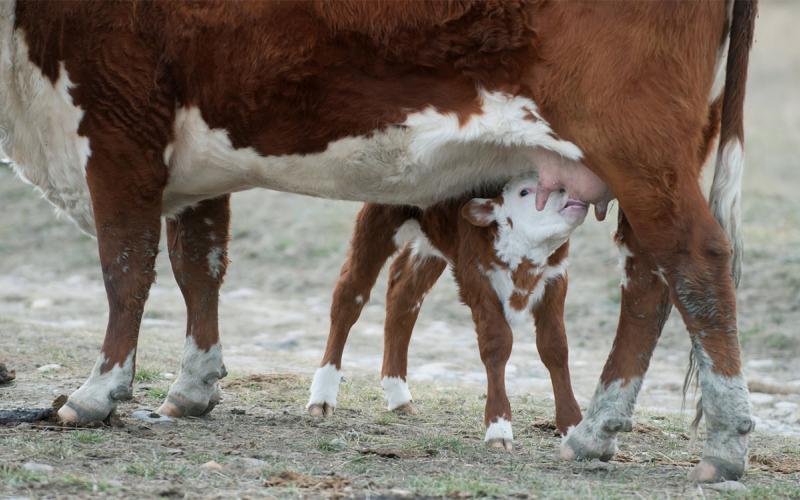
Updated Guidelines for Monitoring Colostrum Consumption and Antibody Transfer in Calves
Dairy and beef producers have long understood the importance of colostrum for the short- and long-term health of their calves. Calf health experts have determined the minimum level of serum protein to categorize a calf as having received sufficient colostrum.
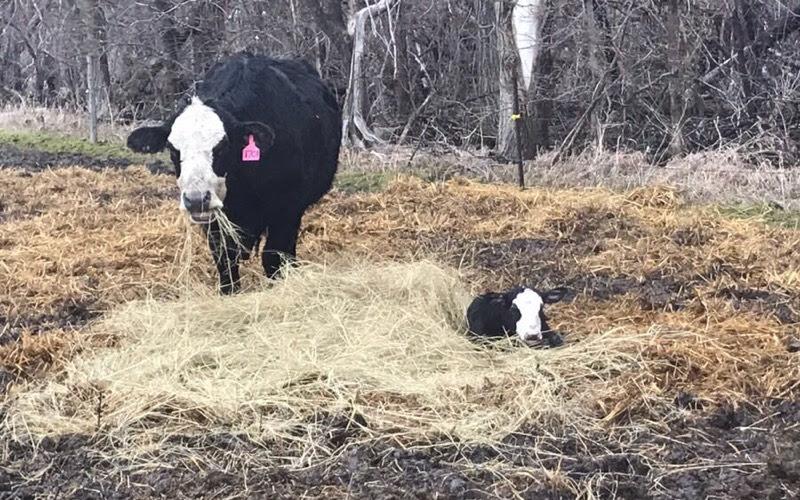
Planning for a Muddy Breeding Season
Early calving spring cow herds have wrapped up calving and are preparing for breeding season. If you are having flashbacks to breeding in the mud of 2018, try approaching this year with an open mind and review breeding season protocols with a “mud” backup plan.
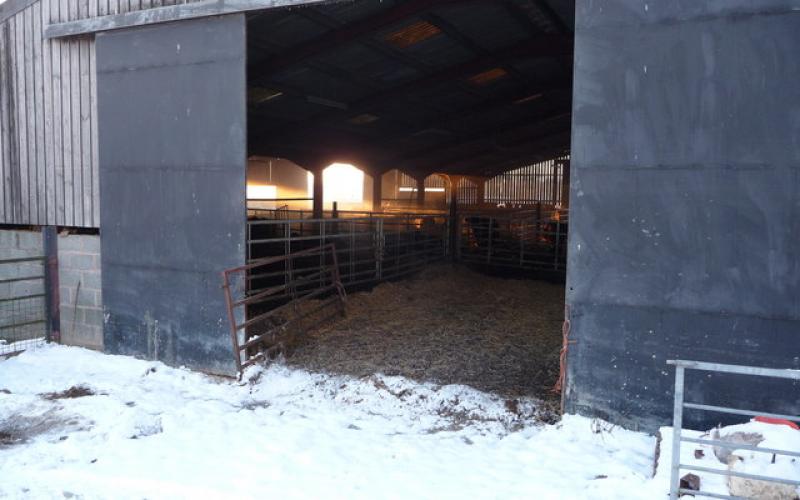
How Often Should You Check Cows During Calving Season?
The routine “calving check” is one of the most important tasks on the list of beef cattle producers during calving season.
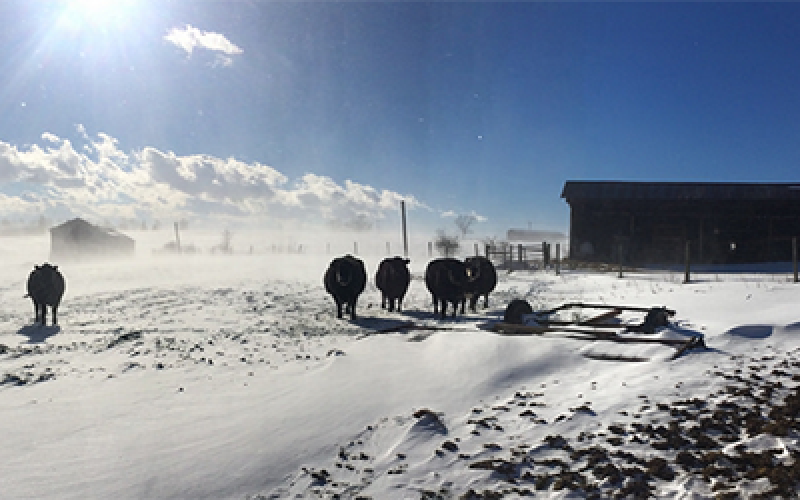
Cold Weather Challenges
In the event of extreme cold weather snaps, even cattlemen who have experience calving in these conditions may benefit from a review of recommendations as the calving season continues.
SDSU Extension to Host Another Round of Workshops for Next Generation Land Seekers
December 22, 2020
According to the USDA 2017 Census of Agriculture, one in four producers is a beginning farmer with 10 or fewer years of experience.
Veterinary Feed Directive: What You Can’t Do With a VFD
Livestock producers and veterinarians have been adjusting to the Veterinary Feed Directive (VFD) rules put into effect on January 1, 2017. With the onset of the rules, producers need to square their previous treatment methods with what a VFD can and can’t do.
SDSU Extension Selects Participants for Class 5 of beefSD Program
November 13, 2020
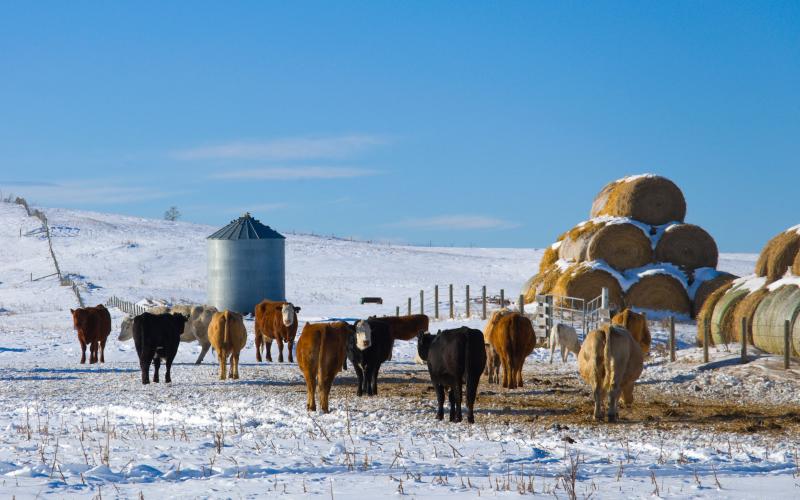
SDSU Extension has selected participants to partake in Class 5 of the beefSD program.