Podcast
The podcast for beef producers interested in cutting-edge information about cattle production from experts and producers in nutrition, grazing, reproduction, health and economics. Hosted by Robin Salverson, SDSU Extension Cow/Calf Field Specialist; Taylor Grussing, SDSU Extension Cow/Calf Field Specialist; Kimberly Ricardo, SDSU Extension Forage Field Specialist; and Parker Witt, SDSU Extension Crop-Livestock Systems Field Specialist. Cattle HQ will release new episodes every other week.
Use the links below to listen to episodes, view transcripts and download additional resources. Subscribe to Cattle HQ on Spotify.
Live
Video playlist https://www.youtube.com/embed/videoseries?si=K2Soc2RCrRNSupKB&list=PLlldDb7IZYqIrdpZVB6SZXEp-Dz-zm8Ru
Join SDSU Extension's beef team to gain valuable insights to improve the health, productivity and profitability of your herd. Learn about timely topics during this free webinar series on the third Thursday of each month at 2:00 p.m. CST.
There is no fee to attend, but participants will need to register to receive the Zoom link and reminders. Register once to be signed up for all sessions. For more information, contact Julie Walker, Professor and SDSU Extension Beef Specialist, or Erin DeHaan, Assistant Professor and SDSU Extension Beef Specialist.
Live Recaps
Freezer Beef
Cattle HQ Live: August - Freezer Beef https://youtu.be/emVCsD6Y8Jw
The request for cutting instructions can be overwhelming when you take an animal to the butcher. In the August 2026 Cattle HQ Live webinar, Dr. Christina Bakker, SDSU Extension Meat Science Specialist, discusses how to navigate the language of the cut sheet to make sure you get what you want from a locker. Dr. Bakker will also discuss factors that impact how much meat you will get back to help you set your expectations and prepare your freezer.
Webinar Highlights
- Inspection processing laws, with focus on custom-exempt
- Tenderness and flavor expectations for freezer beef
- Calculating final meat yields after processing
- Types of meat cuts and how they affect the amount of meat you receive
- Key points to discuss with your locker prior to bringing your livestock in for harvest
Cattle HQ Live: July - Diverse Plant Communities Benefit Livestock Nutrition https://youtu.be/A1jY9_elsUw
Sometimes wildflowers and shrubs can be mistaken for invasive weeds, seen as competition to grass production, thought as unpalatable for livestock, or even be toxic. However, many of these non-grass plants are excellent sources of protein, energy, and minerals for grazing livestock in addition to improving grassland and soil health. In the July 2026 Cattle HQ Live webinar, Kaylee Wheeler, SDSU Extension Range Field Specialist, discusses the value of plant diversity for the benefits of pasture health and grazing livestock nutrition.
Webinar Highlights
- Benefits of plant diversity for health rangelands
- Variation in nutrient content between grasses, forbs, and shrubs
- Management recommendations for each type of plant to maintain diversity
- Research findings of nutritional composition of various forb species
Cattle HQ Live: June - Cybersecurity 101 https://youtu.be/-01TY1hKM0Q
With the increased adoption of technology in the agricultural industry, producers are at greater risk of cyber-attacks. These attacks can have serious consequences from financial losses to supply chain disruptions. In the June 2026 Cattle HQ Live webinar, Dr. Jameson Brennan, SDSU Extension Livestock Grazing Specialist, provides an overview of cybersecurity threats within the agriculture industry, how to detect common cyber threats, and best practices for preventing a cyber-attack.
Webinar Highlights
- Importance of cybersecurity in modern agriculture
- Real world examples of cyber security attacks
- Common cyber attacks
- Methods to avoid cyber threats and steps to set up a cybersecurity plan
- Recommended actions if you experience a cyber attack
Cattle HQ Live: May - Practical Applications for Virtual Fencing https://youtu.be/nq3zMfyDEDM
Virtual fencing is an emerging technology for managing livestock grazing on the landscape. Virtual fence systems operate via a global positioning system (GPS) enabled collar that can control cattle movement through sound and electrical stimuli offering greater flexibility in achieving grazing objectives. In the May 2026 Cattle HQ Live webinar, Logan Vandermark, former SDSU Extension Precision Livestock Field Specialist, discusses current virtual fence systems on the market, considerations for producers interested in utilizing this technology, and current research being conducted at SDSU with virtual fence.
Webinar Highlights
- Overview of virtual fencing
- Comparison of commercially available virtual fence systems
- Infrastructure considerations
- Practical application of virtual fence
- Current research at SDSU using virtual fence
Cattle HQ Live: April - Estrous Synchronization with Natural Service https://youtu.be/5CRou5l2kZw
There is a misconception in the industry that estrous synchronization is used exclusively with artificial insemination (AI). However, it is an effective and cost-efficient tool to be used with bulls. In the April 2026 Cattle HQ Live webinar, Robin Salverson, SDSU Extension Cow/calf Field Specialist, and Taylor Grussing, SDSU Extension Cow/calf Field Specialist, discuss the advantages of estrous synchronization, the protocols, and bull power when using synchronization with natural service.
Webinar Highlights
- Benefits from using synchronization
- Recommended natural service protocols
- Bull management considerations
- Determining the bull power with synchronization
- General estrous synchronization management tips
Cattle HQ Live: March - Grazing Tools; Cattle Nutrition https://youtu.be/MCUm3NXM3OM
Managing grazing nutrition throughout the year can be difficult due to changing cow nutrient requirements and changing forage and feed availability. In the March 2026 Cattle HQ Live webinar, Dr. Hector Menendez, SDSU Extension Livestock Grazing Specialist and Kaylee Wheeler, SDSU Extension Range Field Specialist, discuss online tools to help with managing cattle nutrition and preparing for the grazing season. These tools can help producers with decision making and provide proactive management to manage their operations effectively.
Webinar Highlights
- Methods to monitor weather, drought, and moisture conditions
- Tools for assessing pasture readiness with cow herd inventory
- Drought management considerations
- Cattle nutrition management tools and calculators
- How to effectively use the models and tools discussed for cattle and pasture management
Cattle HQ Live: February - Cattle Market Update https://youtu.be/lWjpybydvuk
The annual National Agricultural Statistics Service (NASS) Cattle report provides a breakdown of inventory levels across classes and locations. The beginning of the year can also be a good time to look at seasonal trends and basis levels to plan out marketing strategies. In the February 2026 Cattle HQ Live webinar, Dr. Matthew Diersen, SDSU Extension Risk and Business Management Specialist, discusses the 2026 cattle market outlooks and trends.
Webinar Highlights
- 2026 cattle market outlook
- Cattle inventory trends
- Price risk management
- Livestock Risk Protection (LRP)
- Futures and Options
Cattle HQ Live: January - Water Systems https://youtu.be/b9Gmcjk81Ek
Water is an essential, but often overlooked nutrient. Delivering water during the winter presents challenges but is critically important to maintain cattle performance and health. In the January 2026 Cattle HQ Live webinar, Pete Bauman, SDSU Extension Natural Resources and Wildlife Field Specialist, and Dr. Warren Rusche, SDSU Extension Feedlot Management Specialist, highlight options for delivering water in a cost-effective manner for both grazed and confined cattle.
Webinar Highlights
- Importance of water quality and quantity for cattle production requirements
- Water capacity and storage considerations
- Installation recommendations for winter water systems
- Water systems for pasture and crop residue
- Value of infrastructure investment for cattle performance
Cattle HQ Live: December - Preparing for Calving Season https://youtu.be/iQq6D8v8xXo
Planning and preparing ahead for calving season can help reduce stress for the cow and calf, as well as for beef producers. It’s important to take the time to determine a plan prior to calving begins to ensure supplies needed for assisting with calving, processing and caring for newborn calves, as well as facilities are prepared before the first calf hits the ground. In the December 2025 Cattle HQ Live webinar, Taylor Grussing, SDSU Extension Cow/Calf Field Specialist discusses practical steps that beef cattle producers can take before and during calving season to improve calf survival, health, and herd management.
Webinar Highlights
- Sort cows by expected calving date for monitoring and feeding efficiency
- Preparing recommended supplies for calving
- Review of the stages of labor and how to assist cows with calving
- Calf processing and care following birth
- Key items to keep track of during calving for herd management records
Cattle HQ Live: November - Cow/Calf Health and Reproductive Vaccines https://www.youtube.com/watch?v=GA2sqC15kKs
Choosing the right vaccine to guard against reproductive problems in the cow/ calf herd can have long-term health implications. Some vaccines meant to improve reproductive in cow/calf herds might actually be causing problems instead. In the November 2025 Cattle HQ Live webinar, Dr. Russ Daly, Professor and SDSU Extension Veterinarian, discusses the current knowledge surrounding reproductive vaccines in cow/calf herds and outlines some health tips for producers to consider for cows and heifers during the fall and winter months.
Webinar Highlights
- Effective reproductive health depends on both vaccine choice and timing
- Advantages and disadvantages of killed vs modified live vaccines
- Strategic external and internal parasite control
- Biosecurity and herd management considerations
- Consult your vet to help determine a health management protocol for reproductive success
Cattle HQ Live: October - Management Decisions; Close out Sheets https://youtu.be/AuQAej_LodM
Beef cattle producers in any sector are taught that you need to record data so you can use it to make management decisions. However, it can be a challenge to understand what data you should be paying attention to, how to interpret the data, and finally how do you apply this data to make it useful for your operation. In the October 2025 Cattle HQ Live Webinar, Christina Bakker, Assistant Professor and SDSU Extension Meat Science Specialist, and Erin DeHaan, Assistant Professor and Extension Beef Specialist, discuss how to analyze performance data from the feedlot and carcass data from a harvest facility to determine if producers are making management goals. They also offer some advice on adjusting production decisions to meet their goals.
Webinar Highlights
- Understanding USDA Yield and Quality Grades
- Premiums and discounts associated with yield and quality grades
- Interpreting feedlot closeout data
- Interpreting carcass closeout data from packing plant
- Resources for comparing cattle to industry averages
Cattle HQ Live: September - Introducing Calves into the Feedyard https://youtu.be/KU73Qz2aI_E
The weaning timeframe is a critical time for calf health and can dictate how the calf will perform in the feedlot. Taking the time to revisit receiving protocols can help allow a smooth transition into the receiving phase following the weaning event. In the September 2025 Cattle HQ Live webinar, Dr. Russ Daly, SDSU Extension Veterinarian, goes into detail how to successfully transition calves in the feedyard by focusing on reducing stress, determining calf risk, and using calf history for further management decisions.
Webinar Highlights
- Low-stress handling methods can decrease the degree of stressors for the calf
- Assess calf history to determine the level of risk of illness
- Allow rest time after weaning and/or transporting before processing
- Successful calf management is not just about medications
- Consult your vet to help determine a health management protocol during the weaning event
Upcoming Events
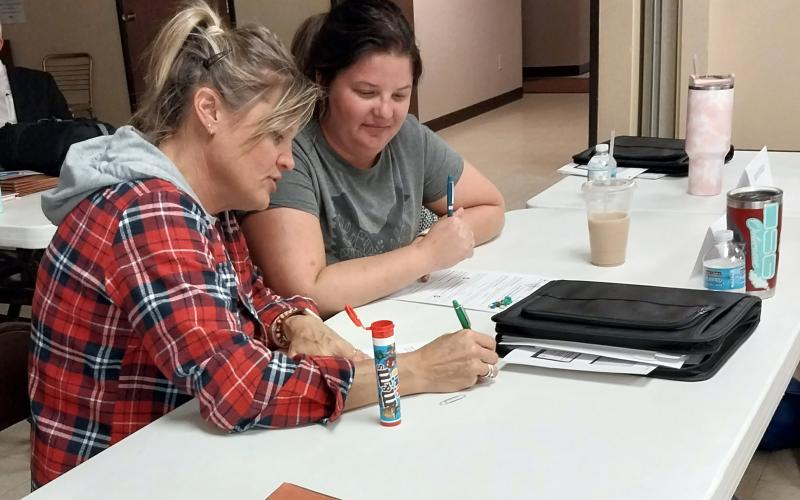
Livestock Risk Protection Cattle HQ Live
Join SDSU Extension's beef team to gain valuable insights to improve the health, productivity and profitability of your herd. This month we will cover the basics of Livestock Risk Protection (LRP).
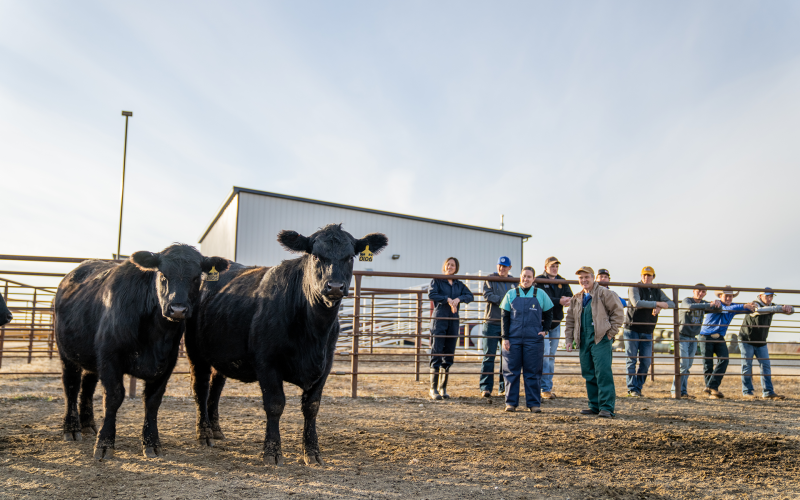
Biosecurity and the Secure Beef Supply Plan Cattle HQ Live
Join SDSU Extension's beef team to gain valuable insights to improve the health, productivity and profitability of your herd. This month, we will discuss the steps needed to prepare operations and how to set up biosecurity plans using the guidance of the SBS Plan in case of a major disease outbreak.
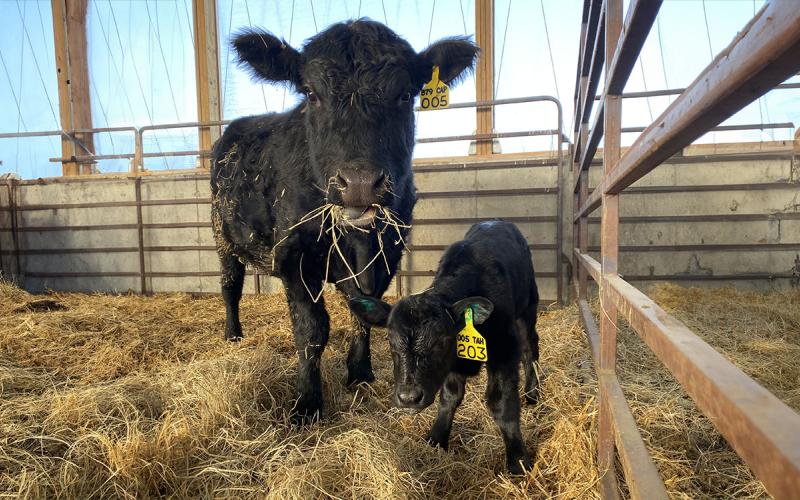
Preparing for Calving Season Cattle HQ Live
Join us to learn more how organizing the calving season by preparing the calving list, facilities and even personal wellbeing, can make it a successful time of year.