Insect & Pests
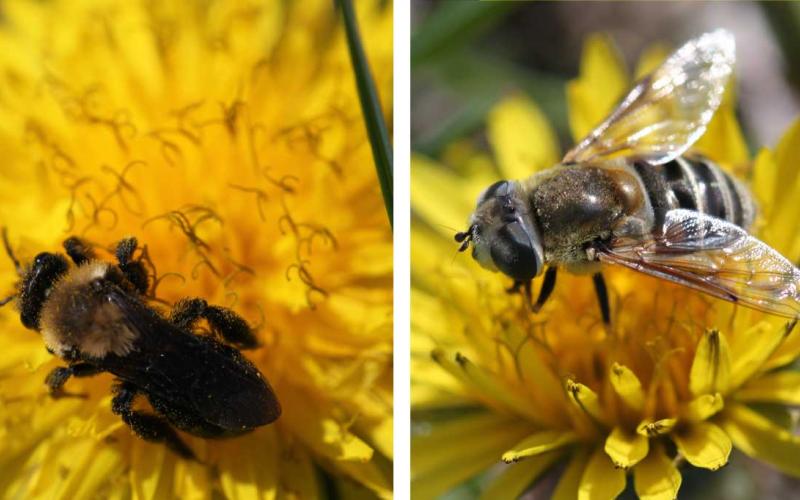
Why Those Dandelions in Your Yard Aren’t So Bad
While research has shown that pollinators, specifically honey bees, can’t survive on dandelion pollen alone, this doesn’t mean that the dandelions aren’t still important for pollinators.
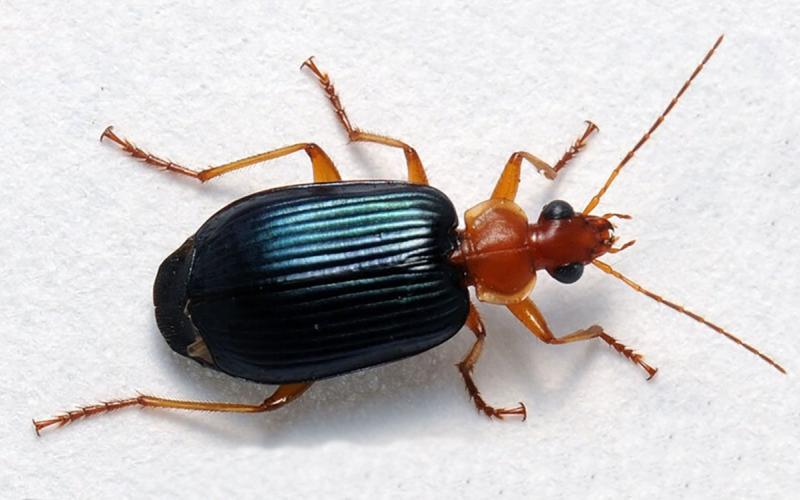
Ground Beetles: Predators That Provide Benefits in Agricultural Landscapes
For agroecosystems and gardens struggling with weeds and insect pests, ground beetles can be a beneficial predator. Learn the benefits they can bring to your landscape this growing season.
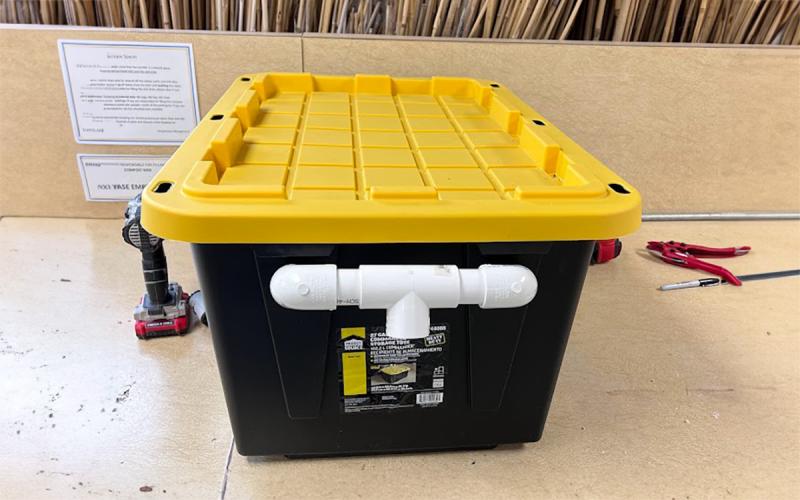
Insect Bioconversion: How to Compost With Black Soldier Flies
Much like composting, black soldier flies can be used in a rearing container to convert organic matter into nutrient-rich food, which can then be used in your garden. Learn how to construct a rearing container with this step-by-step guide!
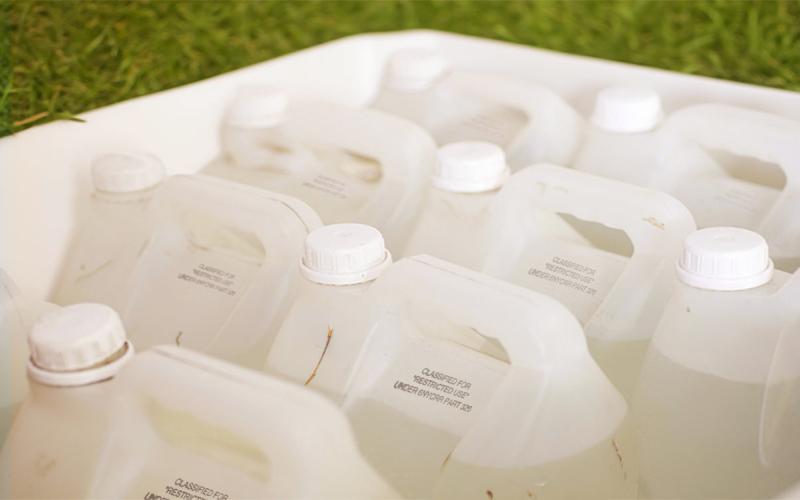
Managing Waste Pesticides: Restricted Use Pesticides
While pesticides are intended only to impact pests, they can have negative consequences on unintended targets, such as humans and wildlife, if not handled properly. Learn what steps you need to take to safely dispose of unused pesticides and comply with regulations.
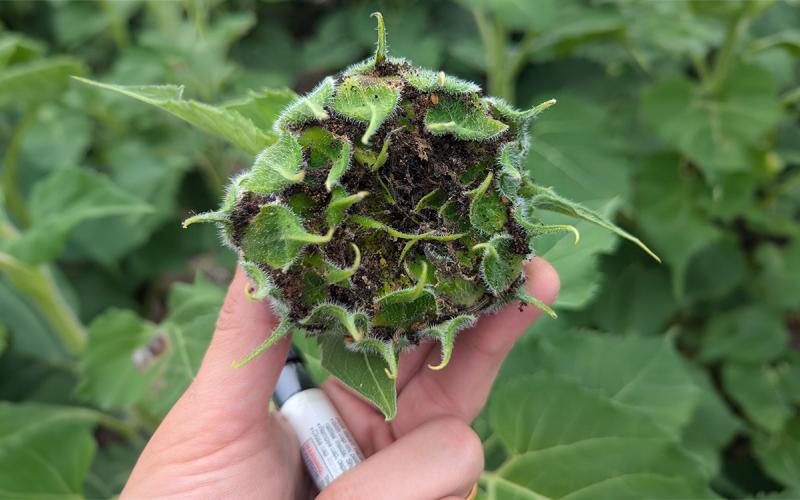
Sunflower Moths Causing Problems
While scouting late-planted sunflowers two weeks ago, there were increased observations of sunflower moth caterpillars in the heads that were later than the rest of the field. Sunflower moths are best managed as moths or early instar larvae.
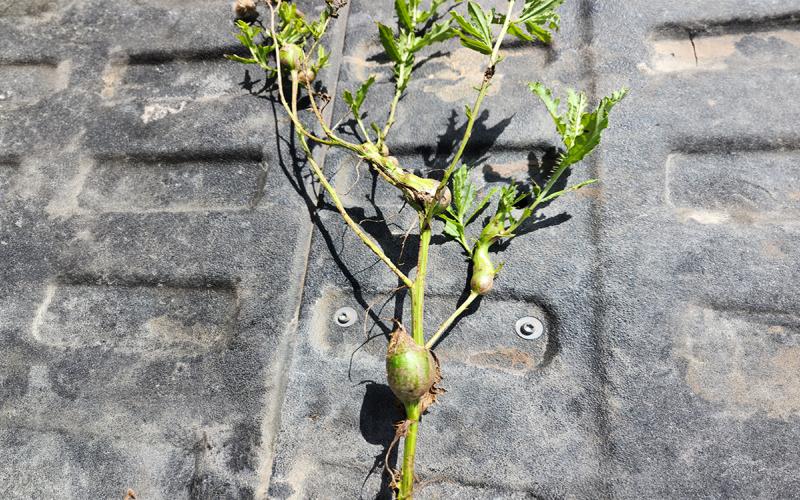
Galls on Canada Thistle: Biological Management at Work
A common sight this summer on Canada thistle is odd growths (also known as galls) on stems. These galls are a product of thistle stem gall fly attacking Canada thistle plants.
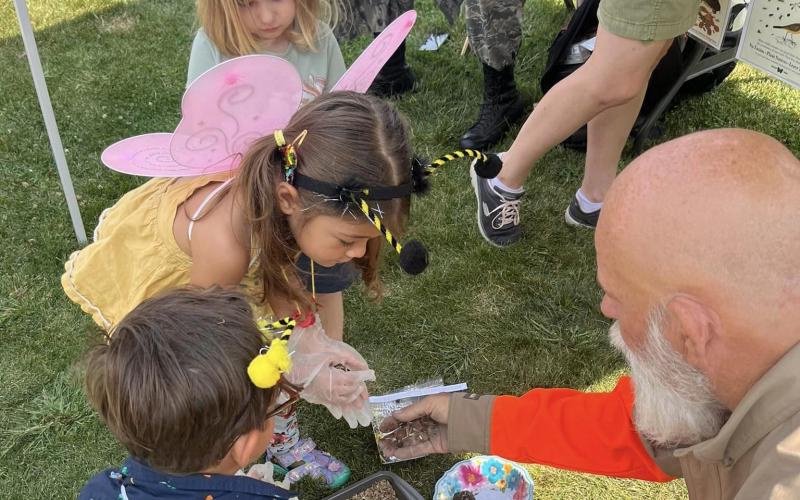
SDSU Extension, McCrory Gardens to host 7th annual Insect Festival
August 13, 2024
The seventh annual Insect Festival is from 1 to 4 p.m. CDT on Sept. 7, 2024, at McCrory Gardens in Brookings. There will be garden tours, interactive insect education, an insect costume parade, crafts and edible insects.
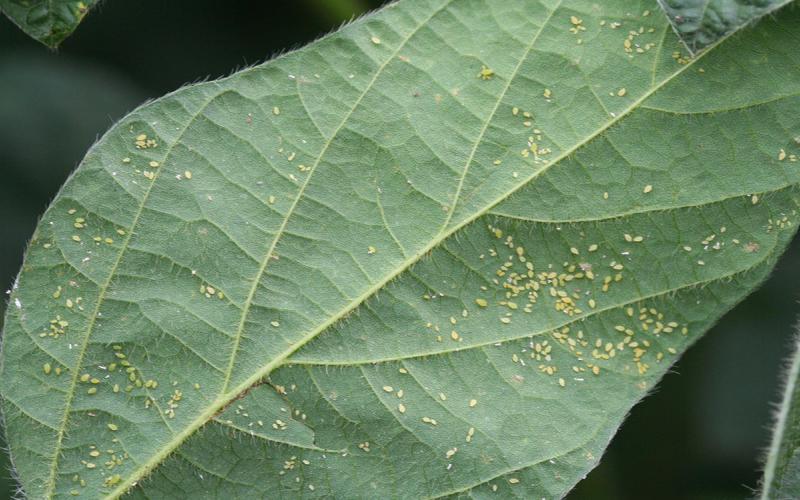
Management Recommendations for Soybean Aphids
In many fields across eastern South Dakota soybean aphid populations have reached economic thresholds, and there have been a lot of questions regarding the best approach to managing the 2024 outbreak.
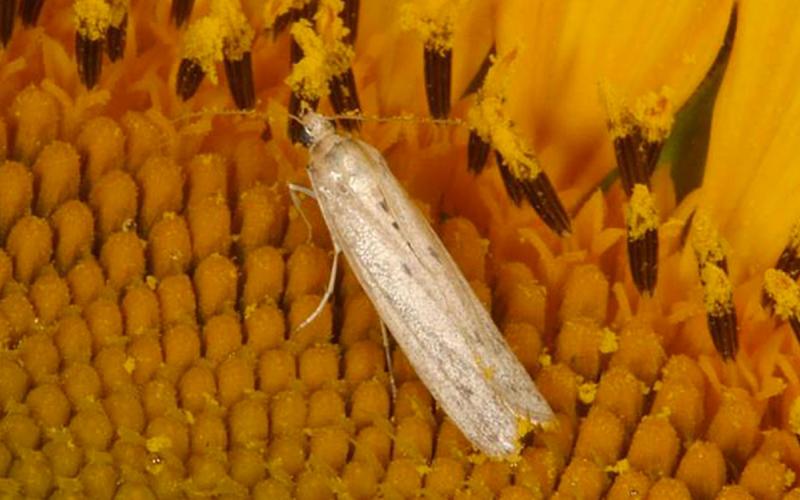
Sunflower Moths Observed in South Dakota
Sunflower moths have been observed in South Dakota sunflower fields this week. Sunflower heads are most susceptible to damage caused by the sunflower moth caterpillars from the onset of flowering to when the ray petals begin drying.
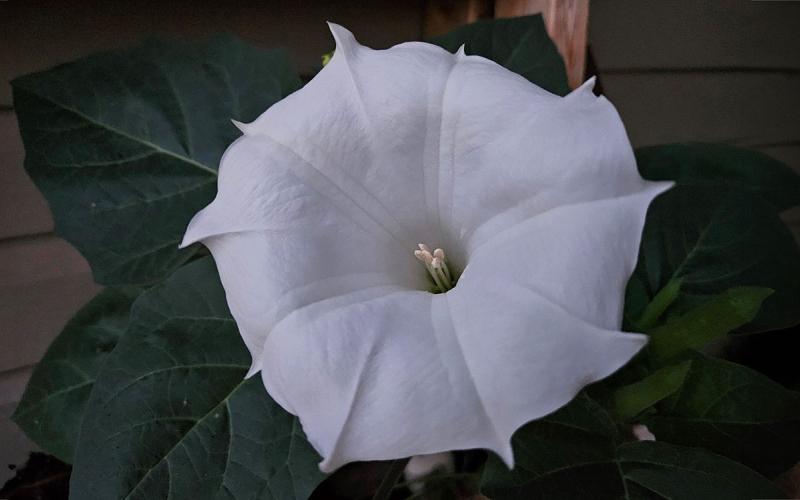
Night-Blooming Flowers and Host Plants for Moths
Moths are fascinating creatures, and they are also important pollinators. Learn about a variety of night-blooming flowers and native host plants that can attract these beneficial insects to your yard and garden.