Insect & Pests
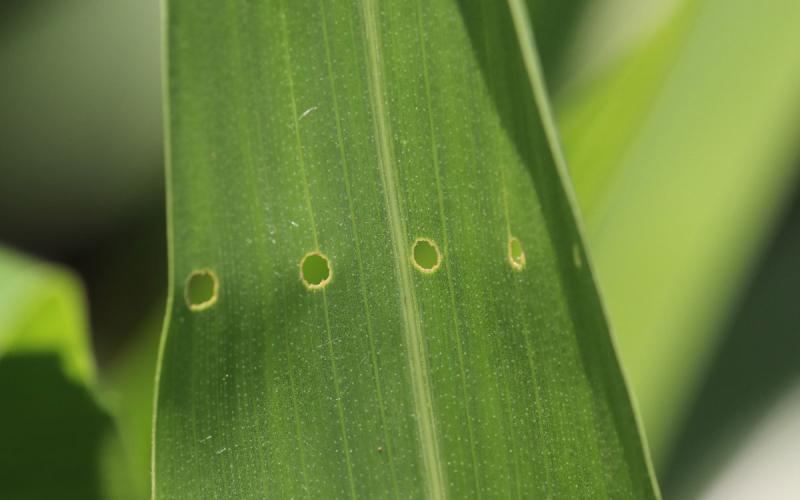
European Corn Borer Caterpillars Infesting Conventional Corn in South Dakota
European corn borer caterpillars have been observed in conventional corn at several South Dakota locations. Indicators for the presence of European corn borer caterpillars in corn are a line of straight holes in the upper leaves that is often referred to as "shot-hole injury."
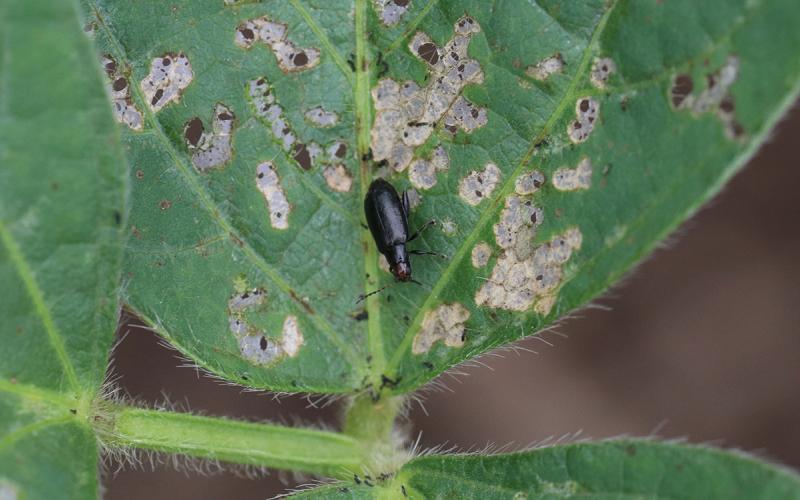
Redheaded Flea Beetles in Soybean
While scouting soybean this week, we noticed an uptick in redheaded flea beetle activity. In the fields that we scouted, defoliation levels were still very low at less than 5%.
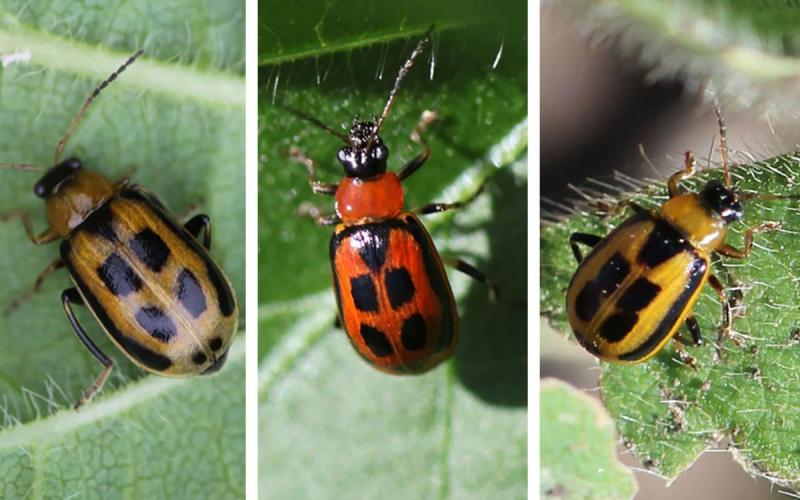
Bean Leaf Beetles Showing Up in Soybean
Despite the prediction of low overwintering survival we have observed bean leaf beetles in soybean this week. See our latest observations and management recommendations.
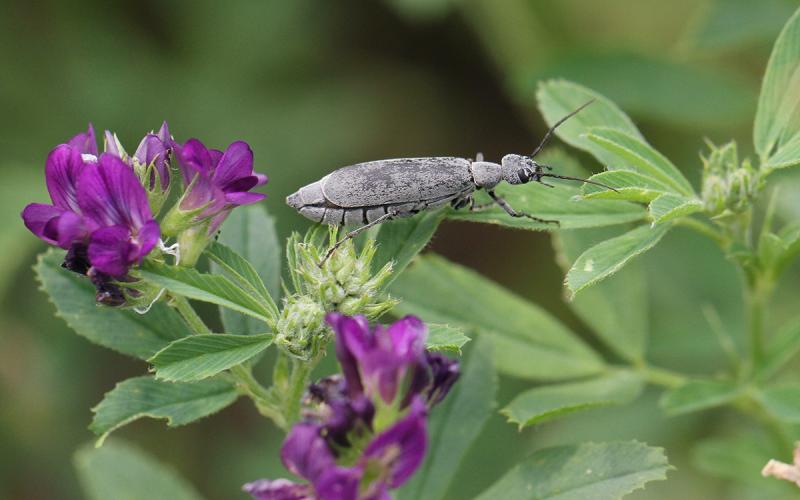
Watch for Blister Beetles in Later Alfalfa Cuttings
The frequent rain events experienced this summer has helped boost forage production. Although this is great for growers, the possibility of encountering blister beetles at harvest increases later in the summer.
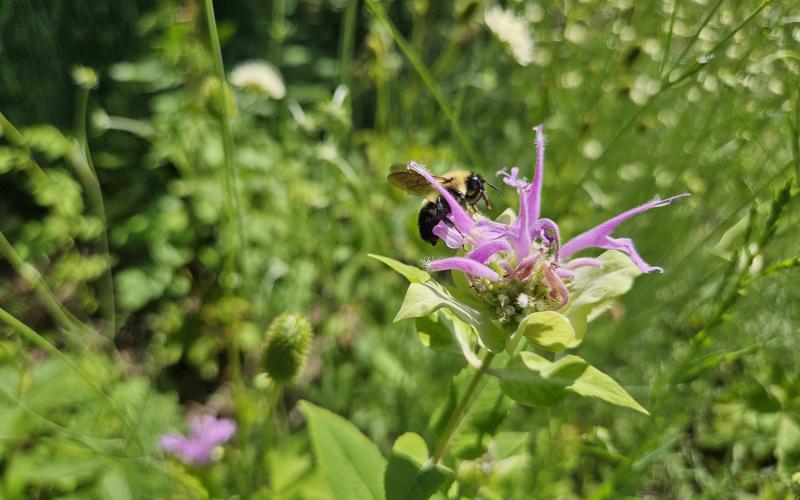
Managing Forests for Pollinators
Fact sheet on the importance of managing Black Hills forests for pollinators.
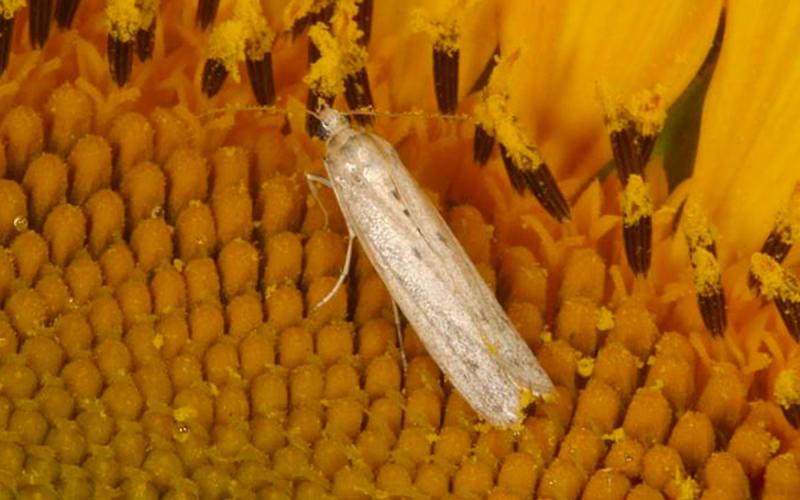
Sunflower Moths Active in South Dakota Sunflowers
We have received reports of sunflower moths present on early planted sunflowers this week. The observed sunflower moth populations are above the recommend threshold of an average of 1 to 2 moths per five heads.
Update on Chlorpyrifos Use in South Dakota
As of June 30, 2025, the labeled uses for chlorpyrifos products for food and feed are limited to alfalfa, soybean, and wheat in South Dakota. Chlorpyrifos can no longer be used to treat sunflowers.
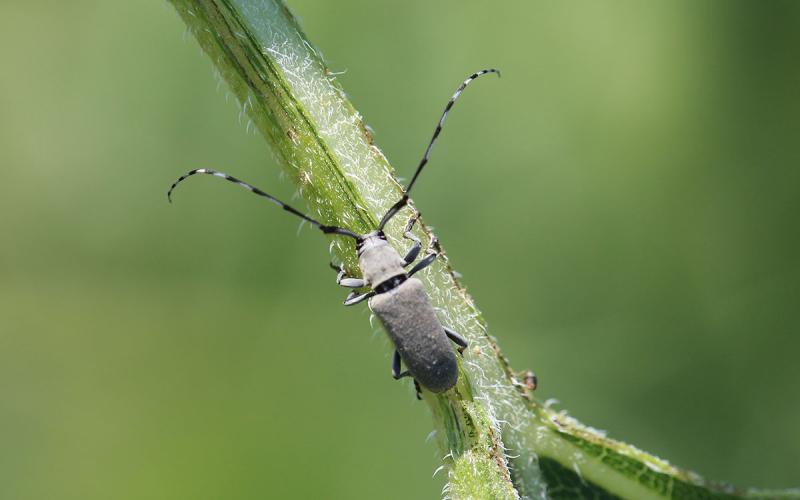
Dectes Stem Borer in South Dakota Soybeans
Fact sheet on Dectes stem borer in South Dakota soybeans
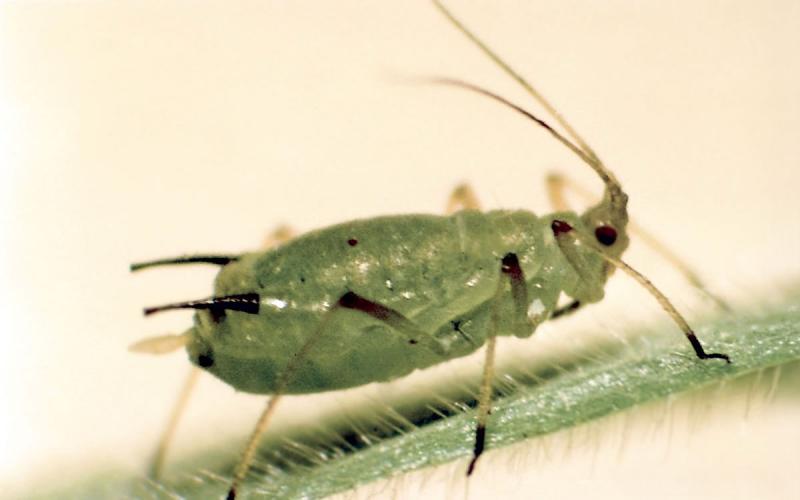
Aphid Populations Continue To Increase in Wheat
English grain aphid populations are continuing to increase in wheat. With increasing pressure, it is important to scout wheat fields to ensure that the populations do not cause yield loss.
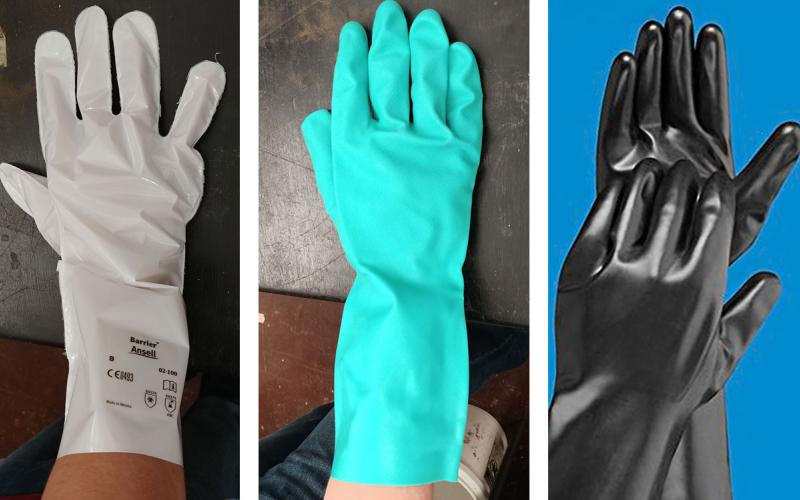
Pesticide Personal Protective Equipment: Glove Selection
Safety gloves are one of the most-important pieces of pesticide personal protective equipment. Glove material is very important, as not all materials provide the same protection for different pesticide ingredients.