Insect & Pests
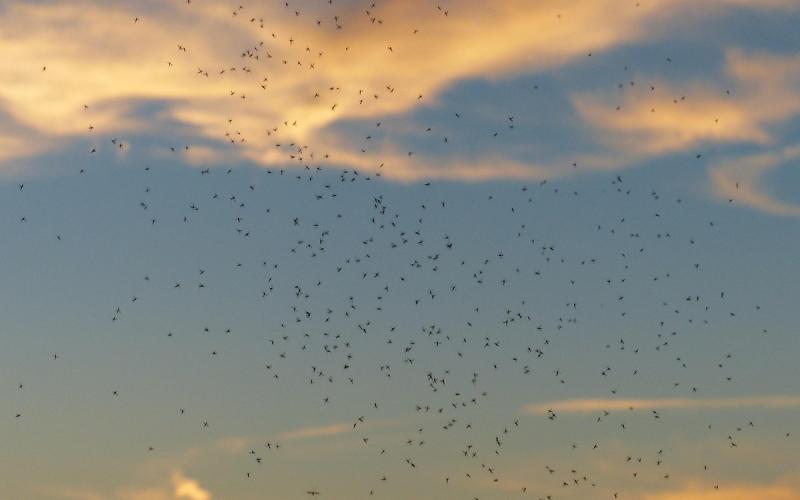
West Nile Virus Update: September 10, 2025
As of September 10, 2025, the South Dakota Department of Health (SD DOH) reported 59 human cases of West Nile virus from Beadle, Bon Homme, Brookings, Brown, Charles Mix, Codington, Corson, Grant, Gregory, Hamlin, Hand, Hughes, Hutchison, Hyde, Lawrence, Lincoln, Marshall, Meade, Miner, Minnehaha, Pennington, Sanborn, Spink, and Walworth counties.
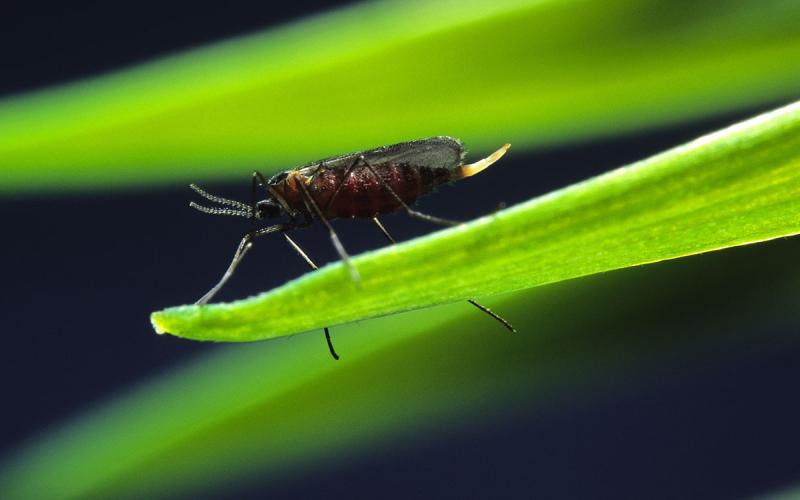
Hessian Fly: Winter Wheat Planting Date Considerations
As winter wheat planting rapidly approaches, there are many factors that should be considered. One of those factors is choosing a planting date to avoid Hessian fly issues. Learn some expert tips for selecting a safe planting date for your region.
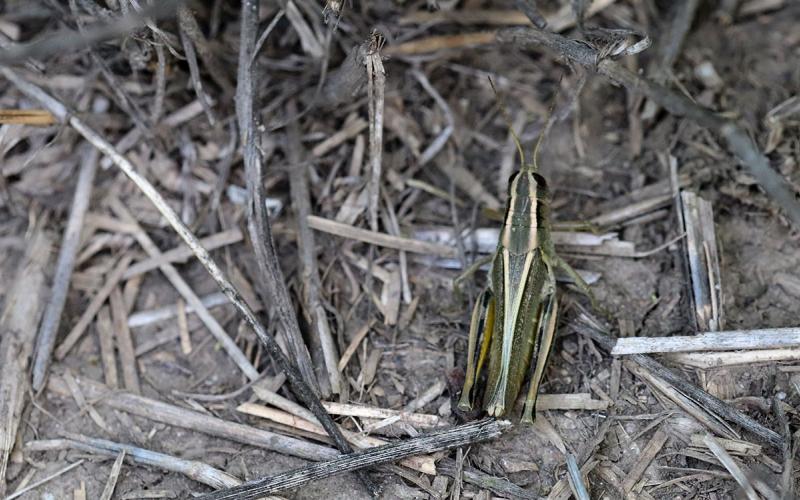
Monitor Emerging Winter Wheat for Grasshopper Populations
Large grasshopper populations have been observed in many areas of South Dakota. It is important to scout winter wheat fields for grasshoppers before and after planting, especially in areas where large populations have been identified.

Home Horticulture Resources for Gardeners
Horticulture is the branch of plant agriculture dealing with garden crops. In addition to our website, there are many horticulture resources available on the web to provide research-based information to help every gardener succeed.
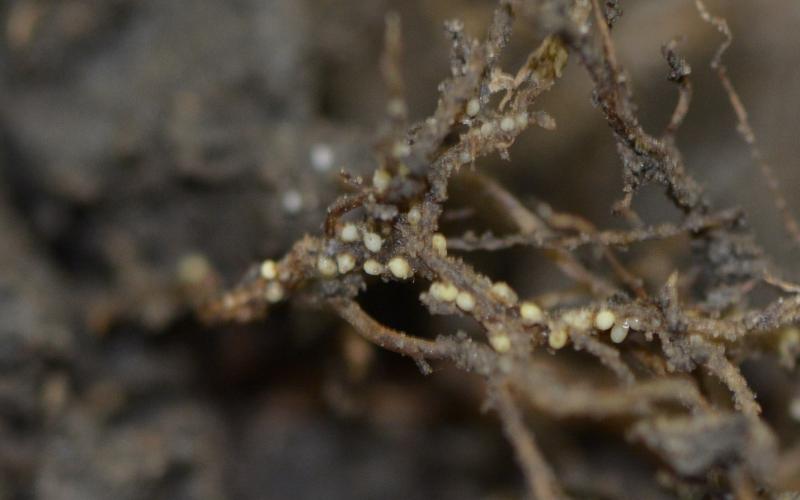
Integrating Precision Ag Tools for Smarter SCN Assessment and Management
Fact sheet on integrating Precision Ag tools for Soybean Cyst Nematode (SCN) assessment and management
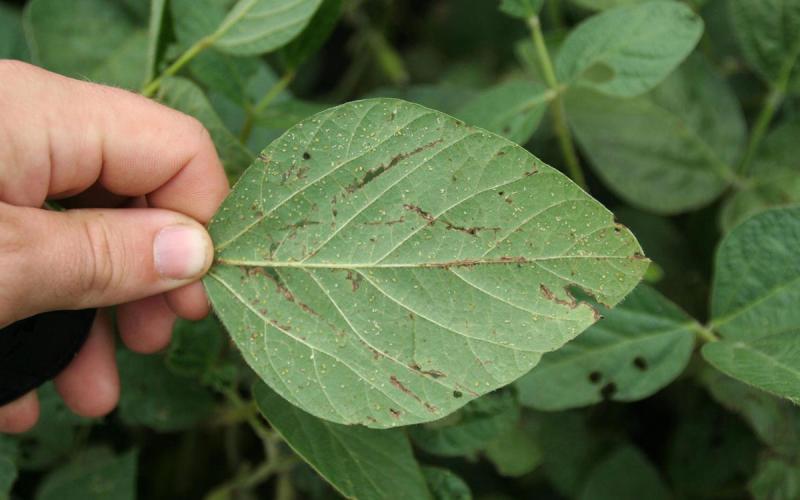
Should I Spray for Soybean Aphids at the End of August?
Soybean aphid populations are persisting in many soybean fields throughout eastern South Dakota. In many cases, these soybean aphid populations are either at the 250 aphids per plant threshold, or very close.
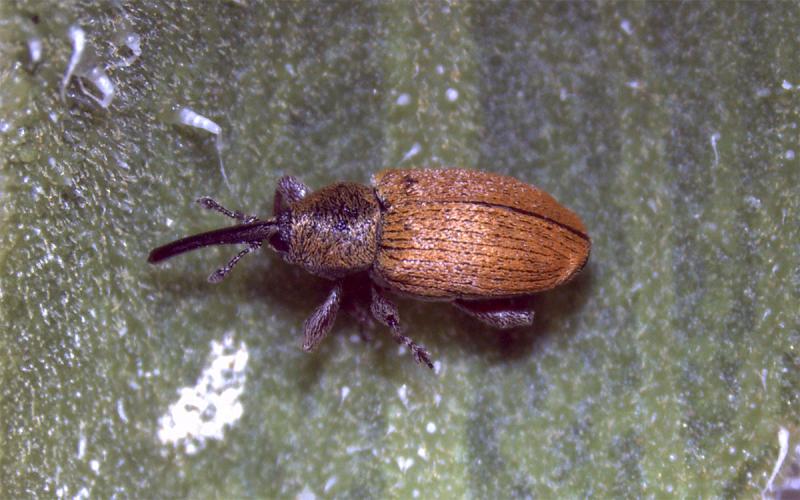
Did Malathion Effectively Manage Your Red Sunflower Seed Weevils?
Now that the August 31 deadline for the application of products containing malathion for red sunflower seed weevil management has passed, it is time to determine if the product was effective. South Dakota State University entomologists have received varying reports on this topic.
West Nile Virus Update: September 3, 2025
As of August, the South Dakota Department of Health indicated that West Nile Virus positive mosquito pools have been detected in Beadle, Brookings, Brown, Codington, Hughes, Lincoln, and Minnehaha counties.
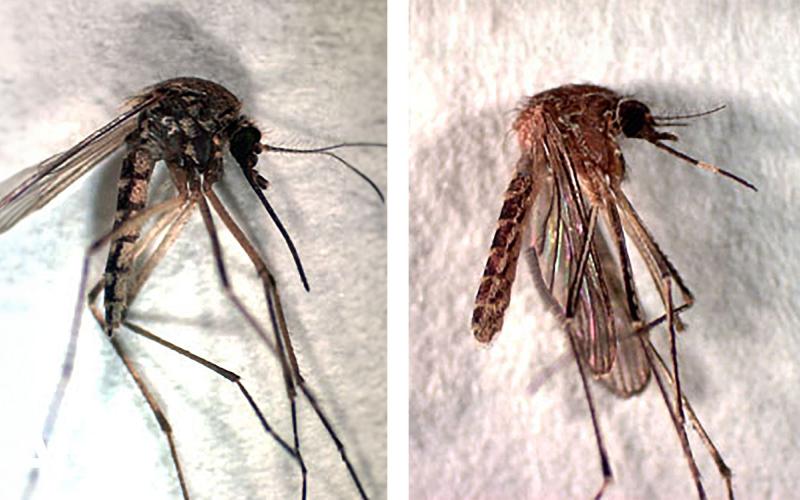
Mosquitos to Watch for in South Dakota
After many areas in South Dakota experienced heavy rainfalls, mosquitos are now a major issue. Learn which species are most common throughout the state and which carry the highest risk for West Nile Virus.
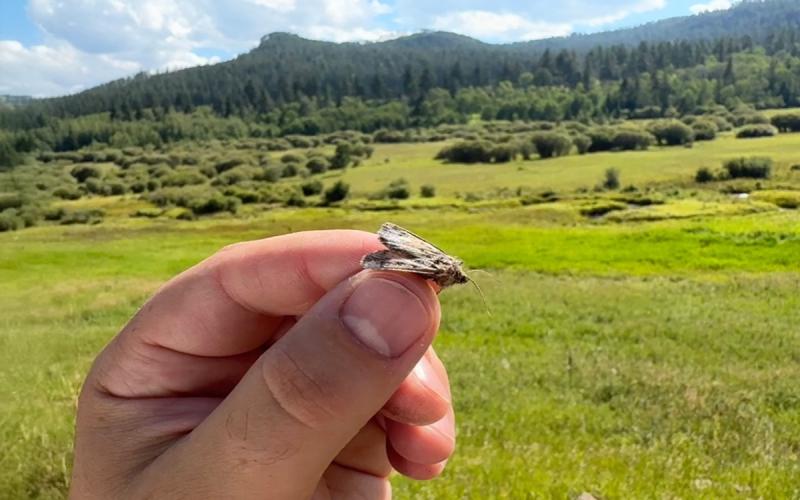
Army Cutworm Migration Swarms Detected in Western South Dakota
Mass populations of army cutworm moths are being reported to entomologists at South Dakota State University. Thus far, these migratory swarms have only been observed in far western South Dakota, particularly within the Black Hills.