Insect & Pests
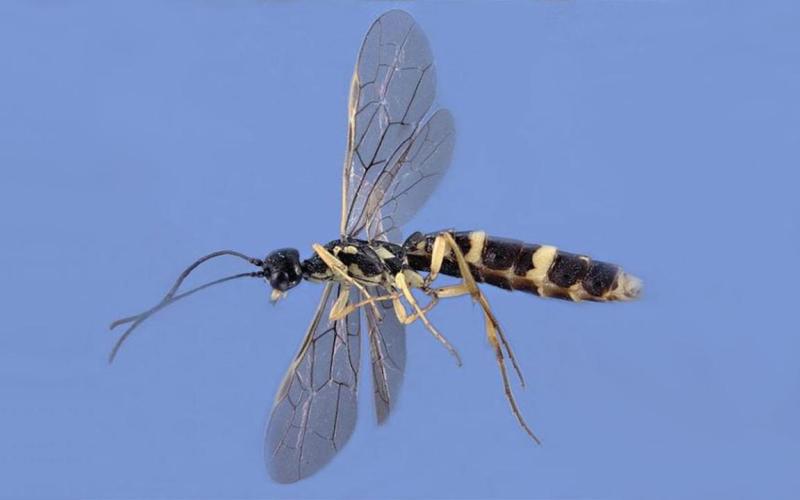
Wheat Stem Sawfly Adults Observed in South Dakota
During the 2024 wheat stem sawfly survey, wheat stem sawfly adults were captured in northwestern South Dakota. Observation is used to determine areas where solid stem wheat varieties should be considered.
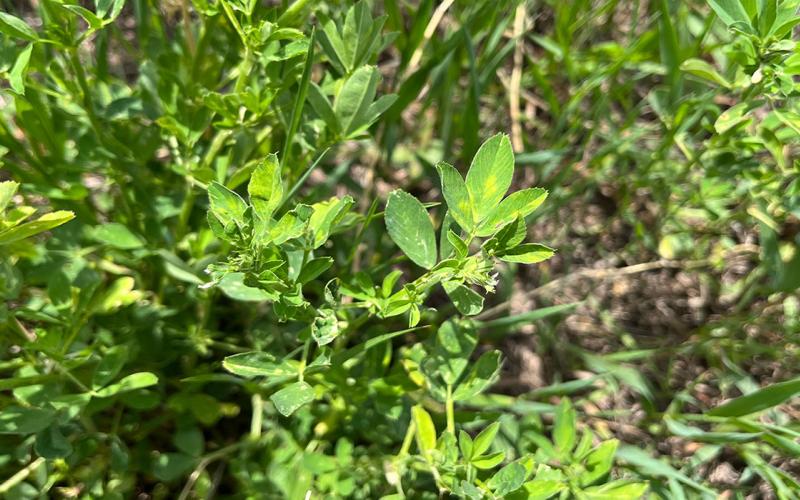
Potato Leafhoppers Becoming Prevalent
Potato leafhoppers are a migratory pest that impact South Dakota alfalfa each year. At this point in the growing season, they have become established and are now causing widespread issues.
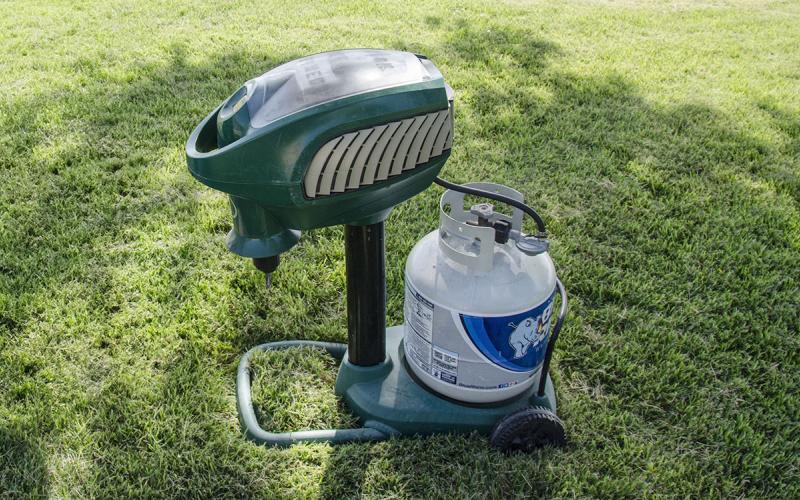
These mosquitoes are awful! What can I do in my backyard to manage them?
Mosquitoes are out in force across much of South Dakota. While there are steps you can take to prevent bites, there are also chemical and non-chemical options available for backyard mosquito control.
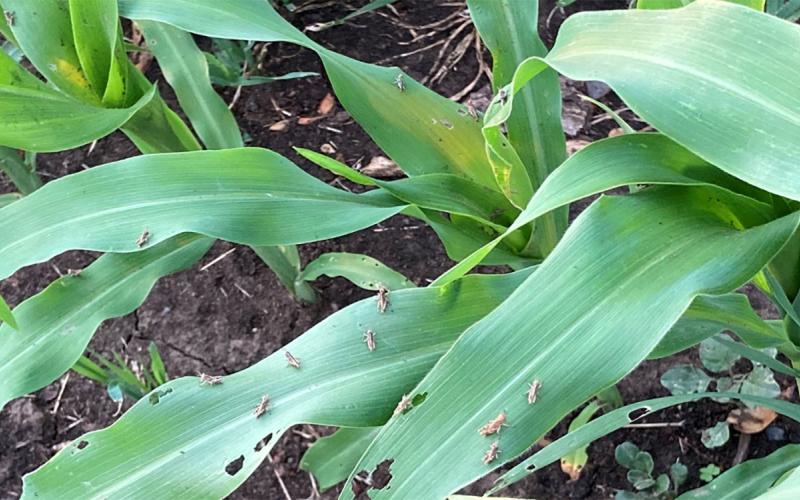
Monitor Crops for Grasshopper Activity
Abundant precipitation throughout much of South Dakota has resulted in less grasshopper observations. However, in areas where grasshoppers were an issue in 2023, they are starting to show up again.
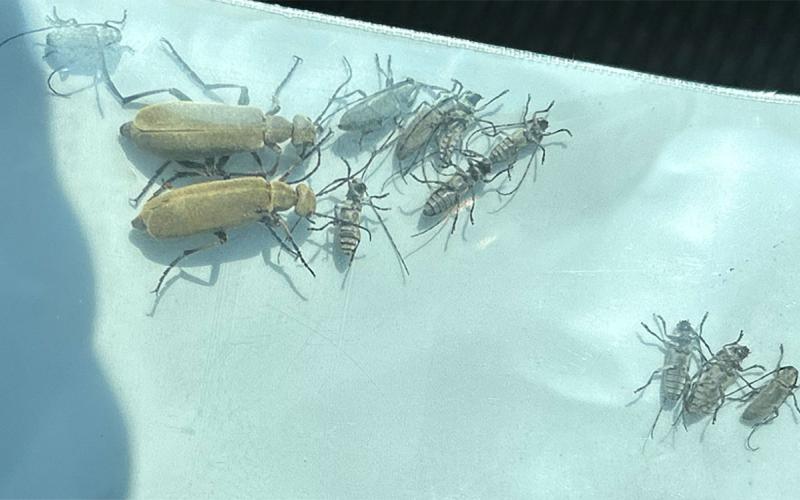
Dectes Stem Borer Adults Are Active in Soybean
SDSU Extension is again surveying soybean in South Dakota for Dectes stem borer adults. After a slow start this growing season, large populations of beetles were observed in soybeans last week.
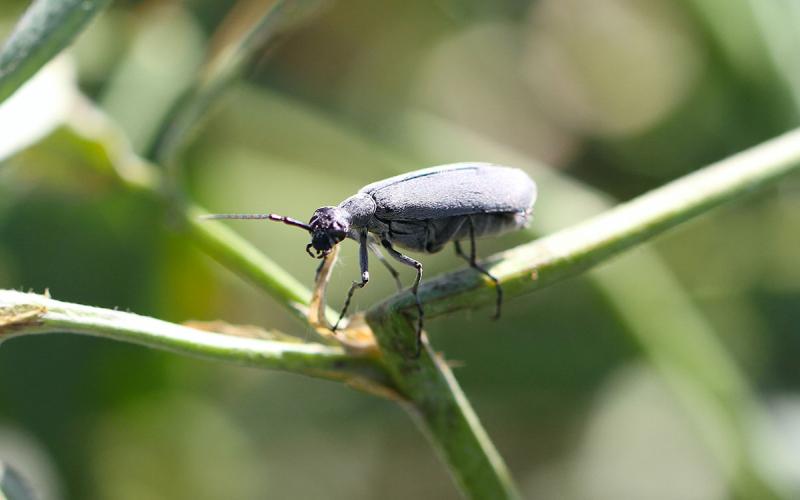
Blister Beetles Are Ramping Up
Within the past week, blister beetles have become a common appearance in South Dakota alfalfa. While we managed to avoid early infestations this year, fields should now be monitored prior to harvest for the remainder of the growing season.
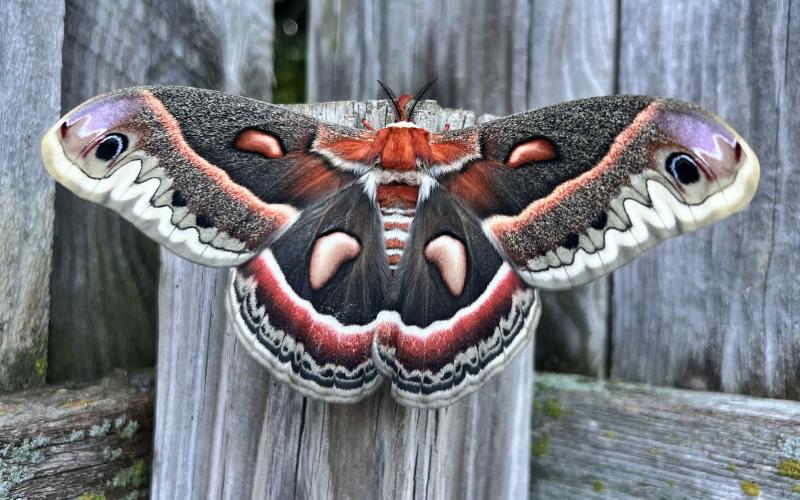
SDSU Extension, McCrory Gardens host Moth Walk as part of National Moth Week
July 09, 2024
South Dakota State University Extension and McCrory Gardens in Brookings are joining moth enthusiasts around the world in celebrating National Moth Week with its annual Moth Walk.
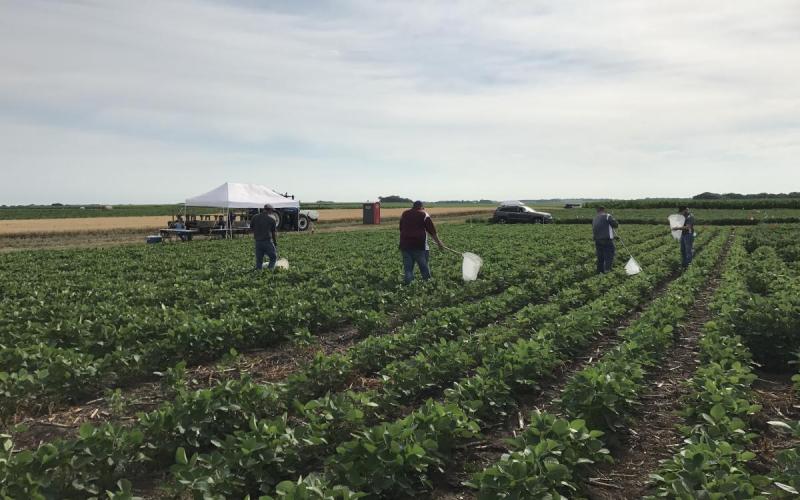
SDSU Extension hosting Integrated Pest Management Field School
July 08, 2024
South Dakota State University Extension will host an Integrated Pest Management Field School on July 23, 2024, by Volga.
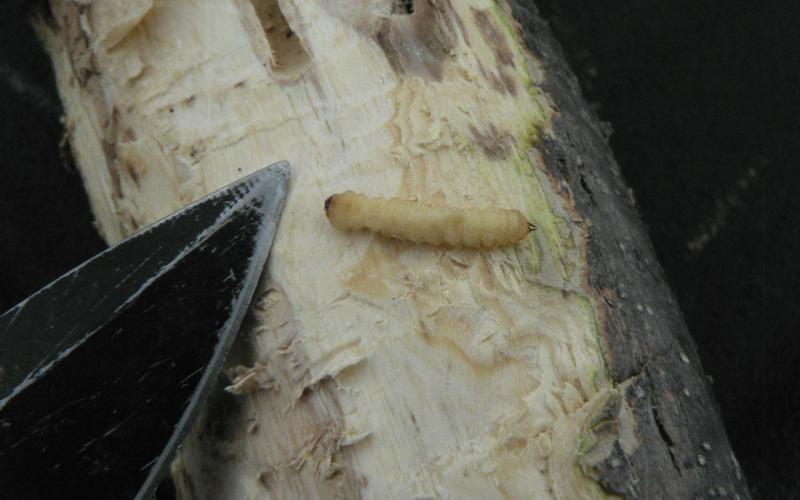
Emerald Ash Borer Confirmed in Brookings
July 03, 2024
SDSU Extension and the South Dakota Department of Agriculture and Natural Resources have confirmed emerald ash borer in Brookings, South Dakota.
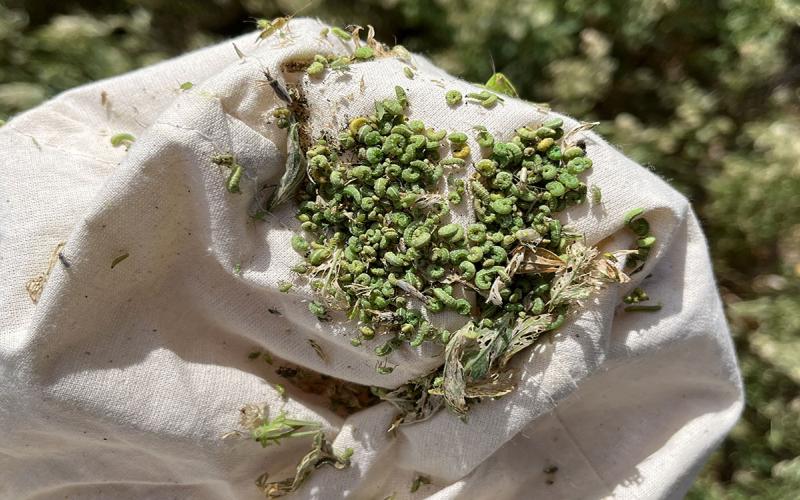
Alfalfa Weevil Activity Prediction Update: June 19, 2024
Across South Dakota, degree day estimates indicate that alfalfa weevil activity should be completed. However, our field observations this week suggest otherwise.