Garden
All Garden Content

2023 Evaluation of Newly Established Clover Cover Crops as a Living Mulch for Sustainable Broccoli Production in Eastern South Dakota
Research report on observing the performance of three different clover species used in a broccoli production system.

Choosing Vegetable Varieties for South Dakota
Fact sheet describing characteristics to look for when selecting a vegetable variety to grow in South Dakota.
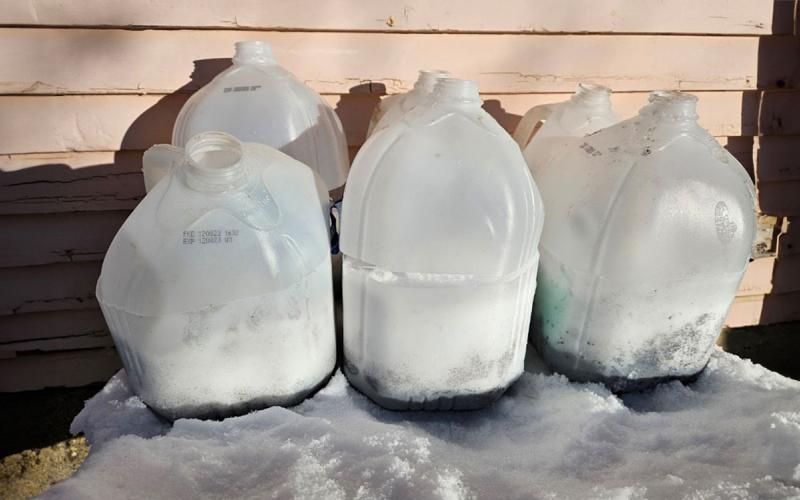
Winter Sowing in the Northern Great Plains
Winter sowing is a technique used to start seeds that have a requirement for cold stratification, including many native perennials. View some expert tips and a step-by-step guide for getting started.
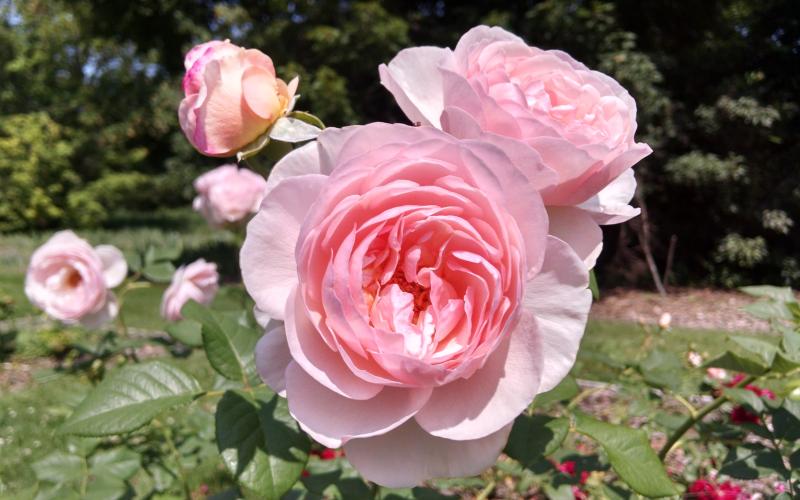
SDSU Extension, McCrory Gardens host free series on caring for roses
February 20, 2024
The Caring for Roses in South Dakota webinar series is from 12:30 to 1:30 CST/11:30 to 12:30 p.m. MT on March 19, 20 and 21, 2024, via Zoom. Experts will share the art and science of caring for roses, highlighting their own experiences with the popular plant.
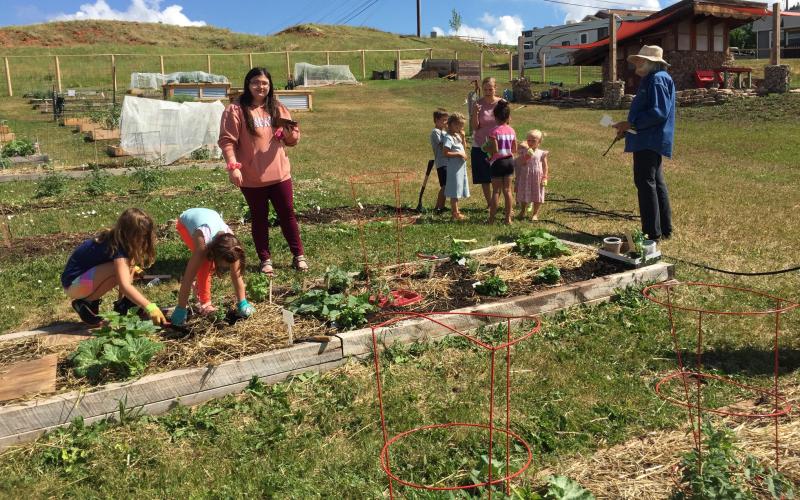
Apply now for the SDSU Extension Master Gardener and Home Horticulture course
February 12, 2024
Applications are now being accepted for the South Dakota State University Extension Master Gardener and Home Horticulture training course. Applications are due March 10, 2024.
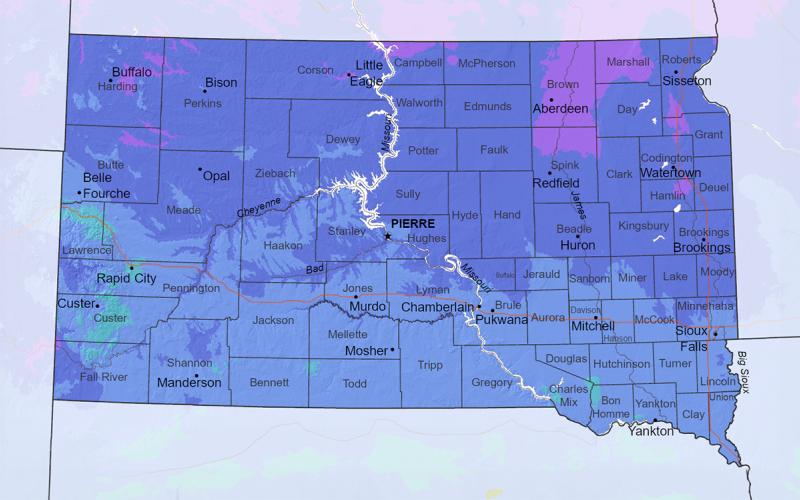
2023 USDA Plant Hardiness Zones
Winter and spring are a great time for planning new garden and landscape designs. Learn how recent updates to the USDA Plant Hardiness Zones may have South Dakota gardeners feeling extra adventurous when selecting new plants for their gardens this season!
SDSU Extension to host virtual training series on vegetable production
January 16, 2024
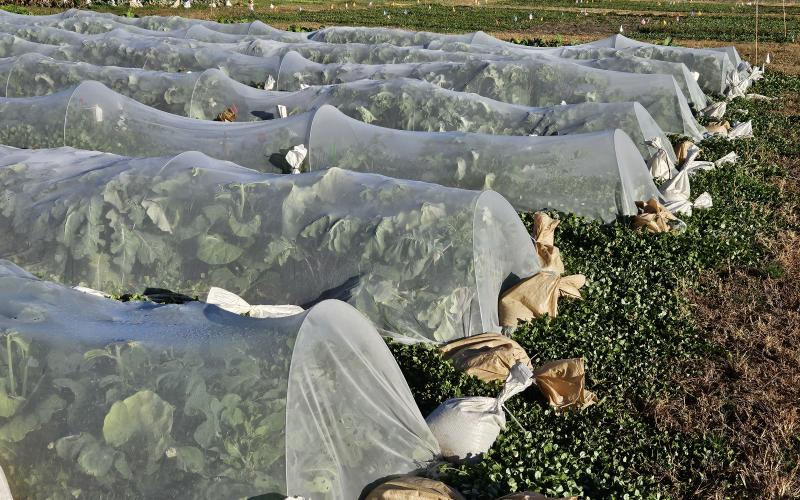
The second annual South Dakota Virtual Vegetable Short Course topics will include cover crop integration, soil health improvement, weed management and integrated pest management for field and high tunnel production. The four-part educational series will take place via Zoom from 6 to 7:30 p.m. MT/7 to 8:30 p.m. CST on Jan. 22, 24, 29 and 31, 2024.
Community Gardens: Lease Agreements
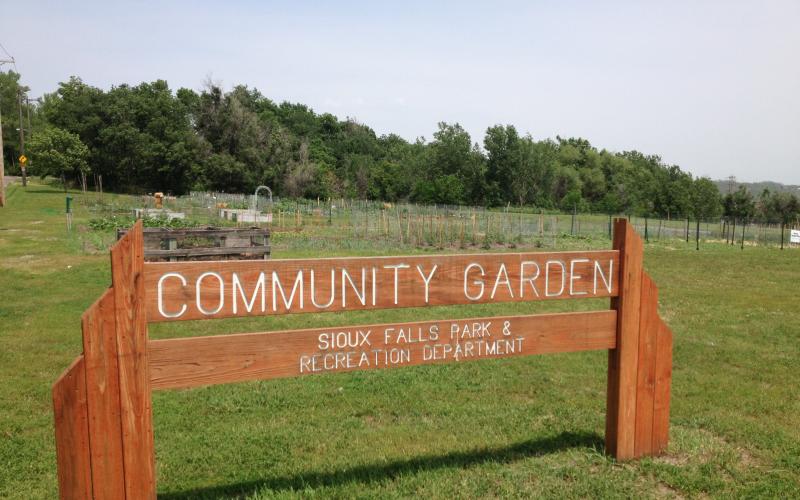
Once the location of your community garden has been determined, it is suggested that you draft a lease agreement outlining the expectations and responsibilities of the community garden group and the landlord.
SDSU Extension welcomes new horticulture assistant at McCrory Gardens
November 08, 2023
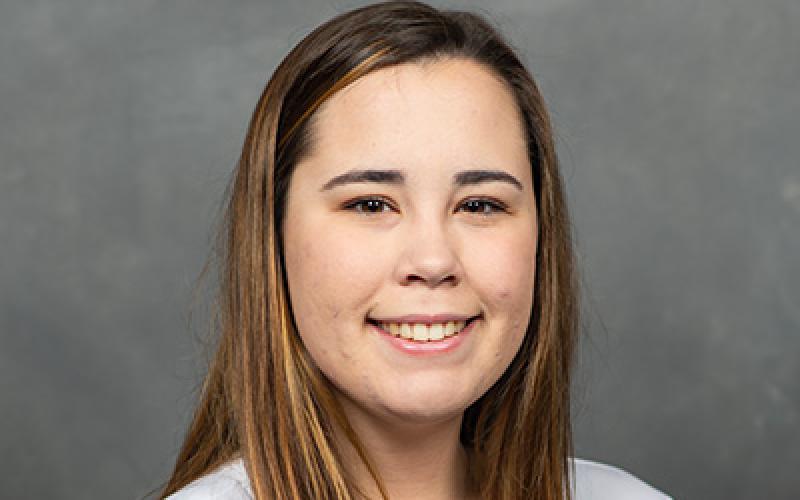
South Dakota State University Extension is pleased to announce Sydney Trio as a new Horticulture Assistant based at McCrory Gardens in Brookings.
Eat What You Grow
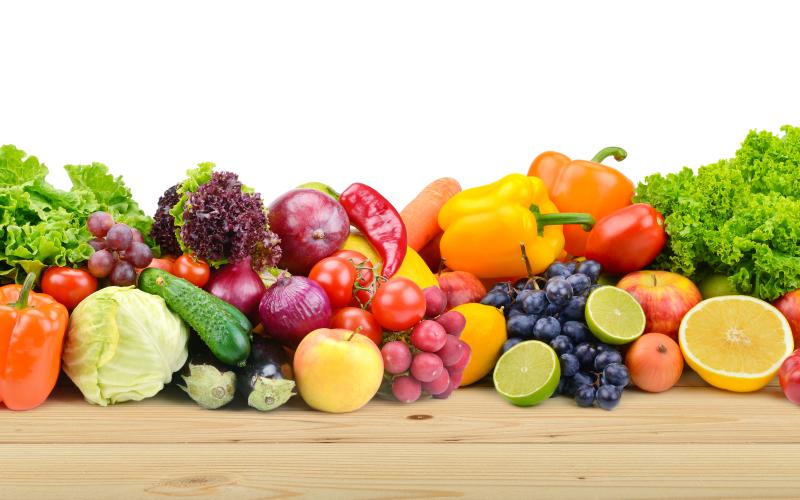
Youth will learn the different parts of plants that we eat, and how to use drying and freezing techniques to preserve foods for later use.