Food Preservation
All Food Preservation Content
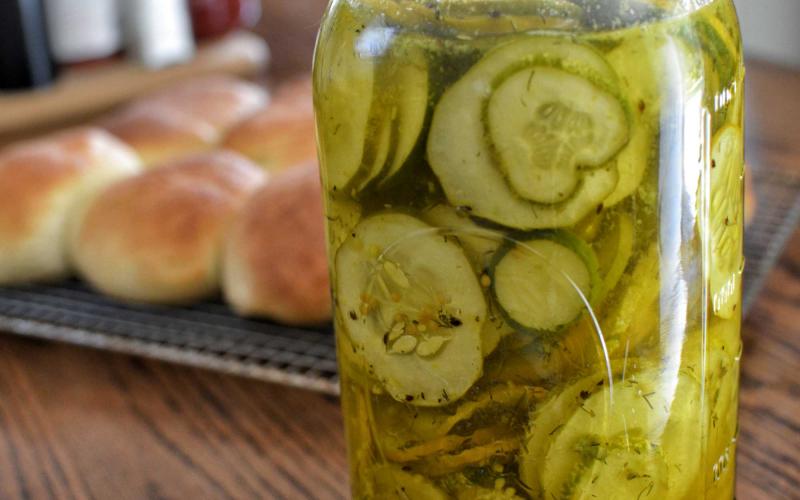
Bread-and-Butter Pickles
Try this research-tested recipe for bread-and-butter pickles courtesy of the National Center for Home Food Preservation.
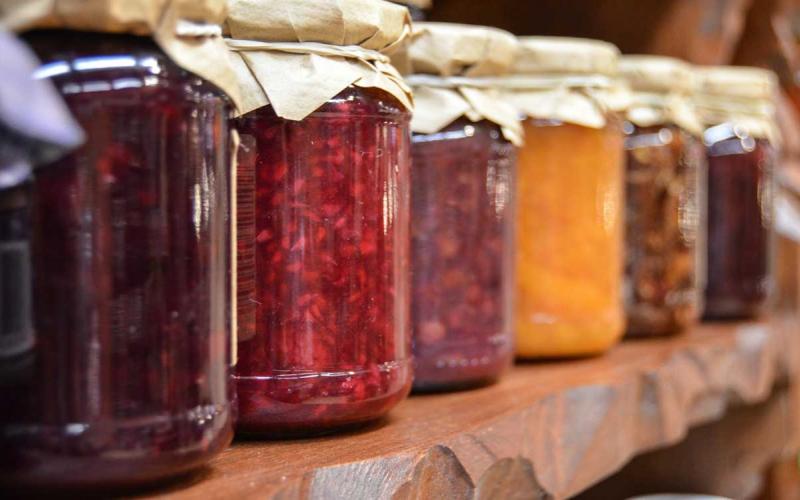
Canning Jams and Jellies
Sweet fruit products like jelly, jam, preserves, conserves and marmalades are jellied or thickened and preserved by sugar. The differences between the fruit products are categorized by the way they are prepared, proportions of fruit, pectin, acid and sugar in the mixture and the method of cooking.
SDSU Extension offers training on updated Cottage Food Laws
October 23, 2023
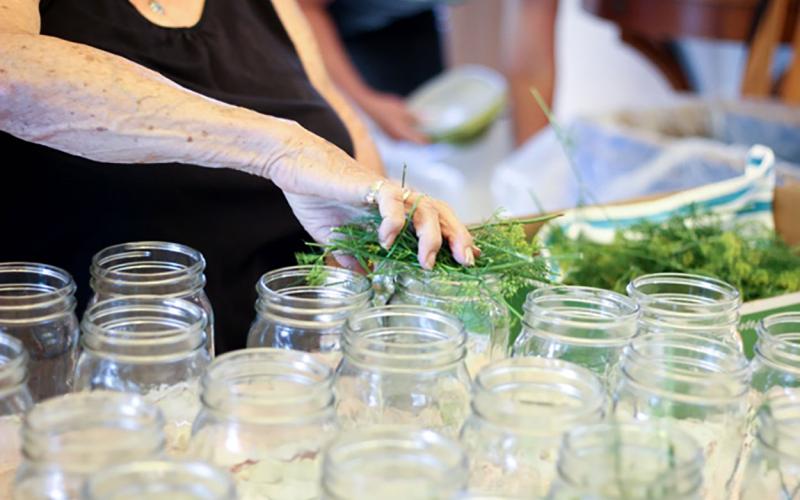
South Dakota State University is providing training for food processors who would like to sell food products from their homes following updates to the state’s cottage food laws earlier this year.

Requirements for Food Entrepreneurs Selling Food in South Dakota
Throughout the country and in the state of South Dakota, people are showing more interest in selling their own food products and starting their own business
Labeling of Prepared and Processed Foods in South Dakota
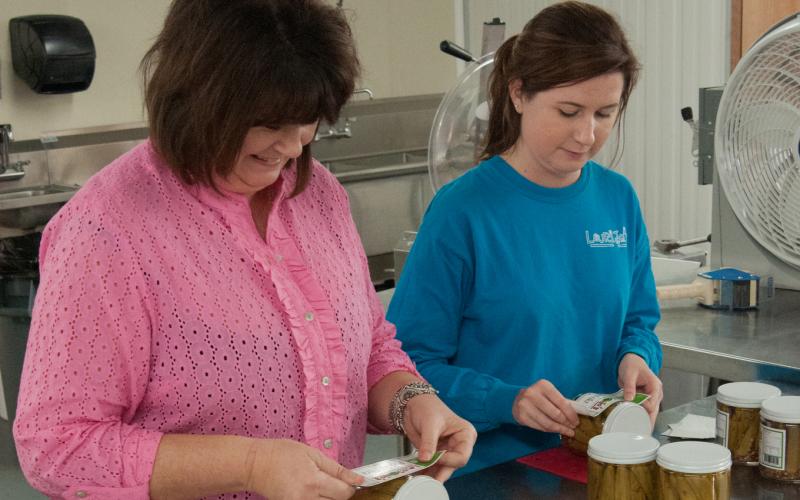
Labeling requirements vary in accordance with the type of food that is being sold and in several instances how or where it was prepared or processed.
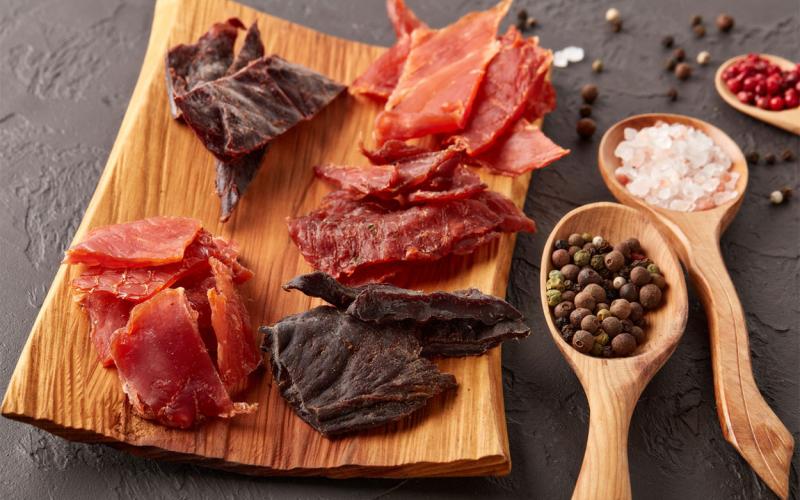
Home-Dried Jerky: Process and Tips
Making jerky is a great way to enjoy a variety of meats for months to come! It requires no refrigeration and can be made from any lean meat, such as beef, pork, bison and venison.
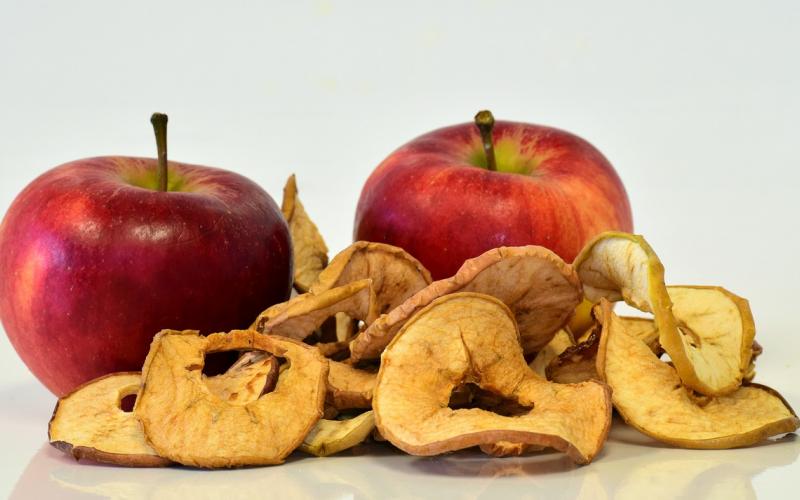
Dehydrating Apples
A food dehydrator is a good choice for drying apples and can be used at any time. It is a small appliance that has an electric element for heat with a fan and vents for air circulation.
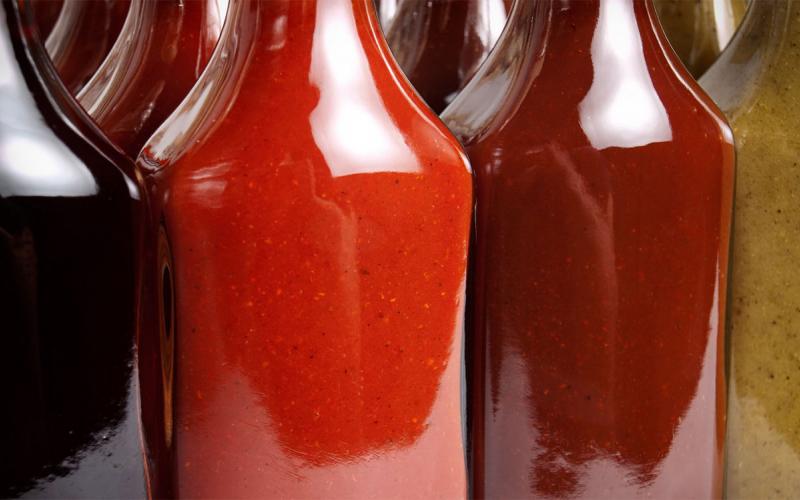
How to Make a Safe Hot Sauce
Hot sauces can be made to with a combination of several different ingredients to give unique flavors and heat that consumers enjoy. There are many considerations that should be made on how hot sauces are processed, formulated and packaged.
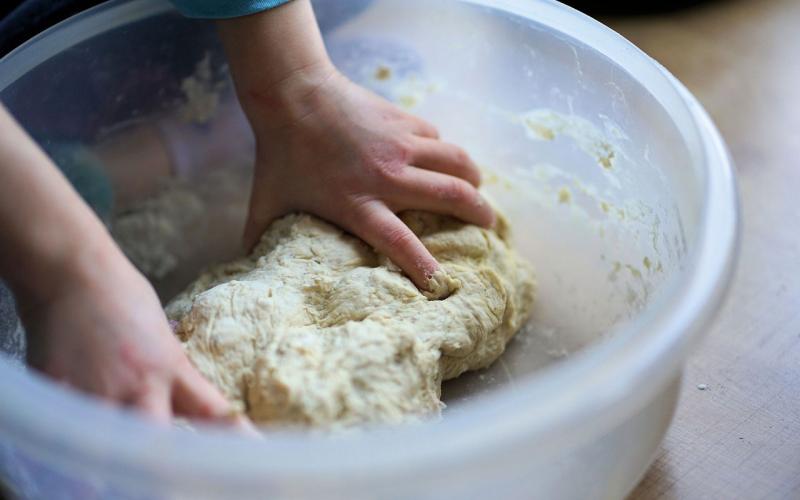
Hydrated Doughs and Batters: How to Safely Handle Food Safety Risks
Making dough and batter is one of the intermediary steps on your way to enjoying great foods, such as scones, cookies, cakes, donuts, pies and more. This article will help you understand the food safety risks associated with food types that have a hydrated batter.
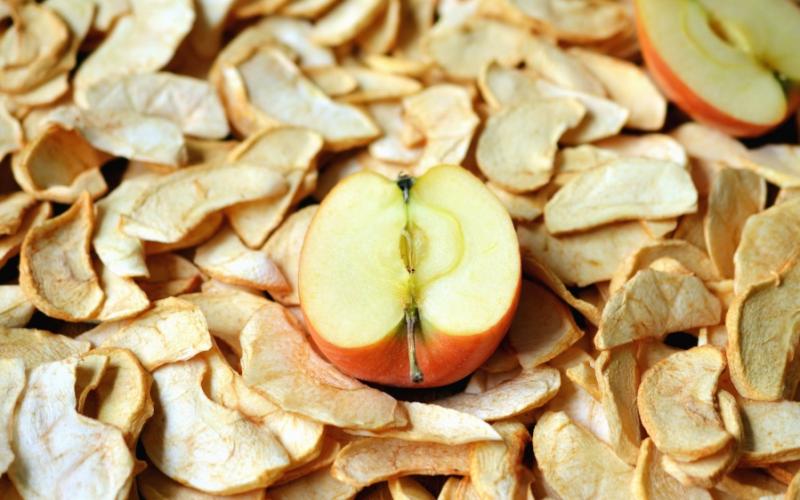
Extend the Life of Your Produce: Dry Your Food!
Drying or dehydrating gives you the ability to extend the life of your fresh foods to enjoy later.