Farm Management
All Farm Management Content
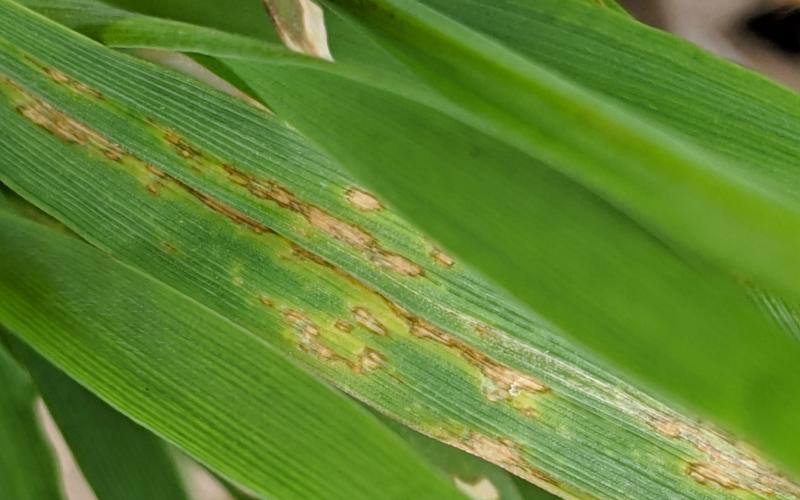
Bacterial Leaf Blight Developing in Winter Wheat
Recent winter wheat scouting found bacterial leaf blight developing in some fields. Bacterial leaf blight is caused by the bacteria, Pseudomonas syringae pv. syringae. The disease develops under frequent rains between 59 and 77 degrees Fahrenheit.
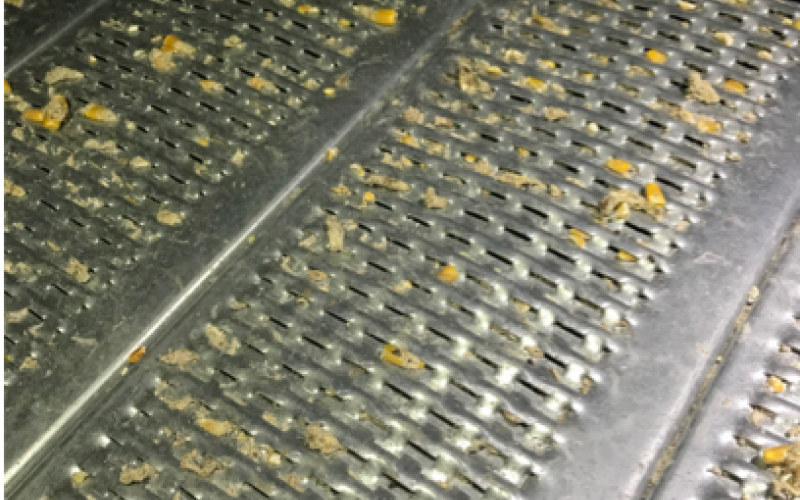
Stored Grain Pests: Spring Insect and Disease Issues
Grain storage is a key component in getting your crop to market. Aside from watching bins for spoilage, moisture, and temperature changes, make sure you are looking for signs of pest infestation.
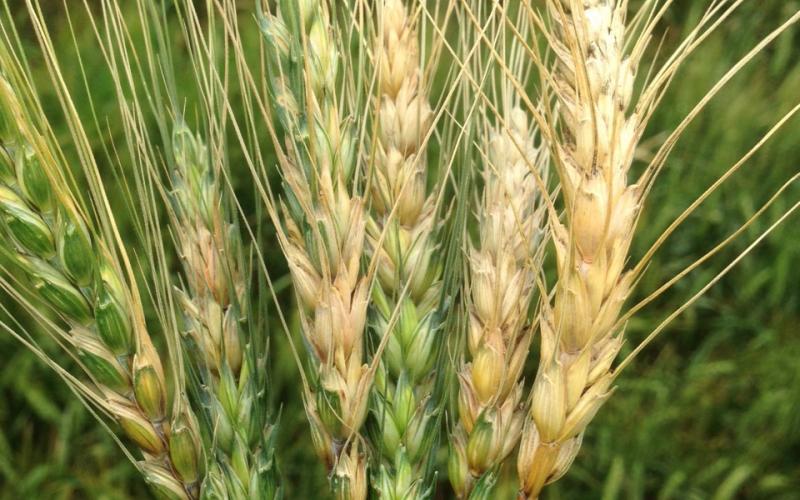
Wheat Stem Maggots Observed in S.D. Wheat
While scouting wheat fields throughout South Dakota, we have started noticing the presence of bleached heads scattered throughout many different fields. These discolored heads are the result of an infestation of the wheat stem maggot.
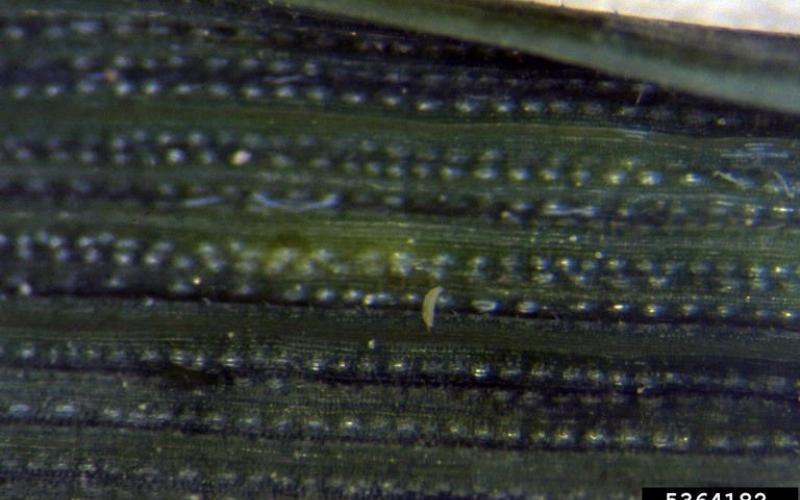
Managing Wheat Curl Mite
Wheat curl mite is one of the more difficult pests to manage in wheat. This is in part due to the limited options available for preventing populations from infesting a field and rapidly reproducing.
The Power of Women as AgVocates Rescheduled to March 4 and 5
February 08, 2022
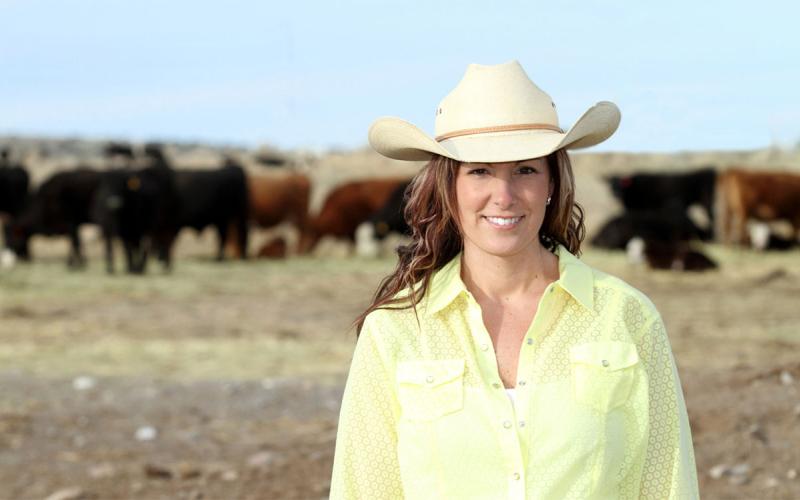
The Power of Women as AgVocates Conference has been rescheduled for March 4-5, 2022 in Fort Pierre, South Dakota at the Casey Tibbs Rodeo Center and the Missouri Avenue Event Center in Pierre.
SowBridge Educational Series Kicks off February 2
January 26, 2022
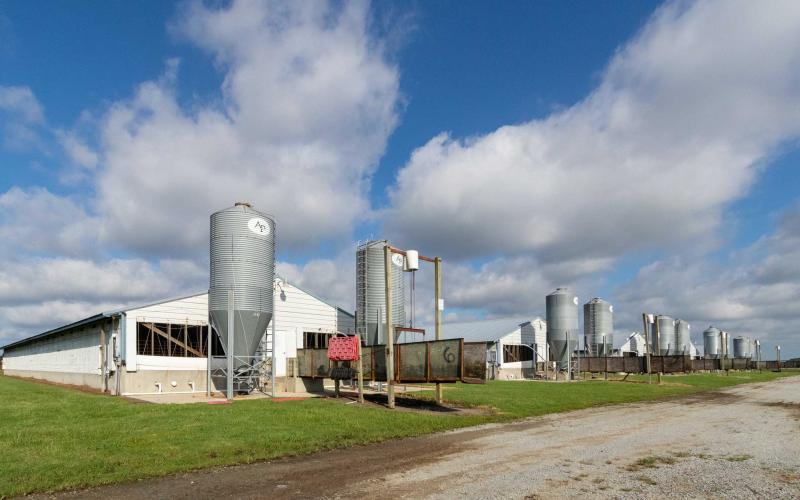
SowBridge, an online educational series created to provide the latest production-based information to swine producers, begins on Feb. 2, 2022.

Ready, Set, Manage Hay Differently
Feed is expensive and sometimes hard to find. Pasture prices, harvest expenses, hauling and waste add to the total feed bill. Evaluate your forage situation this winter and make changes that improve your profitability.
SDSU Extension to Kick Off Crop Hour Webinar Series in January
January 10, 2022
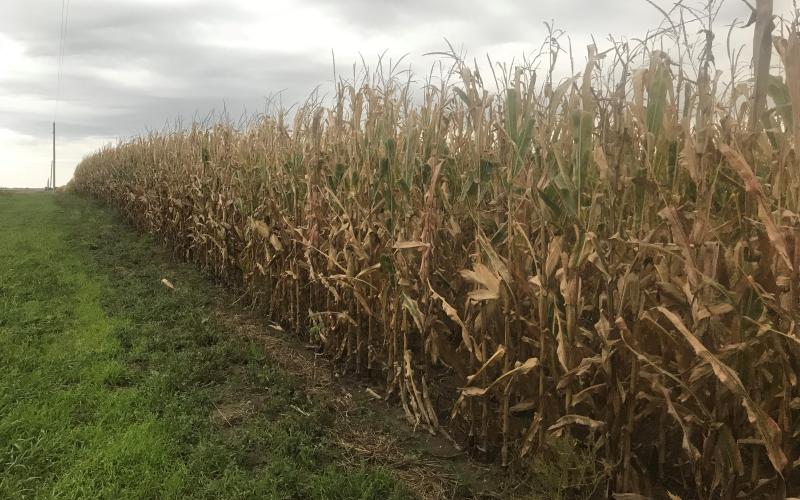
SDSU Extension will, once again, deliver a series of virtual Crop Hour webinars this winter. Starting Jan. 11, every Tuesday through Thursday from 10:00 a.m.-11:00 a.m. CST, participants are invited to take their coffee break online to hear the latest in crop management and agronomic research from SDSU Extension.

Creating Management Zones Using Electrical Conductivity
The first step to practicing zone management is to identify the variations that control yield. There are various methods for characterizing soil variations within a field, and among them, electrical conductivity measurement is one of the most-reliable.
SDSU Extension to Host Women on the Range Mini Winter Workshop
December 29, 2021
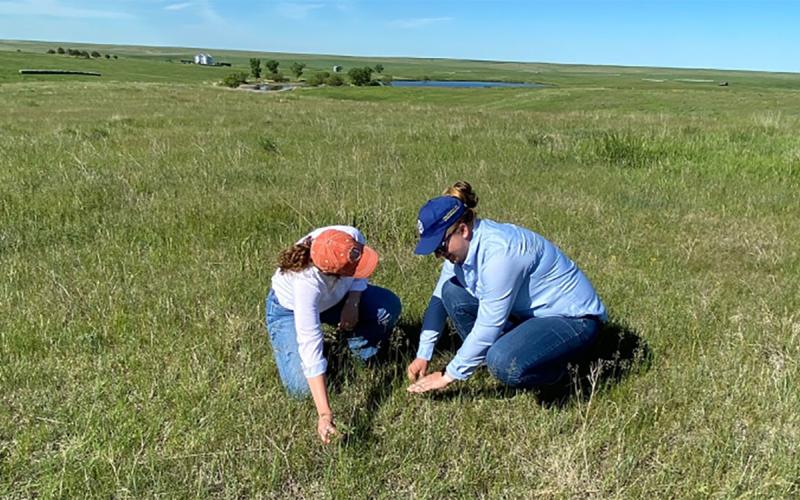
Women in agriculture across South Dakota are invited to attend a Women on the Range Mini Winter Workshop in Fort Pierre and Pierre, South Dakota, on Jan. 14, 2022. Participants will learn about the importance of soil health and how to integrate it into their grazing management systems, as well as available winter feeding methods that also create ecosystem benefits.