Farm Management
All Farm Management Content
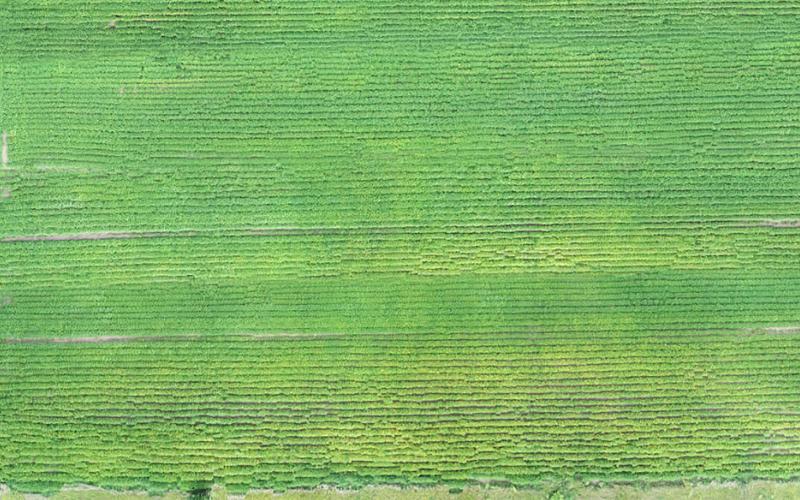
Early Yellowing in a Soybean Field May Indicate Presence of the Soybean Cyst Nematode
Some portions of soybean fields may show clusters of plants yellowing while the rest of the field is still green. One of the factors that could lead to soybean plants showing early yellowing in clusters is soybean cyst nematode (SCN).
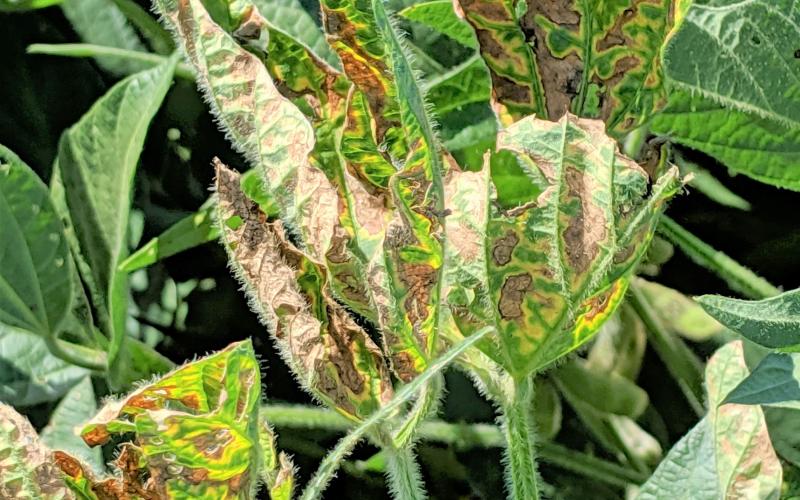
Sudden Death Syndrome Starting to Develop in Soybeans
Sudden death syndrome of soybean is starting to develop in soybean fields in South Dakota. Fields currently being found with sudden death syndrome have symptomatic plants scattered within the field, but continued disease development may lead to larger clusters of infected plants.
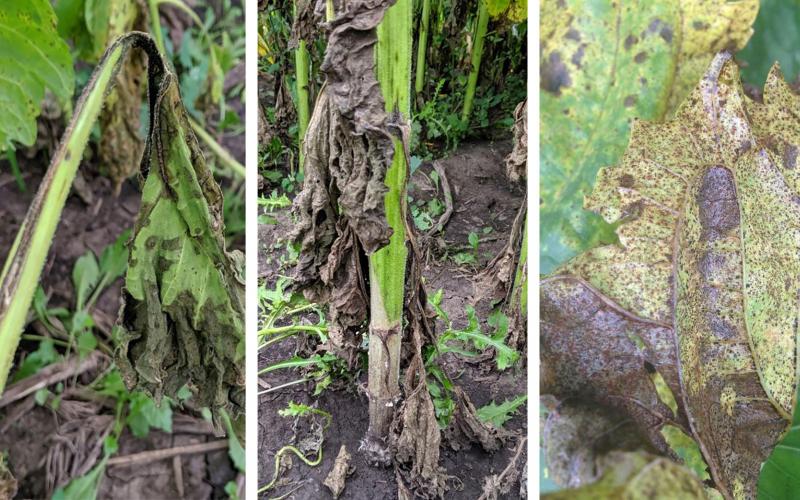
Bacterial Stem Rot, Sclerotinia Basal Rot and Sunflower Rust Developing in Sunflower
Sunflower scouted this week in Brookings and Kingsbury counties were found with bacterial stem rot, Sclerotinia basal rot and sunflower rust. This area has had plenty of moisture, which favors several diseases to develop in sunflower.
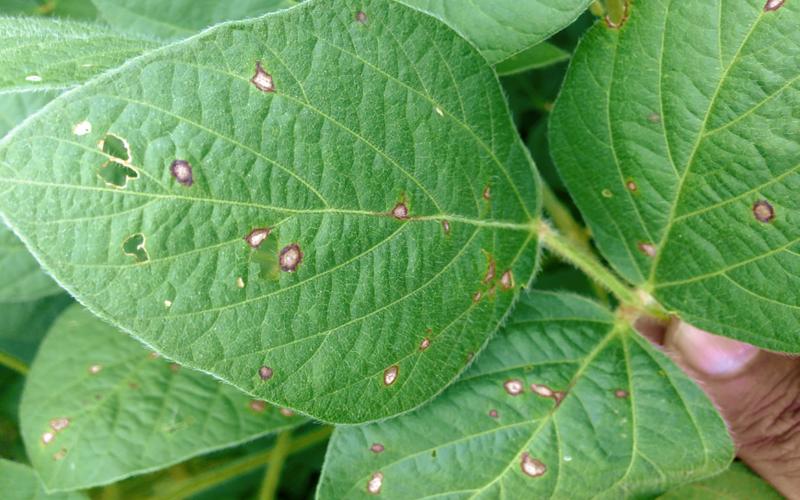
Frogeye Leaf Spot Developing in Soybeans
Frogeye leaf spot, also known as Cercospora leaf spot, was found in several soybean fields scouted the week of August 19, 2019. Frogeye leaf spot is characterized by irregular to circular lesions, which are tan-to-gray in color with reddish-purplish borders.
Pre-Plant Disease Management Considerations
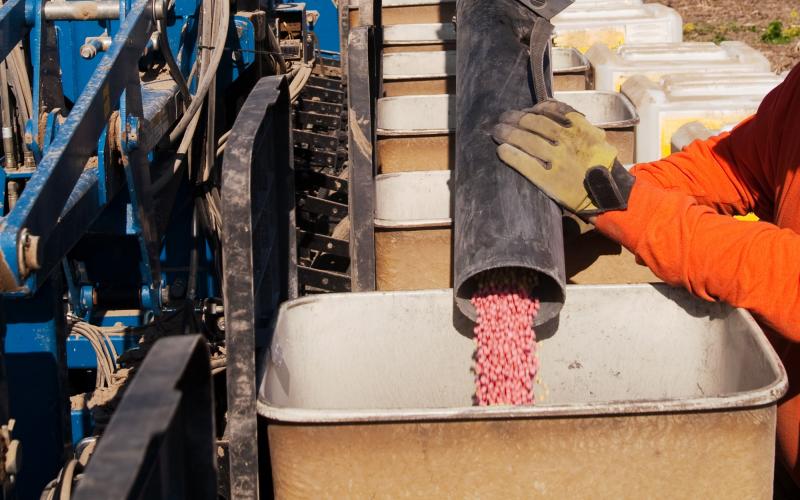
If the forecast holds true, it looks like it is going to be another year of excessive soil moisture and possible flooding come this spring. The increased level of soil moisture has implications with regards to plant stand establishment as well as root rot and nematode infestations.
Assess Your Fields for Ergot and Fusarium Head Blight Before Harvest
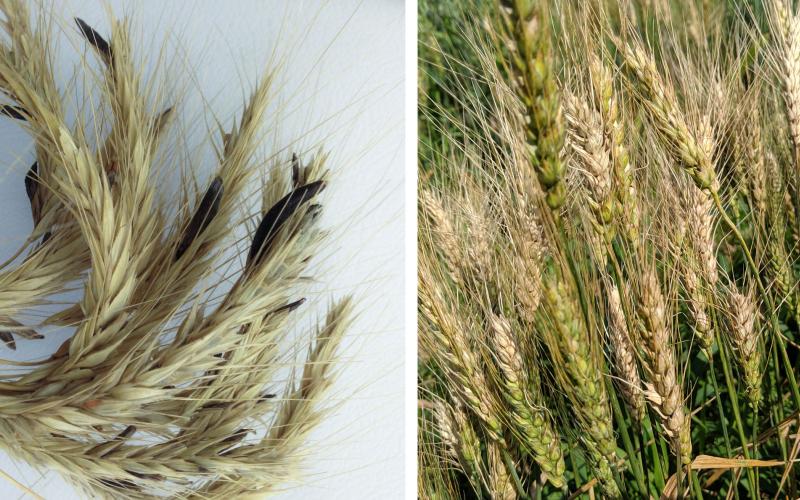
The 2019 wheat harvest is well underway in South Dakota, with many acres of winter and much of the spring wheat crop left to harvest. To date, reports on yield and quality have been variable, depending on when the crop was seeded, weather conditions at important growth stages (such as flowering and grain fill) and disease pressure throughout the season.
Winter Wheat Disease Update: Leaf Diseases and FHB on the Increase
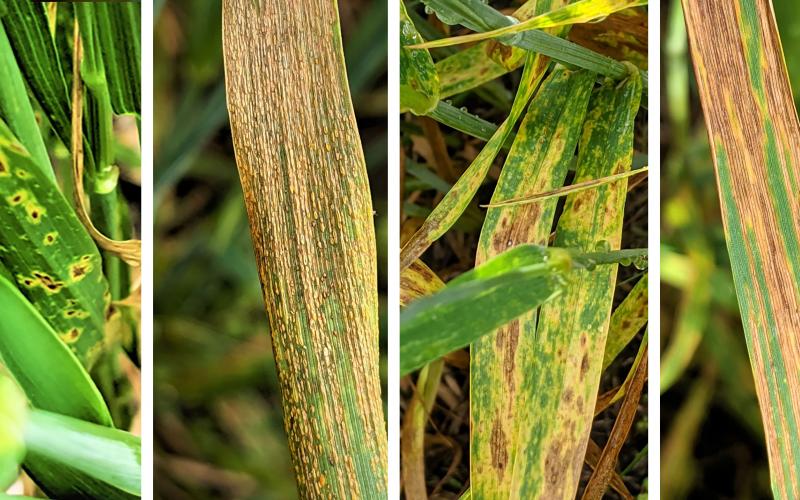
Winter wheat fields scouted last week show an increase in fungal leaf diseases and bacterial leaf streak. Among the fungal diseases, the most common leaf diseases are tan spot, Stagonospora leaf blotch, and stripe rust. The risk for Fusarium head blight has also started to increase in a number of areas in the state.
Northern Corn Leaf Blight Developing in Corn
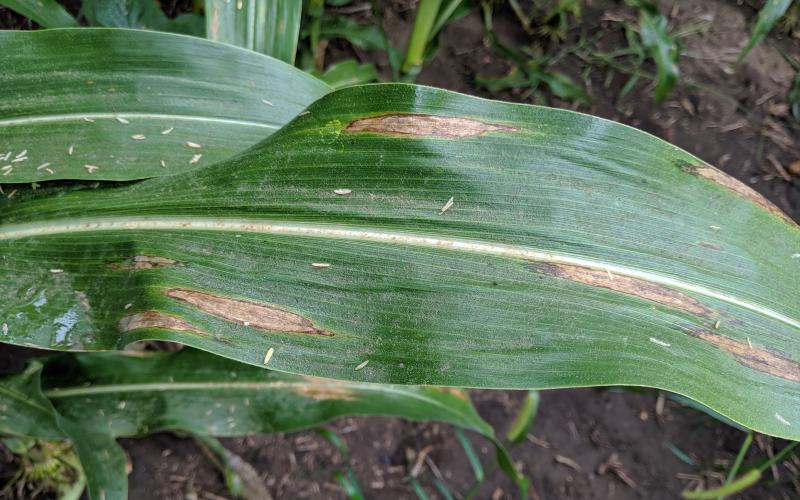
Northern corn leaf blight was found in a few corn fields scouted recently. The disease was found at very low severity, except occasionally when an individual plant was found with several lesions on one leaf.
Goss’s Bacterial Blight Beginning to Show Up in Corn
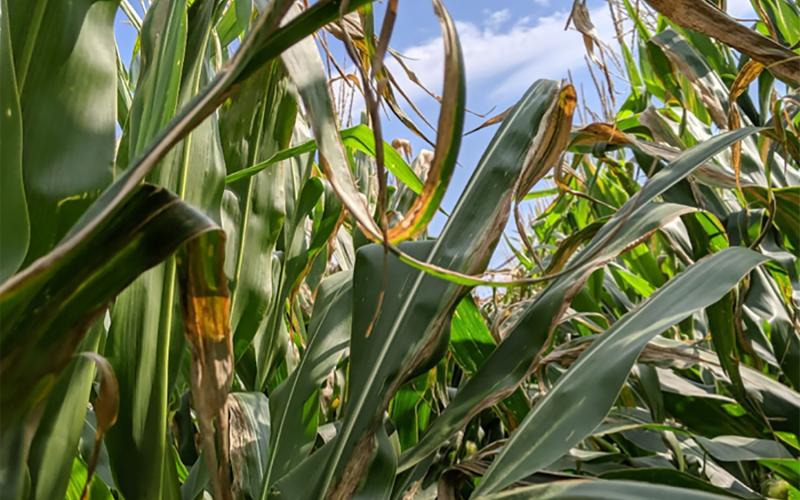
Goss’s bacterial blight was found in a few corn fields scouted the week of August 5, 2019. The severity ranged from low to moderate, where at least 25 percent of the leaf area was killed by the bacteria infection on several plants. The disease is characterized by long, tan-gray lesions with wavy margins found in the center of the leaf or along the edges of the corn leaf blade.
Holcus Spot or Plant Injury?
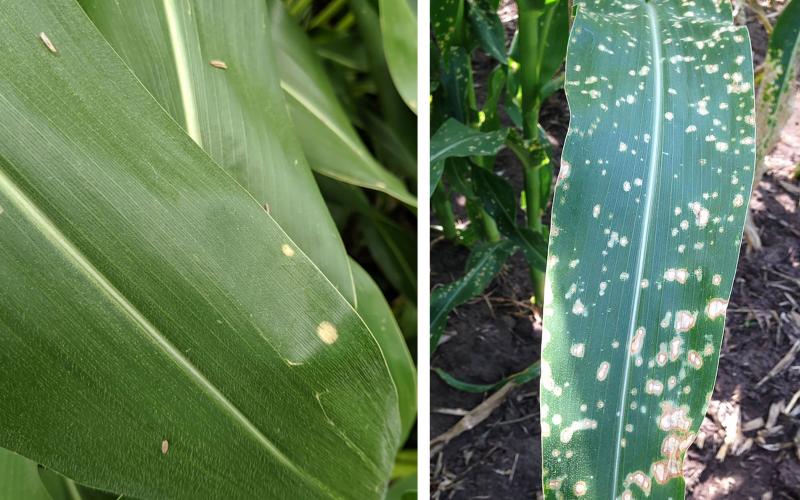
Is your corn developing spots? Corn fields have been found with what appears to be Holcus spot, a bacterial disease. Upon further investigations, the leaves were found to be negative for any plant pathogens.