Farm Management
All Farm Management Content
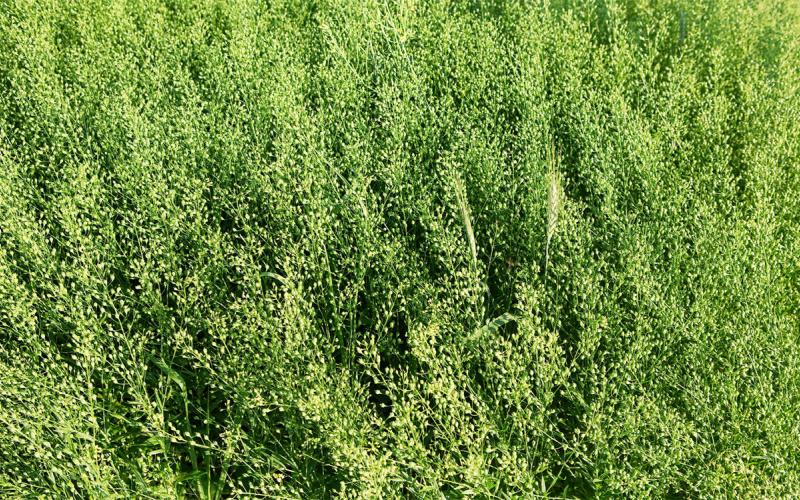
Spring and Winter Camelina in South Dakota
In the semi-arid, western portion of South Dakota, camelina has potential value as a fall-seeded cover crop, providing flexibility in crop rotations for improving soil health.
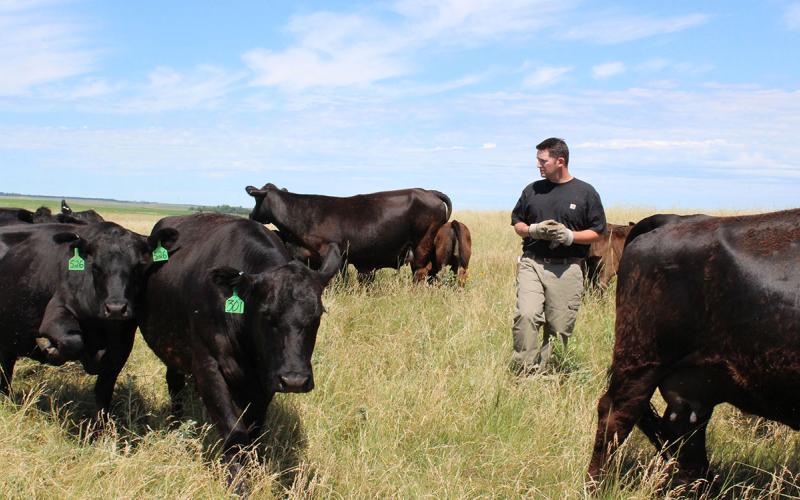
Management-Intensive Grazing Plays a Key Role in Expanding Grass-Based Agriculture
By improving livestock carrying capacity and reducing feed costs, grazing strategies at greater management intensity have the potential to improve grass-based livestock production profits.
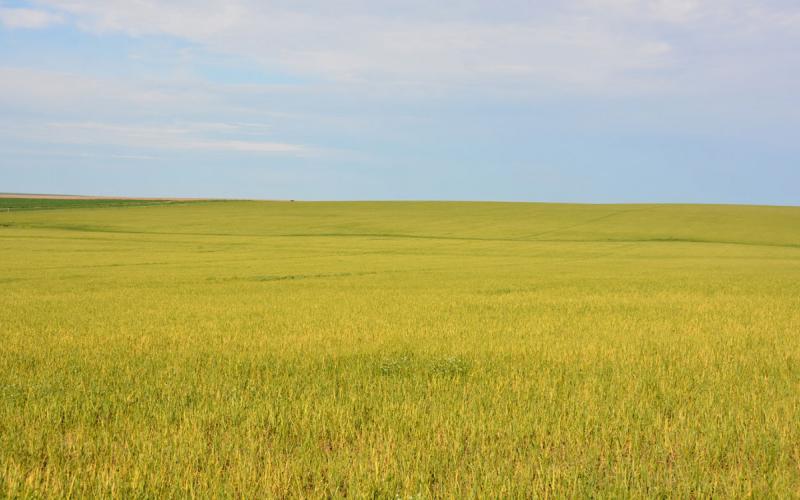
Pre-Plant Wheat Streak Mosaic Disease Management Strategies
Drought conditions tend to promote high wheat curl mite populations. Wheat streak mosaic virus and other viruses transmitted by wheat curl mites are best managed through cultural practices performed before planting.
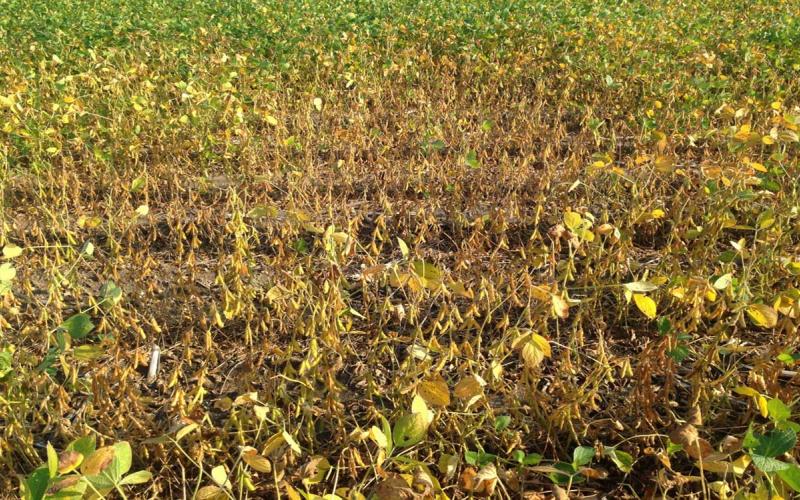
Scout for Charcoal Rot in Early Senescing Parts of the Field
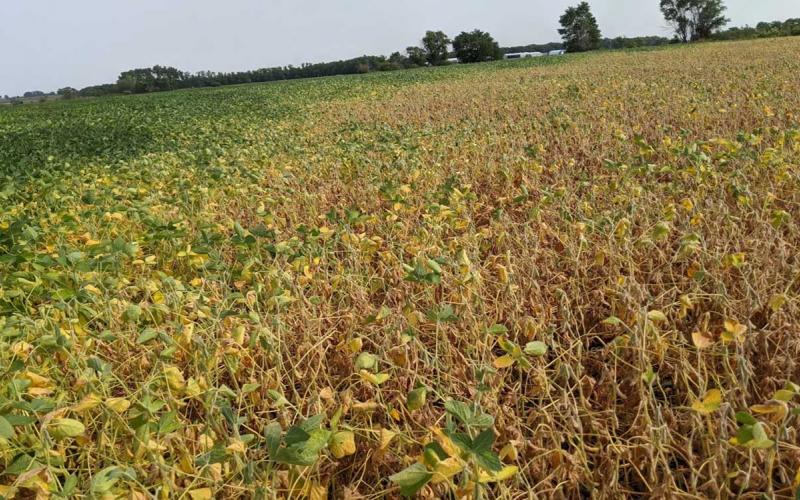
The drought conditions in the past few weeks have led to some soybean fields senescing early. However, some of the early senescing may be due charcoal rot.
Drought Stress or Stem Canker Killing Soybean Plants?
Several soybean fields scouted in a number of Eastern counties have plants dying or dropping leaves prematurely. While the majority of these fields have drought stress causing early senescence, a few fields have also stem canker developing
Winter Wheat Diseases Update
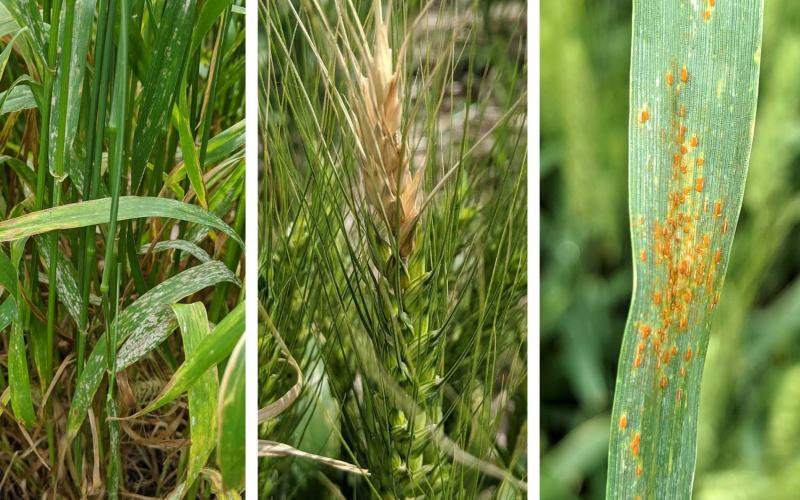
Powdery mildew, fusarium head blight and leaf rust were observed in a few winter wheat fields recently scouted. The recent rainfall showers and warm temperatures have favored these diseases to develop in winter wheat.

Crazy Top Disease Developing in Corn
Crazy top disease was observed in a few fields in the Southeast counties in the state. This disease develops in corn that is flooded or under full water saturation when corn has not reached the four-to-five leaf stage.

Southern Rust, Bacterial Leaf Streak, and Eyespot Are Developing in Corn
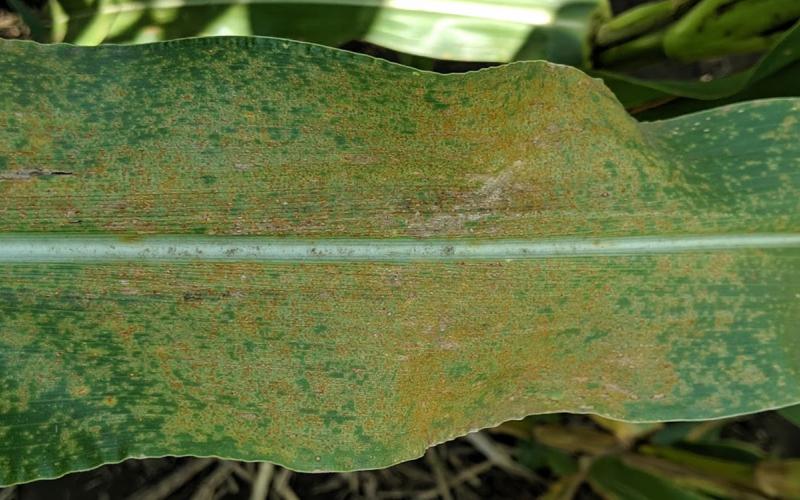
Southern rust was found in Yankton County, bacterial leaf streak was found in Brule County, and eyespot was found in several fields and counties the week of July 27, 2020.
Deciding on Fungicide Application to Manage Mid-Late Season Soybean Leaf Fungal Diseases
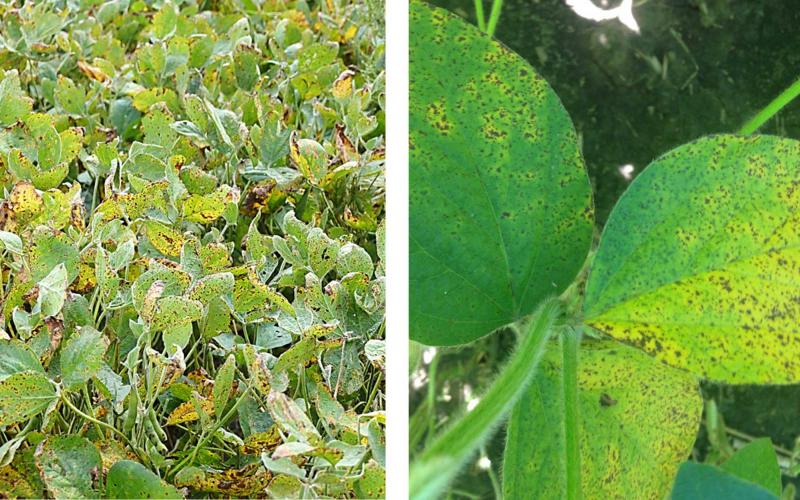
Soybean leaf diseases can develop in some soybean fields to reach yield-reducing levels. The question that growers often ask is whether it is profitable to apply a fungicide to soybeans at the R3/R4 growth stage in South Dakota.
Is a Fungicide Applied at Tasseling Profitable in Corn?
Corn is currently at tasseling/silking across the state. This is usually the growth stage when a fungicide is applied to control fungal diseases.