Content by Hans Klopp

80 South Dakota farmers needed for nationwide soil health project: Enroll today
April 03, 2025
South Dakota State University Extension is inviting South Dakota farmers to participate in a new soil health survey.
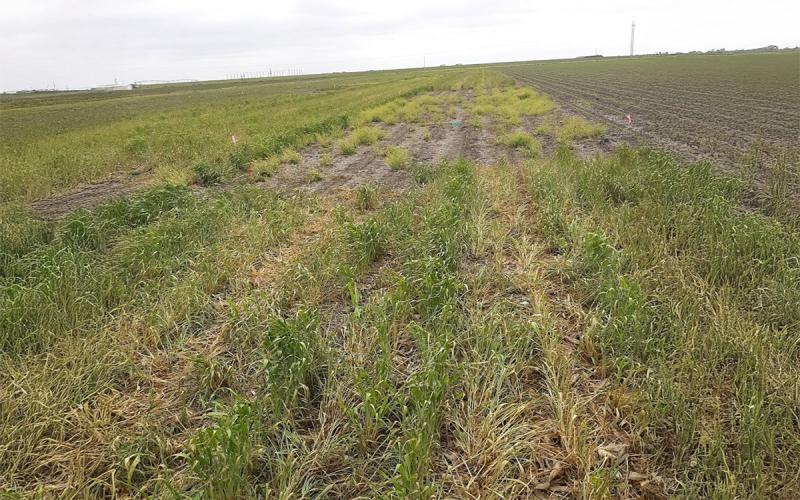
Conserving Soil Moisture During Dry Conditions
Dry conditions can create difficulties for agricultural producers. Using soil health principles can improve the resilience of agricultural systems to dry conditions.
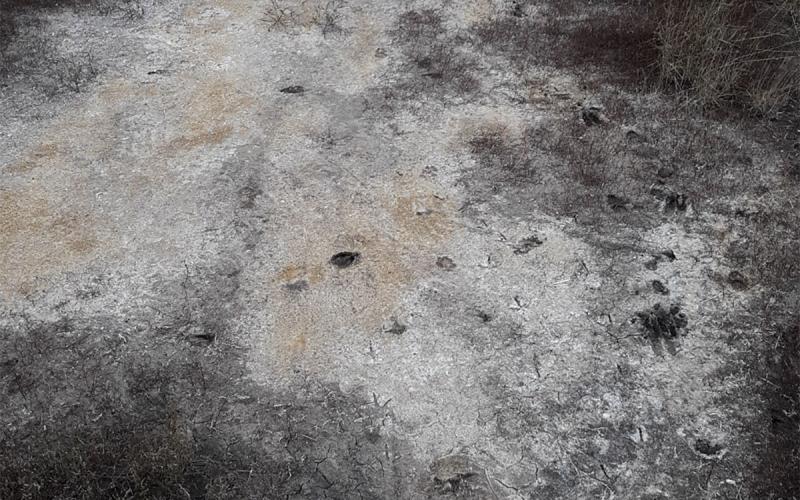
Soil Salinity, Sodicity, and Alkalinity in South Dakota Soils
Salinity and sodicity are issues that negatively affect crop production and soil health in South Dakota.
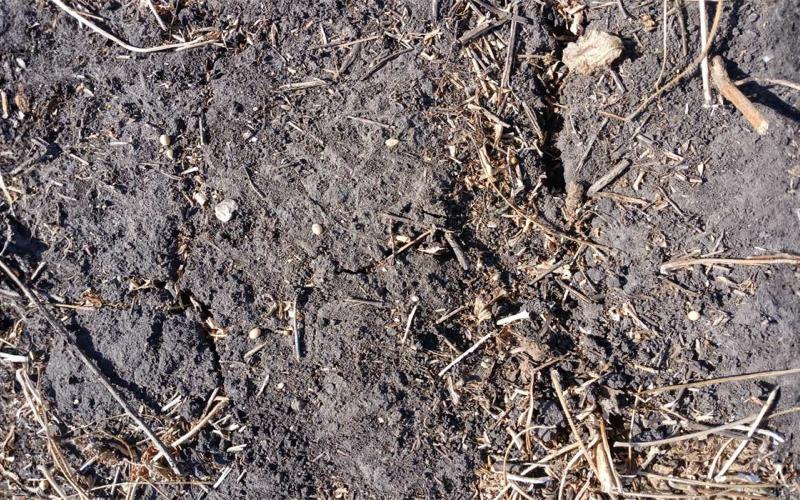
Fall Tillage: Please Don’t Think About It
Conducting fall tillage results in lost topsoil, soil nutrients, and soil moisture. This ultimately leads to reduced soil productivity and profitability. An easy way to conserve topsoil and water resources is to skip fall tillage.
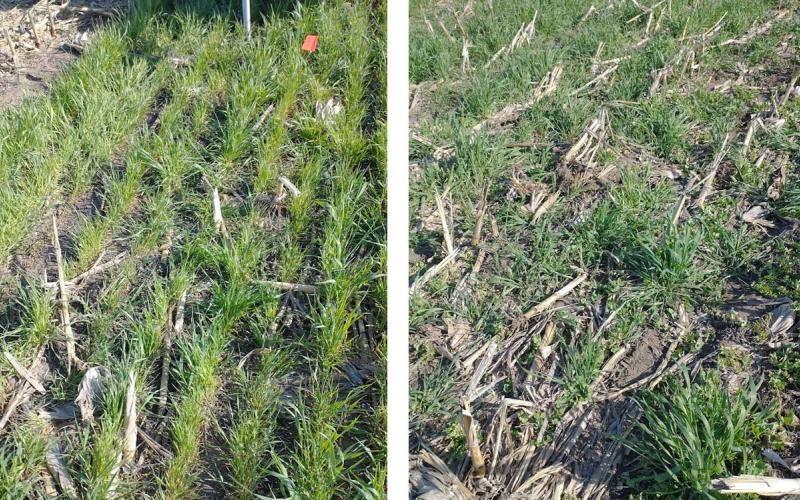
Choosing Whether to Preharvest Broadcast Vs. Post-Harvest Drill Cover Crops
Cover crops are frequently planted following the harvest of the grain commodity crops. A decision for producers to make is to whether to preharvest broadcast or postharvest drill the cover crop.
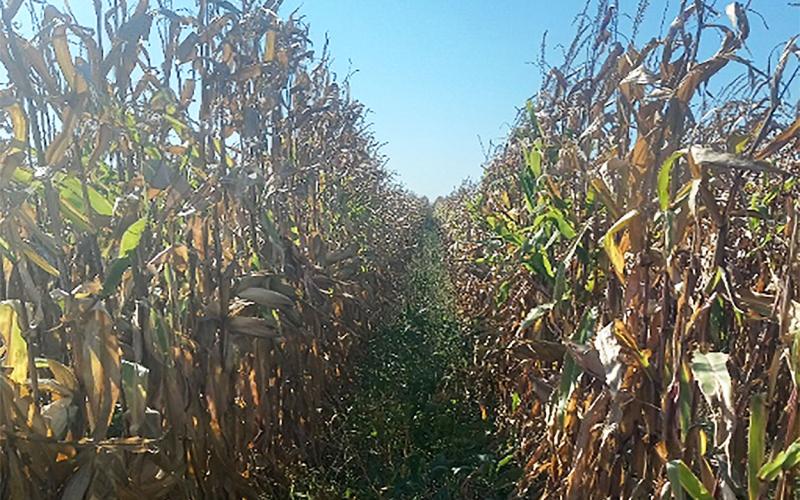
Inter-Seeding Cover Crops into Corn
Many producers are interested in incorporating cover crops into their cropping systems. Recent research investigated the effects of inter-seeding cover crops into corn on biomass production, grain yields, and other ecosystem services.
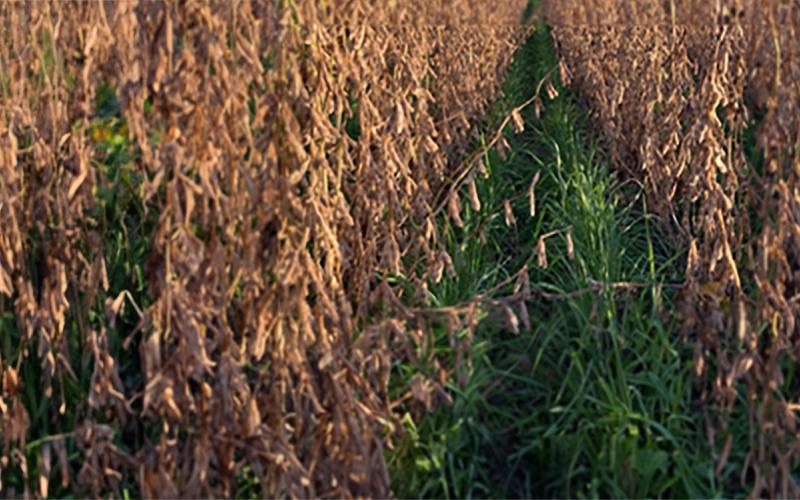
Inter-Seeding Cover Crops into Soybean
Recent studies have investigated the soil health and yield impacts of inter-seeding various cover crops into soybean plantings.
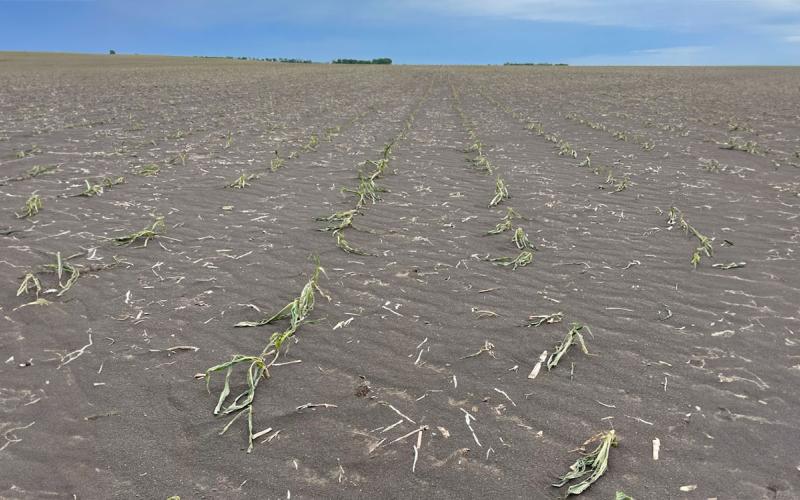
Soil Only Blows During Droughts?
What causes soil to blow during periods of adequate moisure? High winds can rapidly dry soil close to the surface. If the winds are high enough, even soil at intermediate water contents can blow.

How Soil Holds Water
Water retention is an important soil property and is related to soil texture, organic matter content, and density.
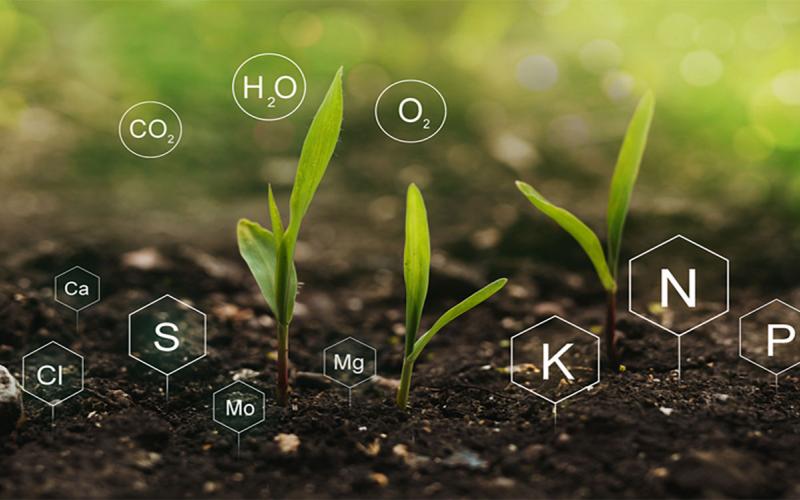
Interpreting Soil Tests for Gardening
There are many different chemicals that make up plants. These chemicals include hydrogen, carbon, oxygen, nitrogen, phosphorus, sulfur, calcium, magnesium, iron, manganese, copper, boron, zinc, molybdenum, cobalt, and chlorine.