Content by Eric Jones

2026 Harvesting Order for Weed Management
The 2026 growing season was abnormally hot and dry, which may have reduced the number of weed flushes witnessed this year.
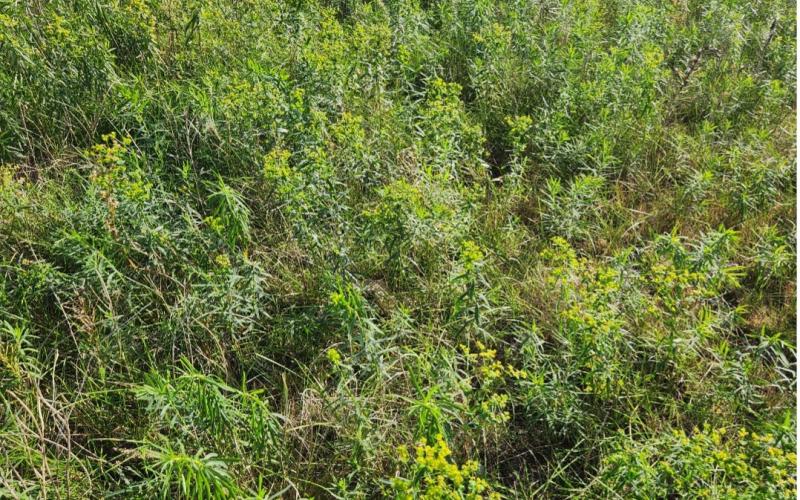
Effectiveness of Saflufenacil (Sharpen) Mixed with Imazapic (Plateau) to Manage Leafy Spurge
Leafy spurge is a noxious weed of many pastures and rangelands in South Dakota. This research study looks at the effectiveness of Saflufenacil mixed with imazapic to manage leafy spurge.

Mixing it Up: Fall Herbicide Mixtures for Kochia Management
Fall-applied residual herbicides can help manage early emerging weeds, such as kochia, by using snowmelt and early spring rainfall as activating precipitation to move the herbicide into the soil layer of emerging weed seedlings.
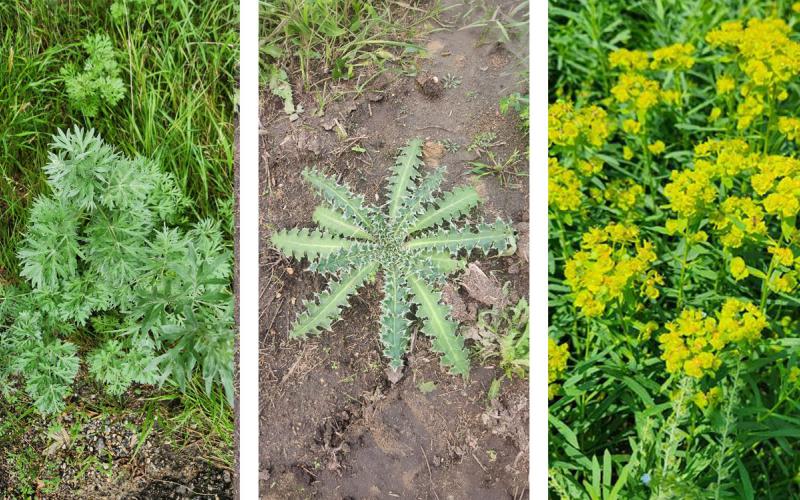
Recent Rainfall Likely to Improve Fall Herbicide Applications for Noxious Weed Management
Under hot and dry conditions, weeds are stressed and herbicide activity decreases, leading to poor management. While recent rain events have impeded row crop harvest, the moisture is welcomed to improve the activity of fall herbicide performance for noxious weeds in pastures and rangelands.
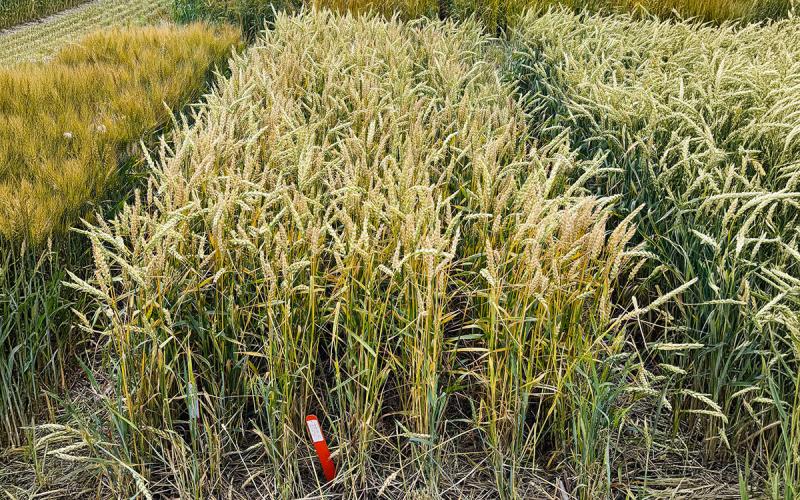
Utilizing Cool-Season Crops for Weed Management
For producers facing increasing challenges from herbicide-resistant Palmer amaranth or waterhemp, incorporating a cool-season crop can provide another tool for diversifying weed management.

A Surge in Spurge
Spotted spurge is a common, drought-tolerant weed known for its prostrate growth pattern, meaning it grows lying flat on the ground. This is one of the most-difficult weeds to control in lawns, gardens, and landscaping.
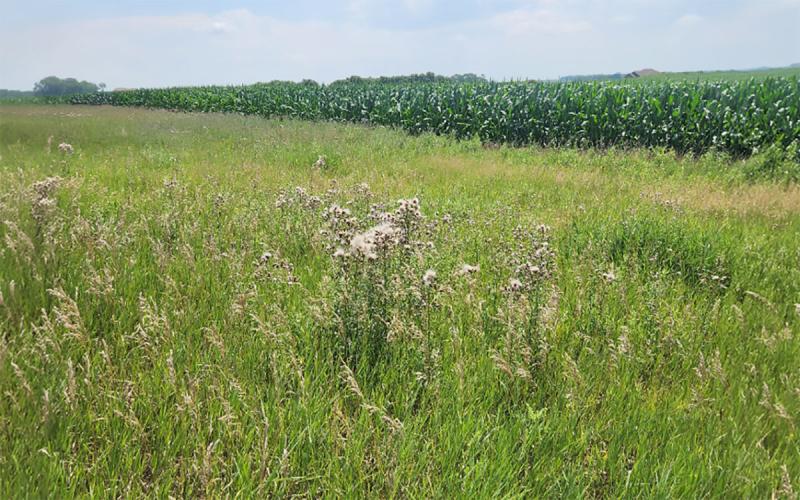
Avoid Noxious Weeds When Haying Right-Of-Way Ditches
After June 15 or July 10 (dependent on location), right-of-way ditches can be mowed or hayed as announced by the South Dakota Department of Transportation. While there is a demand for grass hay, care should be taken when haying right-of-way ditches.

Sunflower Production: Late-Season Weed Escapes Should Guide Future Weed Management Plans
Many sunflower fields across the state are far enough along in their development that the window for preventing weeds with residual herbicides has passed. Weed escapes that remain in the field through the remainder of the growing season can contribute seed back to the soil seedbank.

Soybean Plants Are Entering the Reproductive Stage (R1): Last chance to spray select herbicides
The summer solstice roughly marks the date when soybean plants switch from vegetative growth to reproductive growth. An important aspect of the reproductive growth stage is that many herbicides can no longer be applied after plants reach any bloom stage.
Clock tells the time of the day, not when the job is done. Is that true for weed management?
Common banter at the farm gate implies farmers work long days to get the job finished. However, weed management may improve if spraying stops at a particular time of day.