Content by Madalyn Shires
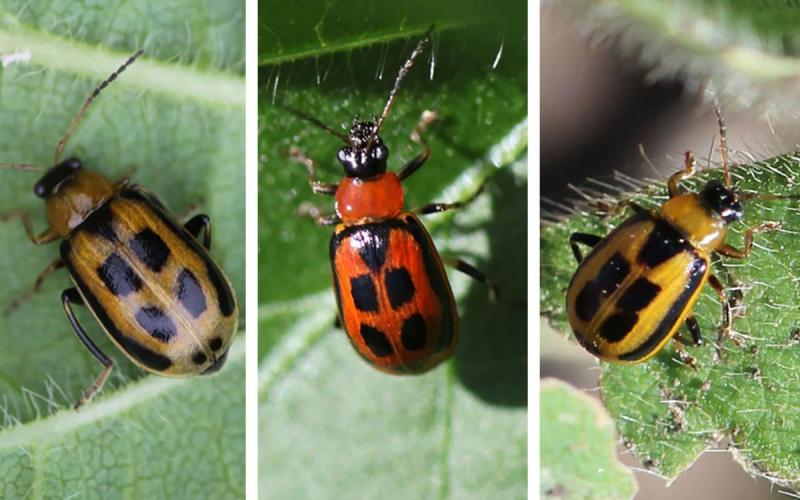
Bean Leaf Beetles Showing Up in Soybean
Despite the prediction of low overwintering survival we have observed bean leaf beetles in soybean this week. See our latest observations and management recommendations.
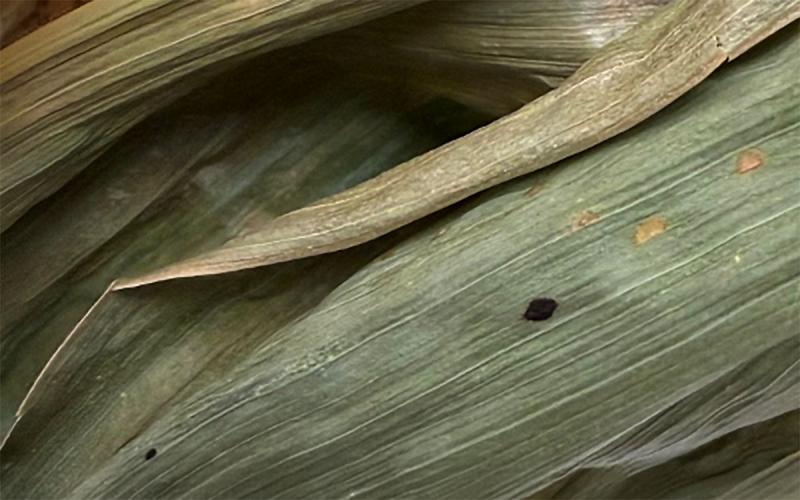
Tar Spot Confirmed in South Dakota
Trace amounts of tar spot were recently found in Yankton and Bon Homme counties and are thought to have originated from corn residue instead of windblown spores. This speaks to the importance of crop rotation in the management of this disease.

Powdery Mildew Presence in Your Garden: How to identify and prevent it
Powdery mildew is a common fungal disease that targets a wide range of hosts. It is important to identify its presence as soon as possible to slow its spread and prevent irreversible damage.
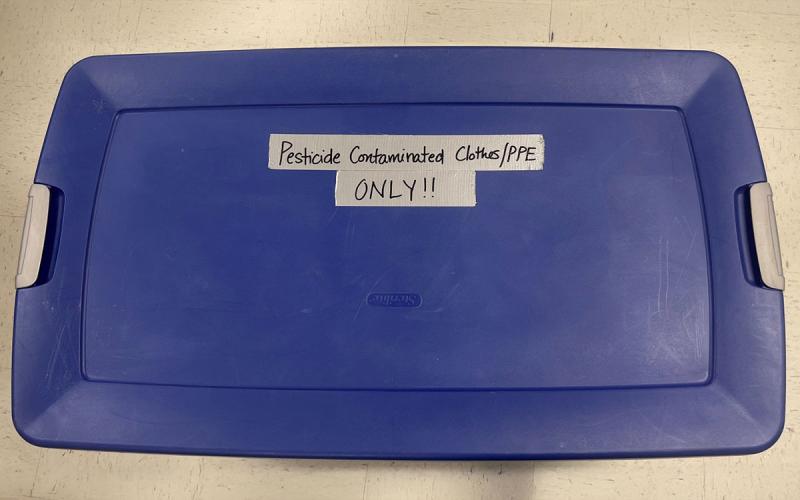
How to Properly Launder Pesticide Contaminated Clothing
Many types of personal protective equipment are intended for single use only and should be discarded after use, but how do you wash reusable equipment and clothing contaminated with pesticide residue?

Keep Watch: Wheat Streak Mosaic Virus is Developing in South Dakota Fields
Wheat Streak Mosaic Virus has been reported in South Dakota wheat fields and is also a major wheat disease for Great Plains states in 2025. The virus is sweeping across the state and is rampant in winter wheat.
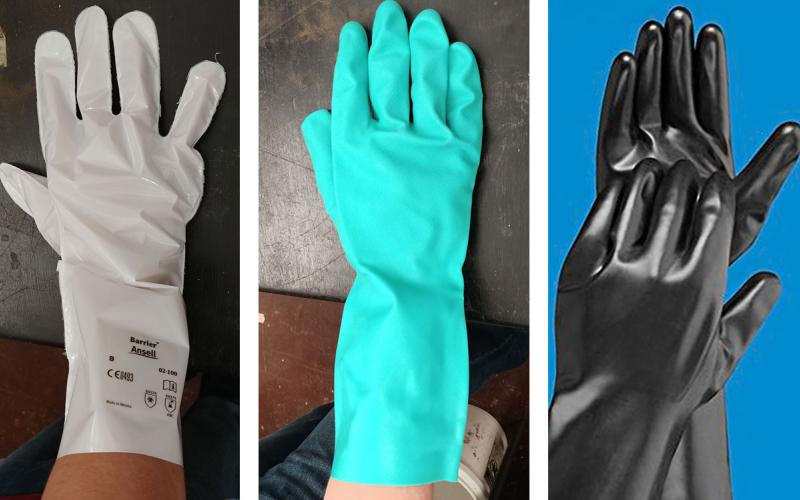
Pesticide Personal Protective Equipment: Glove Selection
Safety gloves are one of the most-important pieces of pesticide personal protective equipment. Glove material is very important, as not all materials provide the same protection for different pesticide ingredients.

How to Use the South Dakota Mesonet Small Grains Tool
South Dakota Mesonet Small Grains Tool is an easy-to-use and efficient tool that can help identify disease risks associated with wheat leaf rust, wheat leaf spot diseases, and Fusarium head blight.

Fusarium Head Blight Update: May 29, 2025
Fusarium head blight, also known as scab, is a fungal disease that infects wheat heads during flowering. Recent weather conditions across South Dakota have provided the environment needed for Fusarium head blight to begin infection.
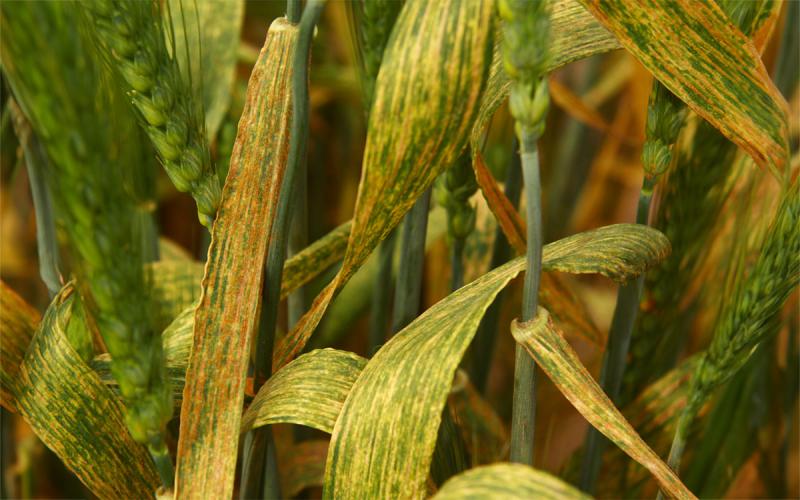
SDSU Plant Diagnostic Clinic provides fast diagnoses of plant diseases
March 07, 2025
South Dakota State University Plant Diagnostic Clinic is the only public diagnostic clinic for plant diseases in South Dakota and receives more than 1,500 samples each year.
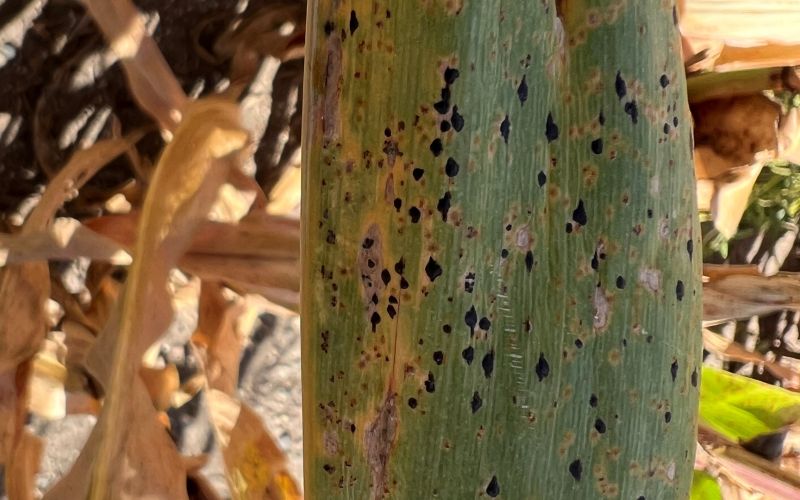
SDSU Extension to host tar spot webinar
January 24, 2025
Tar spot is a potentially yield-impacting corn disease that was confirmed in 46 of South Dakota’s 66 counties in 2024. The fungus can cling to crop residue over the winter and re-emerge once temperatures rise. It’s most commonly spread in South Dakota by wind-blown spores.