Content by Madalyn Shires
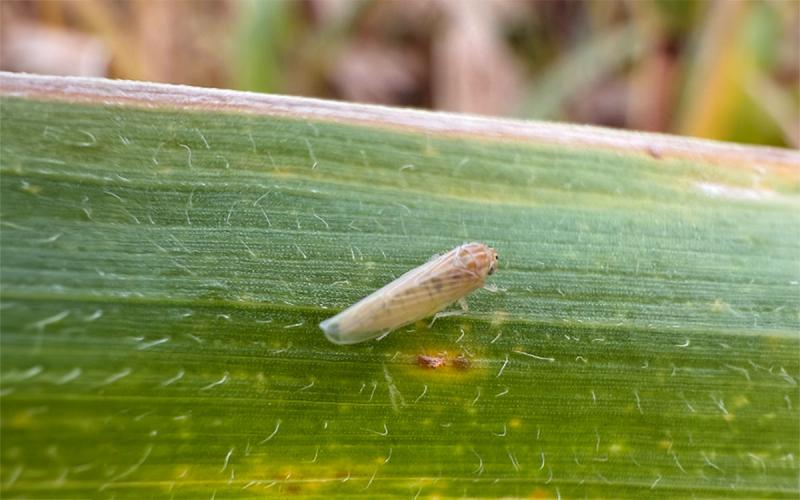
Corn Stunt in South Dakota
In late September, a sample received from Deuel County was confirmed positive for corn stunt, a disease spread through corn leafhopper feeding. This diagnosis is the furthest north corn stunt has ever been confirmed and reported in the United States.
Current State of Row Crop Weed Management in South Dakota
Results of an online survey to determine how South Dakota stakeholders are currently managing row crop weeds.
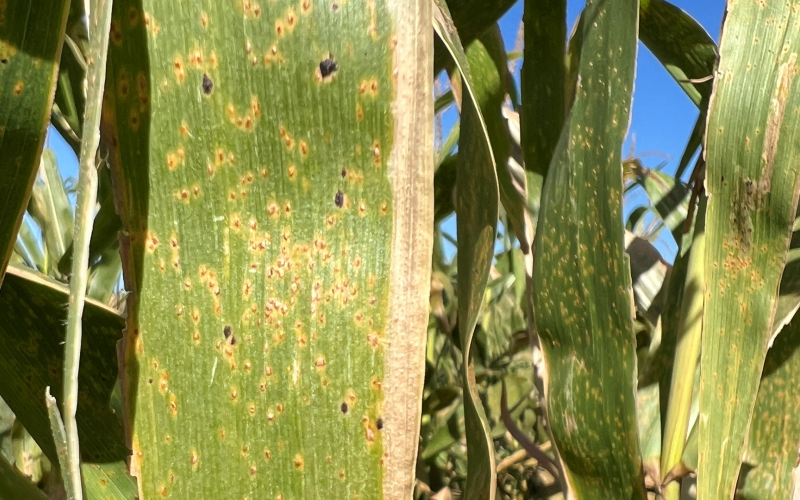
SDSU Extension to host disease scouting workshop for corn, soybeans
October 01, 2024
If you have been wondering what you’re seeing in your corn or soybean fields this season, join the SDSU Extension plant pathology team in Volga to see tar spot in the corn field and white mold in the soybean field, or to have your own diseased plant material identified.
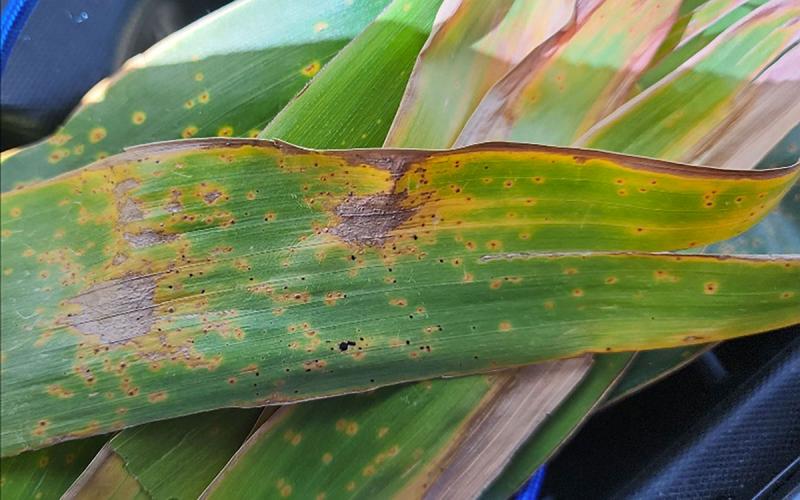
South Dakota Tar Spot Update: September 30, 2024
As of September 26, 2024, our researchers have confirmed the presence of tar spot in 25 counties across the eastern half of South Dakota. The severity of infection has varied anywhere from less than 1% to approximately 20% on individual corn plants.
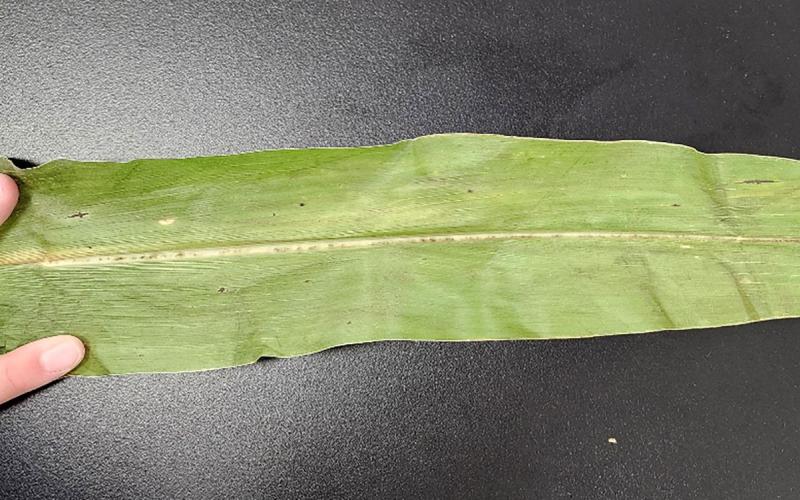
South Dakota Tar Spot Update: September 13, 2024
Tar spot was recently found in Turner, Clay, Union, Yankton, and Bon Homme Counties. Low levels of tar spot do not indicate a need to spray, but they do indicate that fields should be routinely scouted until harvest.
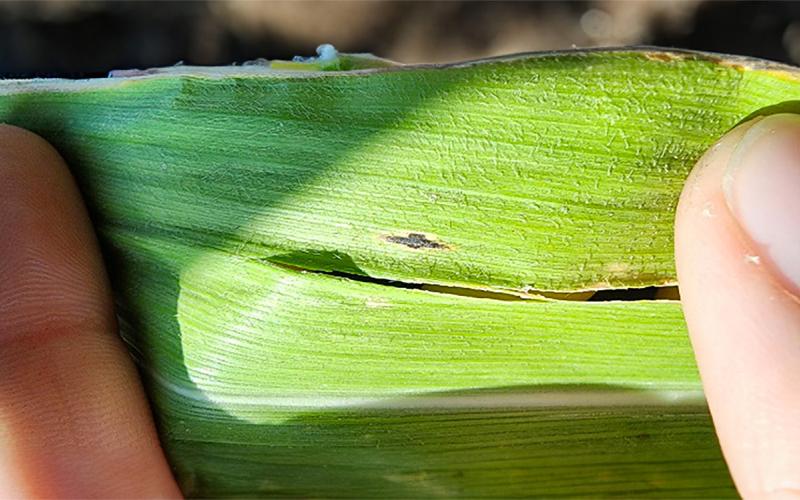
South Dakota Tar Spot Update: September 9, 2024
Tar spot is a potentially yield-impacting disease of corn, and it was recently found in plant samples from Minnehaha and Turner counties. Learn some expert tips for scouting and managing it this season.

Fusarium Head Blight Forecast
The warm and humid conditions prevalent in South Dakota throughout June 2024 have significantly favored Fusarium head blight disease development. As of this week, the risk for Fusarium head blight has begun to increase.
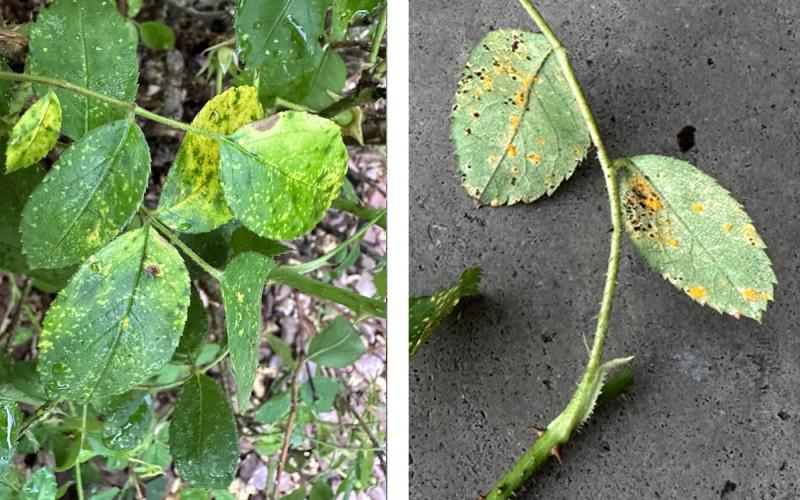
Rose Rust
Common rust of roses is a fungal disease that is found throughout the United States. While hot and dry summers limit the prevalence of the disease, it surfaces when weather conditions are cool and wet.
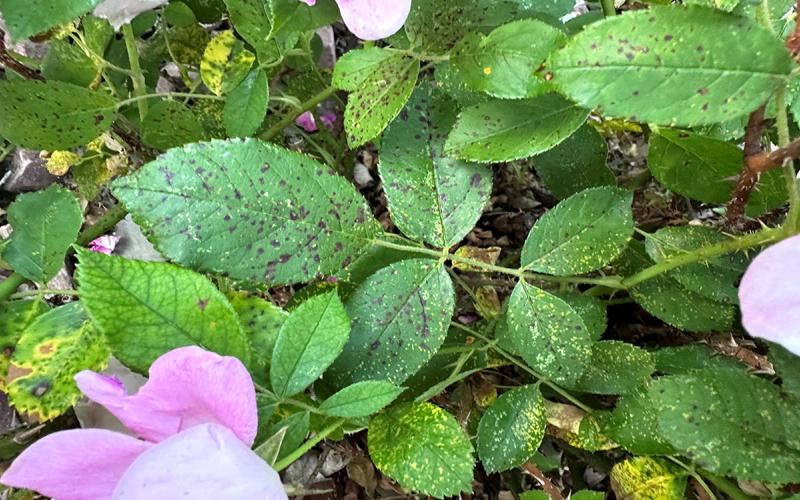
Black Spot Disease in Roses
Black spot is a recurring fungal disease in roses that will decrease the vigor and blooms of rose plants if it is not managed. Learn some expert tips for identifying and managing it in your gardens.
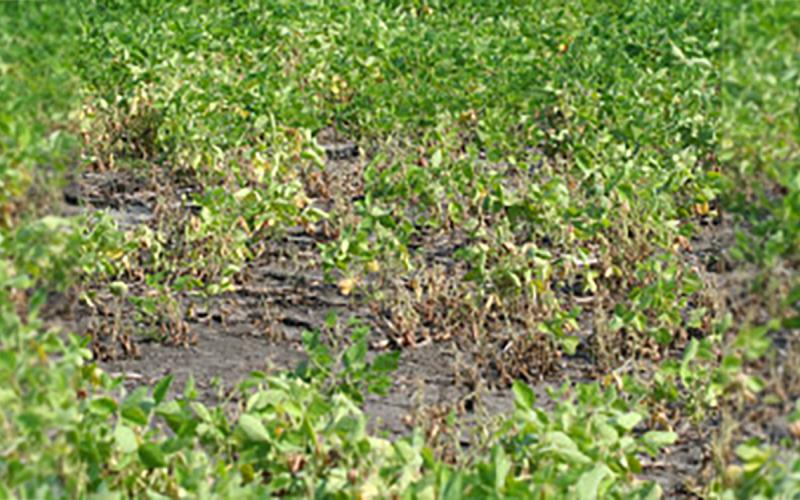
Watch Out for Phytophthora Root and Stem Rot in Soybean
Current weather conditions of continuous rainfall are saturating our fields, which is creating a favorable environment for Phytophthora root and stem rot.