Content by Jameson Brennan
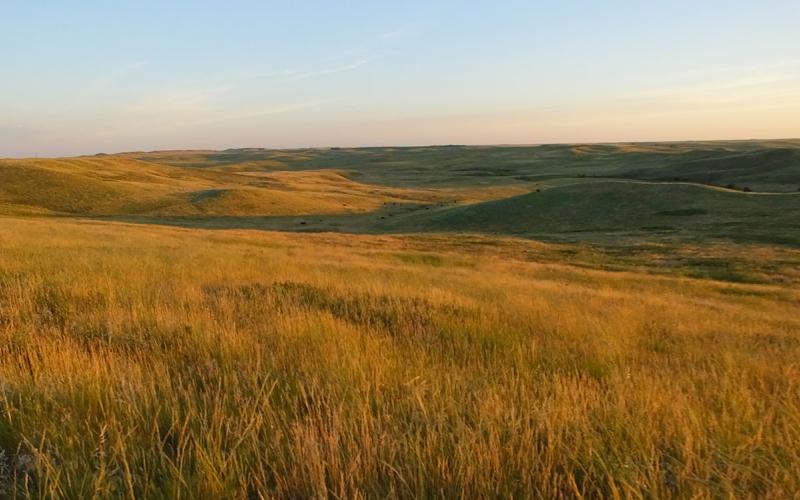
Factors That Influence Plant Development and Growth
Year-to-year variability in climate can result in large swings in annual forage production for livestock producers. Learn some key considerations to observing and mitigating the effects of this variability.
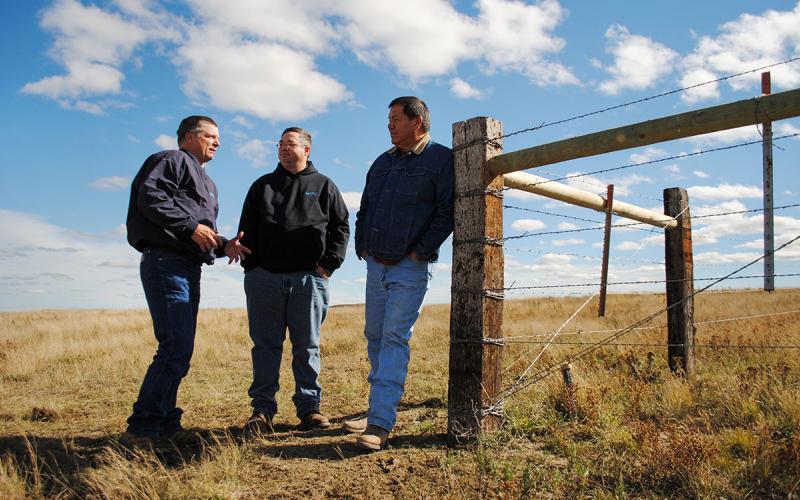
Five Range Management Principles: #2 Creating a Grazing Plan
Creating a grazing management plan can be overwhelming. Learn the basic steps for outlining a plan, along with several resources to help identify the right strategy for your operation.
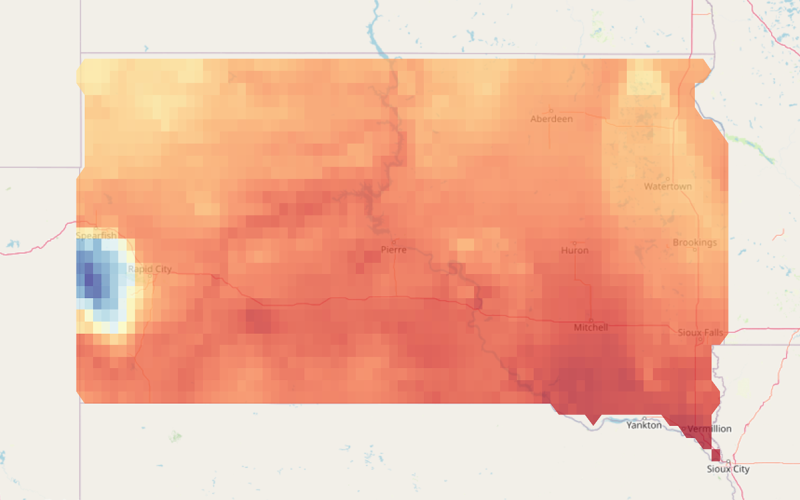
South Dakota Grazing Readiness Spring Turnout Map
The South Dakota Grazing Readiness Map uses historical climate data to provide livestock producers with a range of spring turnout dates for their location based on grass type.
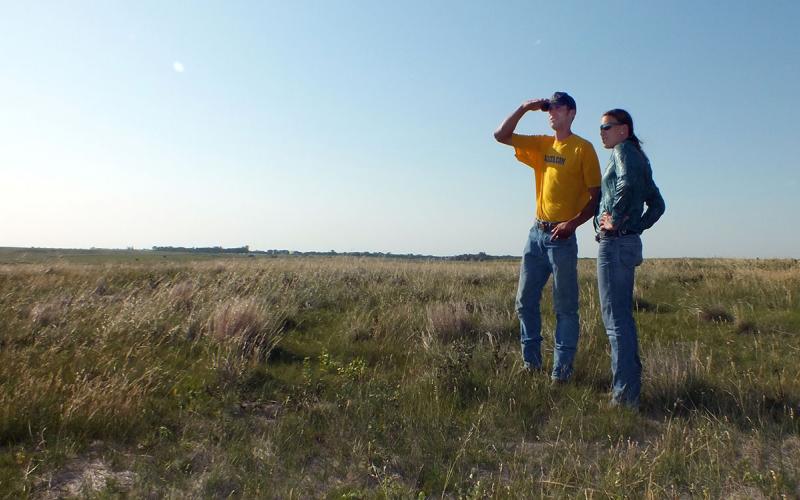
Five Range Management Principles: #1 Adaptive Management
Adaptive management is a process that livestock producers can incorporate into their operation to increase operation flexibility and adjust to changing conditions.
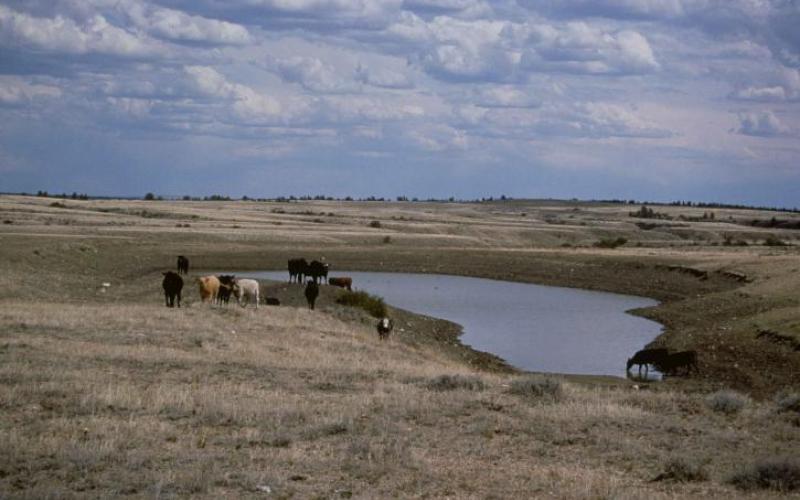
Ranch Drought Planning
Fact sheet with general drought planning tips from the range and natural resource perspective.
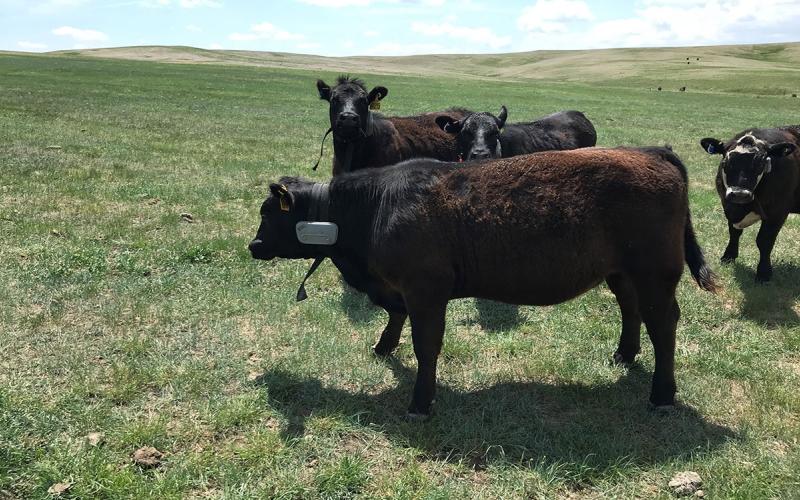
Range Roundup: Virtual Fencing Project Takes Place at the Cottonwood Field Station
Virtual fencing (borders without physical barriers) has started making waves in the cattle industry, and it can be used to implement precision grazing management. Our team is researching its use and utility at the SDSU Cottonwood Field Station starting this summer.
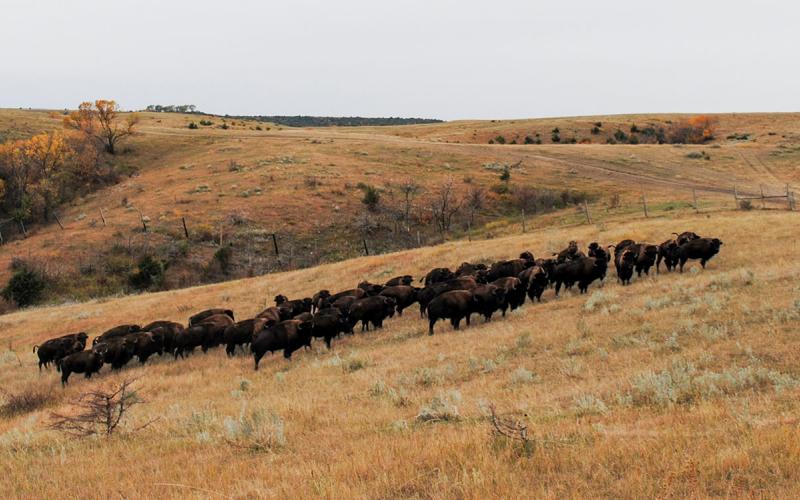
Bison Economics Tool
The SDSU Bison Economic Tool provides bison producers with up-to-date, monthly bison market information. The rapid and user-friendly visualization capabilities enhance communication and evaluation of how the industry is performing compared to previous months.
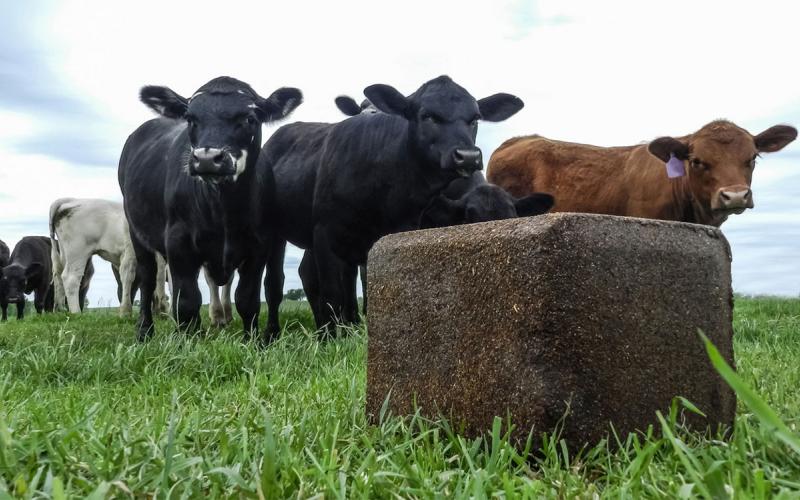
Mineral Consumption Calculator
Mineral consumption is key to determining whether or not nutrient requirements are being met. The mineral consumption calculator was developed as a tool to make monitoring and tracking consumption easier.
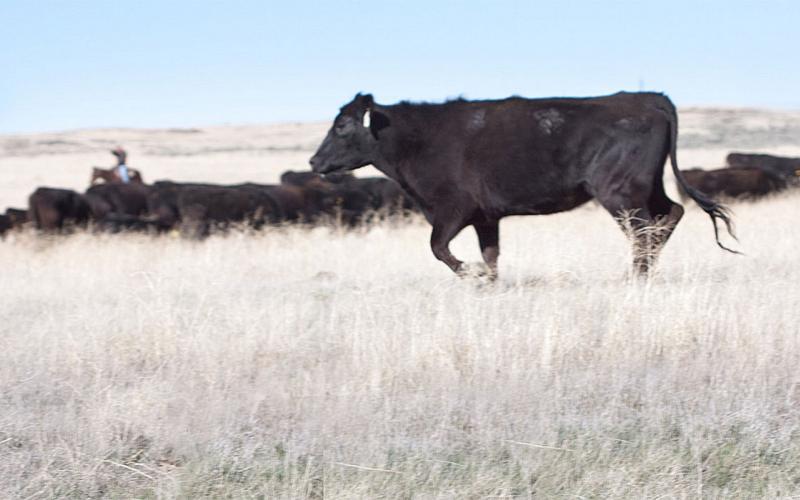
Trigger Dates: Critical Decisions for Drought Management
Having a drought plan in place ensures that you can overcome the inhibitions surrounding a drought response, the basis of which is figuring out trigger dates.
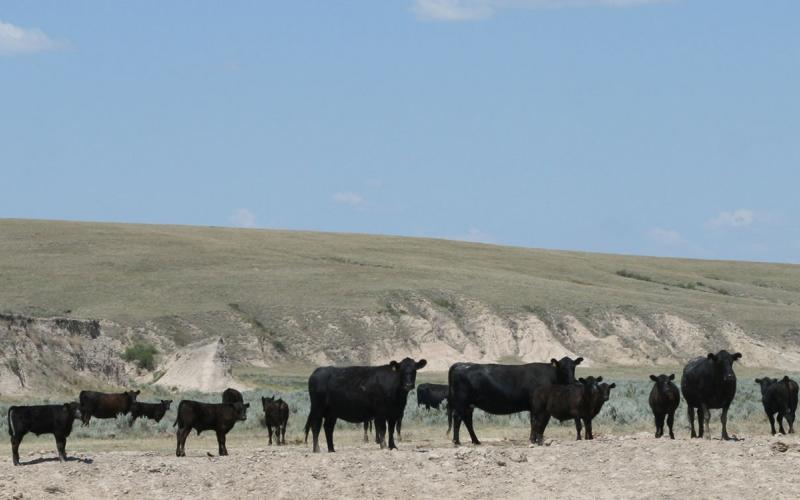
Adaptive Management: One Strategy To Increase Your Operation’s Flexibility and Resiliency
Adaptive management is a strategy that livestock producers can use to manage year-to-year variability in forage production and build drought resiliency for their operations.