Content by Laura Edwards
Climate and Weather
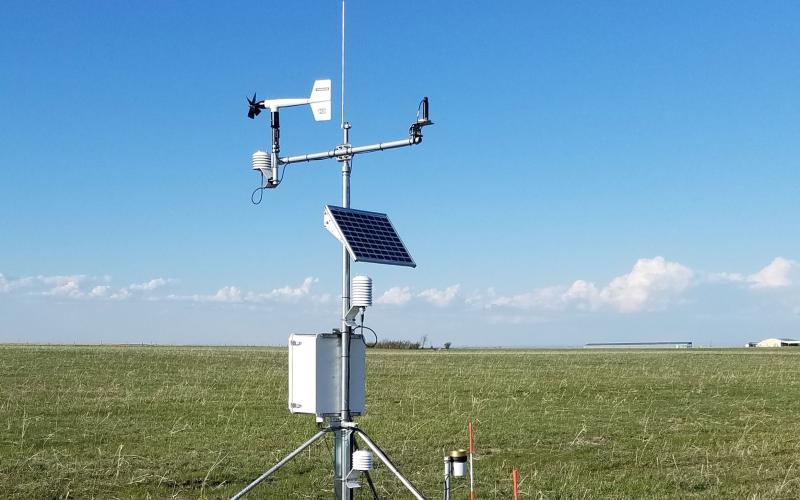
View resources to predict, prepare and recover from weather-related events year-round, including the latest drought and flood information.
2020 Climate Summary
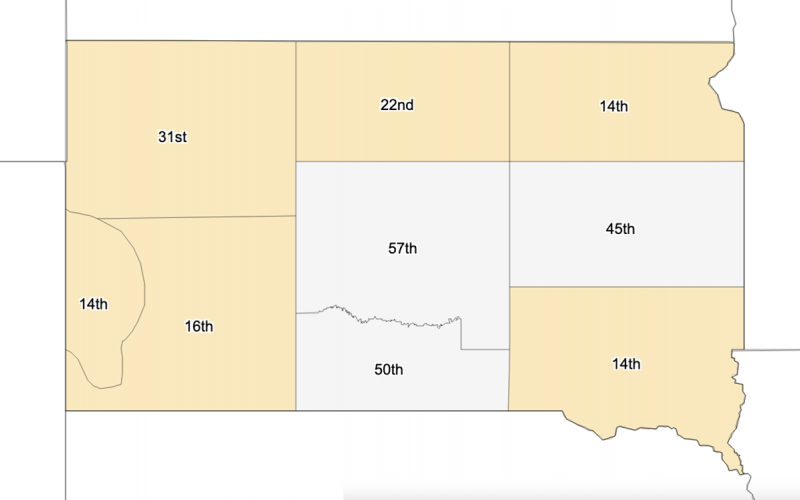
According to National Oceanic and Atmospheric Administrations’s National Center for Environmental Information, 2020 ranked as the 21st driest and the 18th warmest year for South Dakota.
Spring Climate Outlook Unclear Amid Drought Concerns
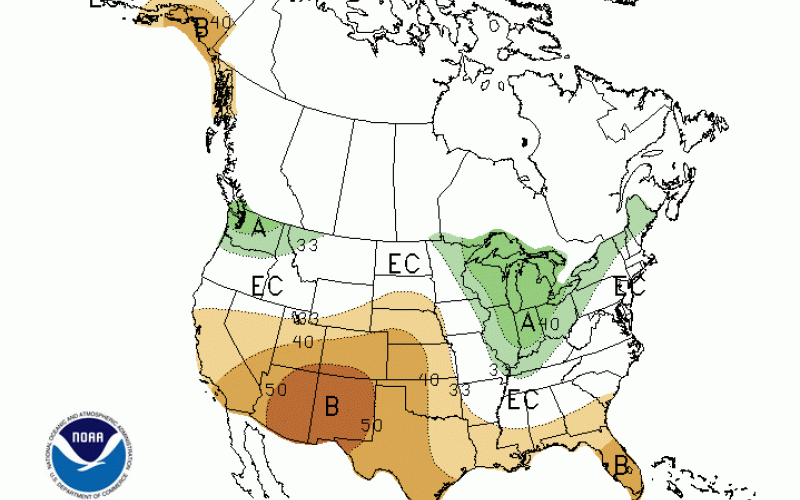
February 22, 2021
In like a lion, out like a lamb?
Using Weather Forecasts for Extreme Cold Risk to Newborn Livestock
Calving and lambing during a winter season with extreme weather swings can be concerning when caring for newborn livestock. The Cold Advisory for Newborn Livestock (CANL) forecast can be a useful tool for producers when preparing for newborn animals.
Drought Conditions Continue to Deteriorate Across South Dakota
April 06, 2021
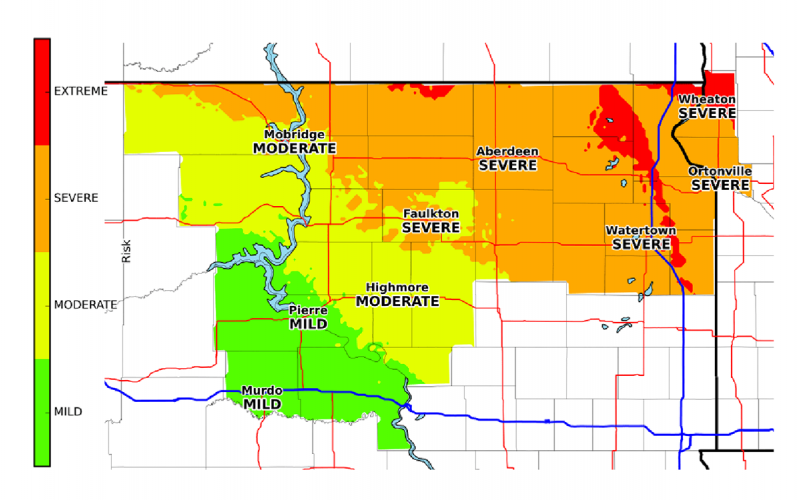
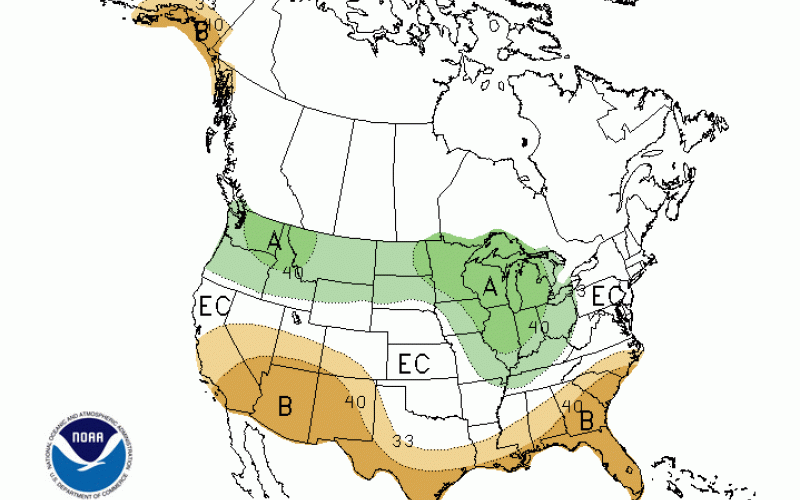
South Dakotans’ apprehension of an impending drought has been growing.
Avoiding Field Fires During Fall Harvest
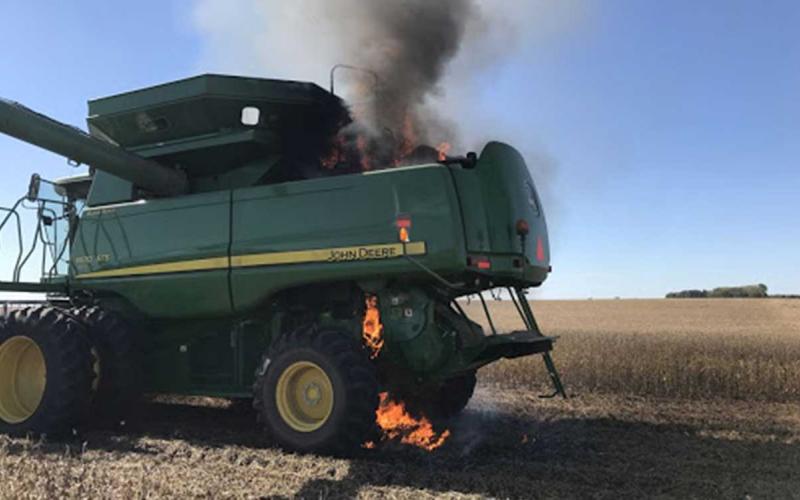
With dry and drought conditions in the late summer and fall, crops dry down rapidly and harvest starts early. The climate outlook may be favorable for an uninterrupted run at harvest. However, the risk of fires during harvest is always a concern for farmers.
South Dakota’s Changing Flood Risk
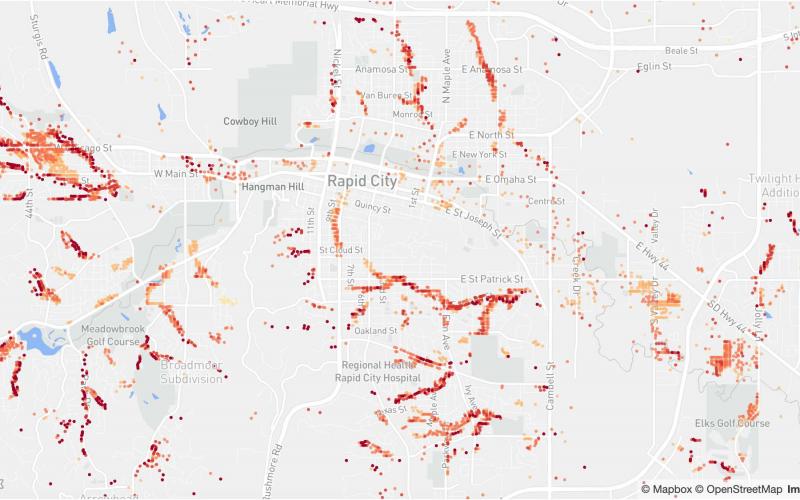
South Dakota’s flood risk is increasing in some areas of the state according to a recent report from the First Street Foundation. In 2020, 62,600 total properties are at substantial risk, with a projected increase to 63,000 properties by 2050.
September 2020 Climate & Drought Outlook
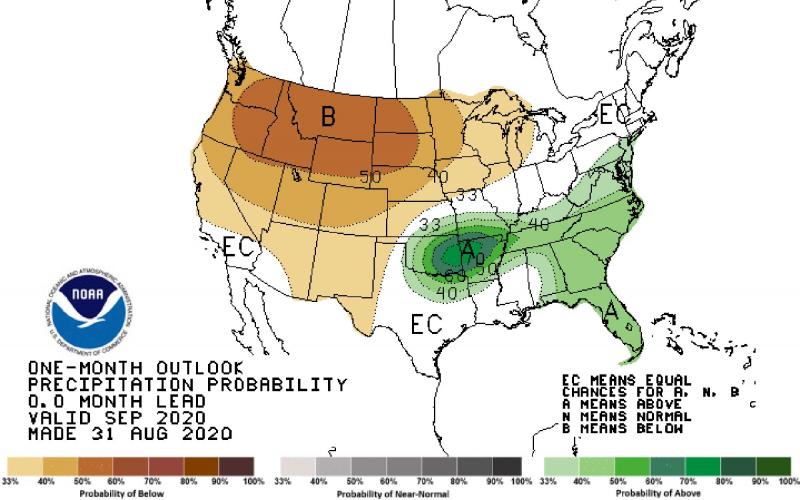
Summer has its last hurrah the first week of September before we see potential for our state’s first freeze of the fall season, according to NOAA’s Climate Prediction Center.
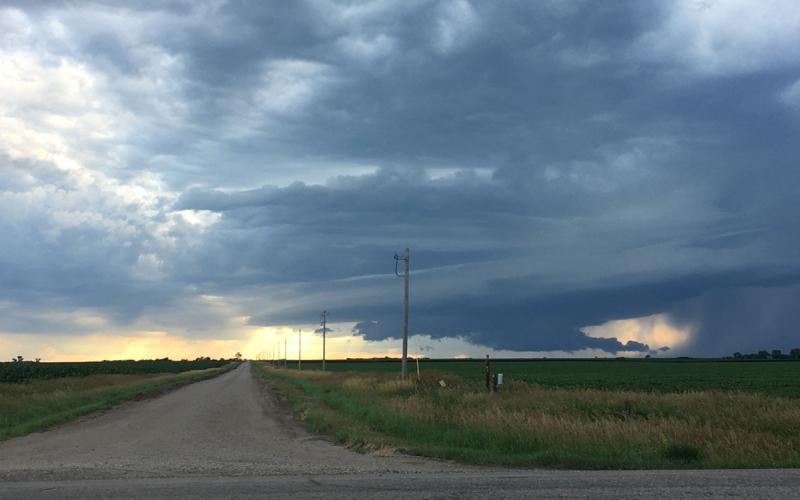
Summer Severe Weather Safety
Hail, high winds, heavy rain, lightning, tornadoes. These weather phenomena are common during South Dakota summers. Stormy weather can be beautiful to see, especially in our evening skies, but it can also be dangerous or life-threatening.
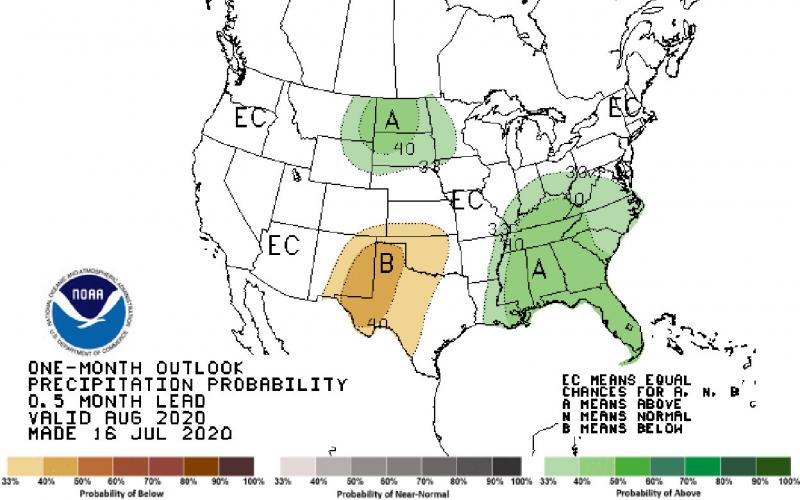
Late Summer 2020 Climate Outlook
Drought concerns in South Dakota may be relieved later this summer, according to the NOAA Climate Prediction Center’s seasonal outlook released this week.