Wheat Diseases
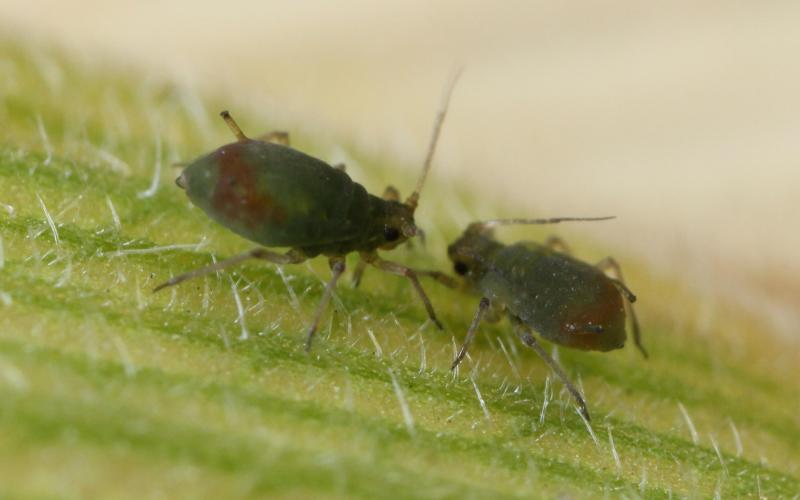
Aphid Populations Being Observed in Wheat
During the past couple of weeks, reports of aphid populations in wheat fields have slowly been increasing. Typically, the initial aphid populations are observed earlier in the season, but the 2019 spring may have delayed infestations.
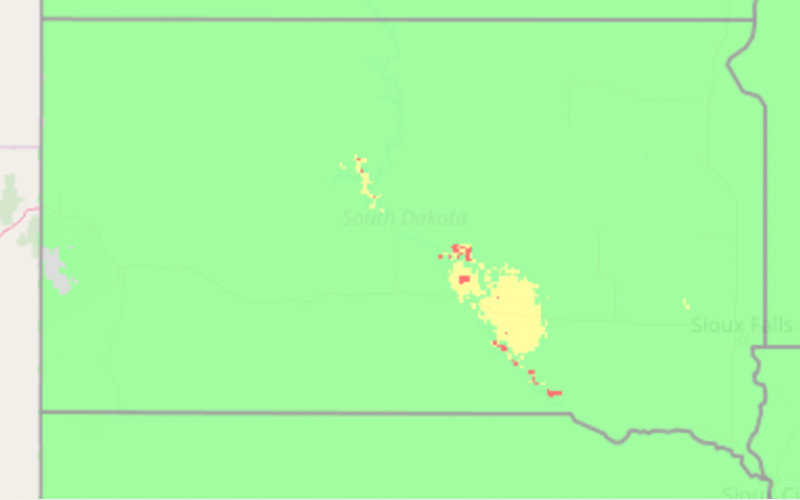
Use the Scab and Leaf Disease Forecasting Tools to Decide on Fungicide Application in Wheat
Fungicide application in winter wheat has consistently shown to prevent yield loss caused by fungal diseases. However, in some cases, a fungicide application may not always result in a profitable yield when disease pressure is low. Disease forecasting tools can aid fungicide application decisions and hence improve on the profitability of fungicide application.
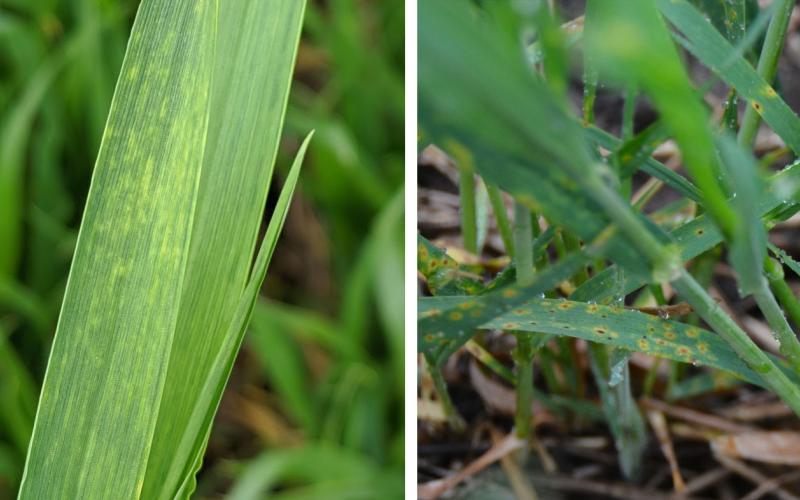
Winter Wheat Disease Update: Wheat Streak Mosaic and Tan Spot Developing at Low Level
Winter wheat fields scouted the week of May 27, 2019 in South Central South Dakota were found with wheat streak mosaic virus and tan spot developing at very low levels. Both diseases were found in non-rotated wheat fields.
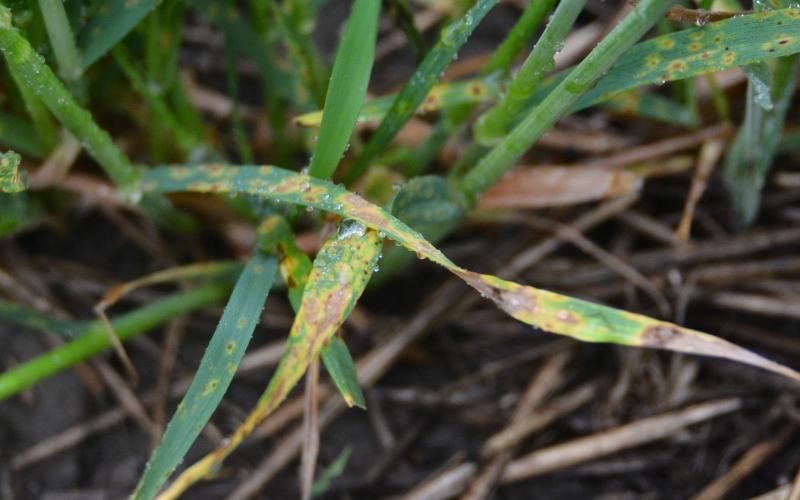
Diagnosing Early Diseases in Winter Wheat
Winter wheat progress is relatively behind the five-year average given the long winter season and low spring temperatures. However, it is important to scout and diagnose early-season diseases in winter wheat to determine the need for an early season fungicide.
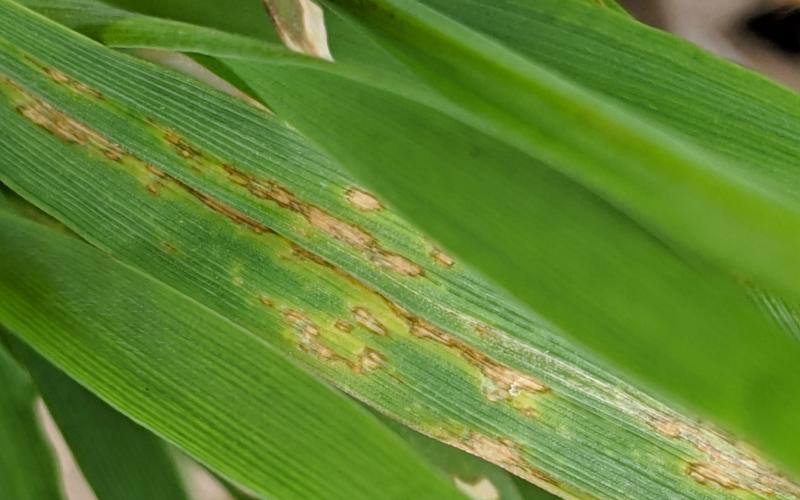
Bacterial Leaf Blight Developing in Winter Wheat
Recent winter wheat scouting found bacterial leaf blight developing in some fields. Bacterial leaf blight is caused by the bacteria, Pseudomonas syringae pv. syringae. The disease develops under frequent rains between 59 and 77 degrees Fahrenheit.
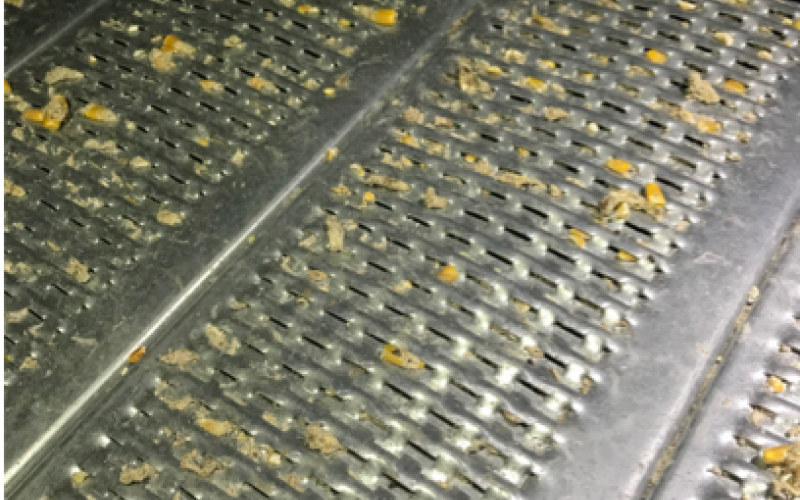
Stored Grain Pests: Spring Insect and Disease Issues
Grain storage is a key component in getting your crop to market. Aside from watching bins for spoilage, moisture, and temperature changes, make sure you are looking for signs of pest infestation.
2018 Field Plot Summaries for Wheat Disease Management Trials
The wheat disease management field experiments conducted in the 2018 growing season evaluated several experimental and commercially available fungicides for managing foliar, head or root diseases of spring wheat. Foliar and spike/head diseases incidence and severity were assessed. The field experiments were implemented at Volga Research Farm and Northeast Research Farm (NERF) near South Shore, SD. Results of the same experiment may vary between Volga and Northeast due to environmental differences between the two locations.

Implications of Excessive Soil Moisture for Disease Development in Winter Wheat
Although it is too early to start thinking about disease issues in winter wheat at this time, current flooding in some areas may have implications on diseases that may develop on winter wheat.

Fungicide Resistance: Risk and Management
What is fungicide resistance?
Fungicide resistance can be defined as when a pathogen population is no longer sensitive or has reduced sensitivity to the fungicide that used to control the same pathogen.
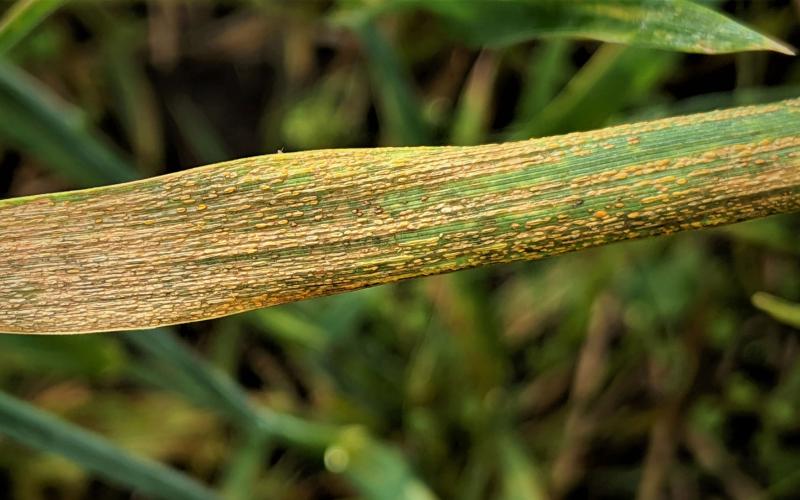
Wheat Diseases Identification Pocket Guide
Accurate plant disease identification is the first step in designing effective and sustainable disease management programs. The purpose of this guide is to provide information on how to recognize wheat diseases and also to provide possible management options.