Wheat Diseases

Look Out For Early Season Wheat Diseases
Conditions have been favorable for disease development in South Dakota winter wheat fields, especially for Septoria. It’s important to scout fields to determine what diseases are present before deciding to apply a fungicide early in the season.

Planting Spring Wheat Into Corn or Milo Residue: Considerations for Scab
Due to current grain prices and other reasons, growers may be considering planting spring wheat into fields that were planted to corn or milo last season. While this type of crop rotation is not generally recommended, economic and logistical challenges sometimes may dictate otherwise.

Winter Wheat Decisions
Winter wheat planting will soon be starting and a number of decisions will have to be made for a successful winter wheat crop, including: the time of planting, the choice of variety to be planted, disease and pest management decisions and crop insurance.

Wheat Streak Mosaic Virus Management Before Planting
Wheat streak mosaic virus is one of the important diseases in winter wheat and can lead to severe yield losses. Learn how it can be effectively mitigated by using proactive management in your fields.
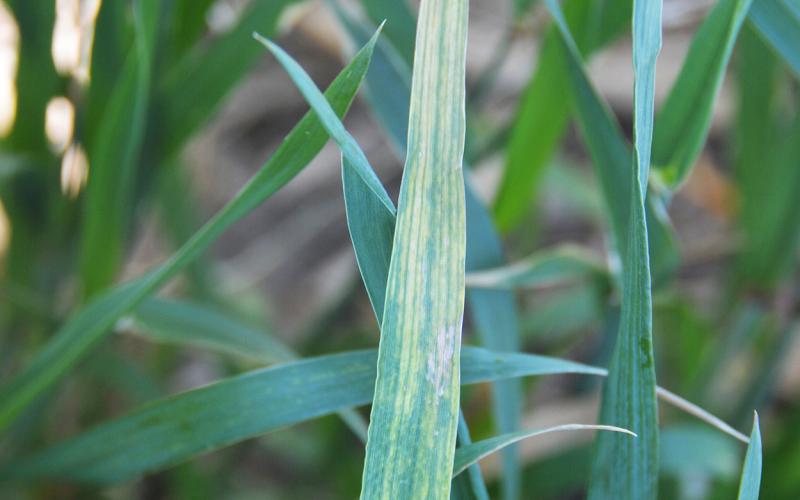
Wheat Streak Mosaic Virus Showing Up in Fields
Wheat streak mosaic virus is a viral disease, which has been found in samples recently sent into the SDSU Plant Diagnostic Clinic. Learn how to identify it before it takes a toll on wheat crops.

Are Fungicides Needed on Crops Damaged by Wind, Sand Blasting or Hail?
When extreme weather brings hail and sand blasting to fields, many growers wonder if a fungicide application is needed afterwards to protect wounded plants from bacterial diseases.
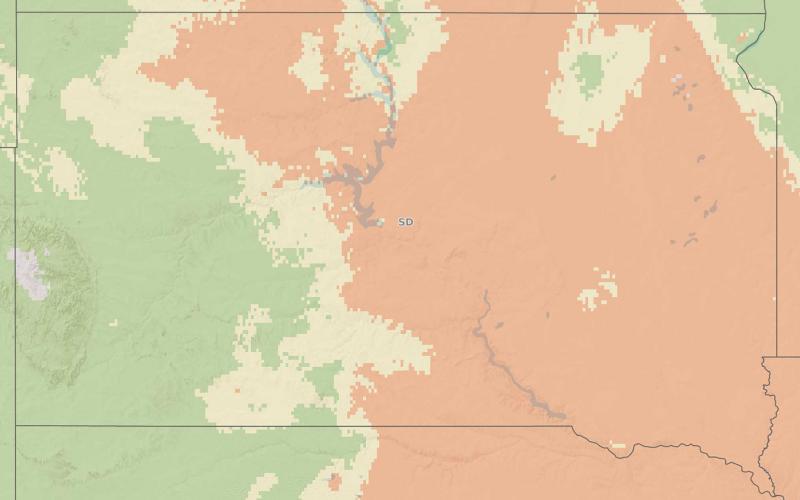
The Fusarium Head Blight Prediction Tool
The Fusarium head blight prediction tool, available through Penn State University and Mesonet at SDState, uses weather variables to predict the risk for Fusarium head blight in wheat.
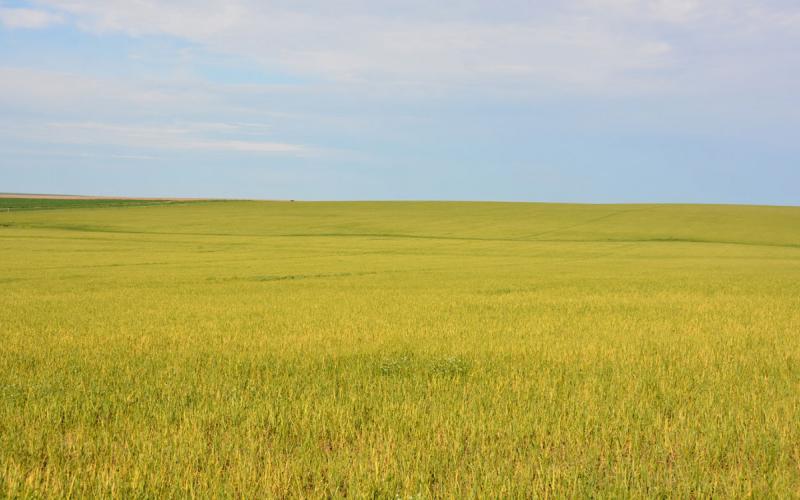
Pre-Plant Wheat Streak Mosaic Disease Management Strategies
Drought conditions tend to promote high wheat curl mite populations. Wheat streak mosaic virus and other viruses transmitted by wheat curl mites are best managed through cultural practices performed before planting.
Wheat Streak Mosaic of Wheat
Fact sheet about symptoms, disease cycle, risk factors and management of Wheat streak mosaic disease

Sooty Mold: A Saprophytic Fungi Observed in Wheat
While out crop scouting, sooty mold was observed in some South Dakota wheat fields. Sooty mold is a saprophyte, which can be easily mistaken for a disease caused by plant pathogens.