Soybean Insects
Recommended Content
Best Management Practices for Soybean Production
This is your unbiased, research-based guide to soybean production to help increase yield, reduce input costs and protect your investment.

2021 South Dakota Pest Management Guides Now Available
February 04, 2021
SDSU Extension has released the 2021 South Dakota Pest Management Guides.
SDSU Extension’s Soybean Week Dives into Pest Management, Soil Health and 2021 Outlook
January 07, 2021
Want to know more about weed control, research, planting dates, and fungicide? Join us on January 19 - 22.
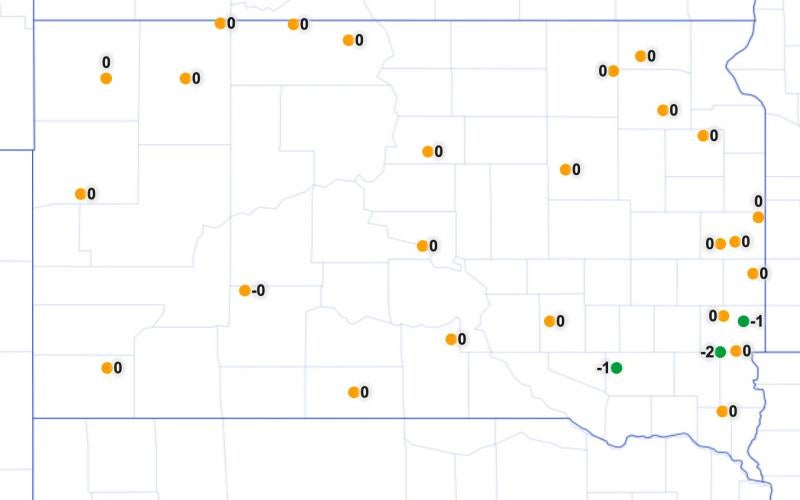
Use the SD Spray Tool for Inversion Detection and Weather for Pesticide Application
The SD Mesonet Spray Tool provides real-time weather data for pesticide applicators. This dedicated website for pesticide applicators uses the SD Mesonet weather data, which is updated every five minutes.
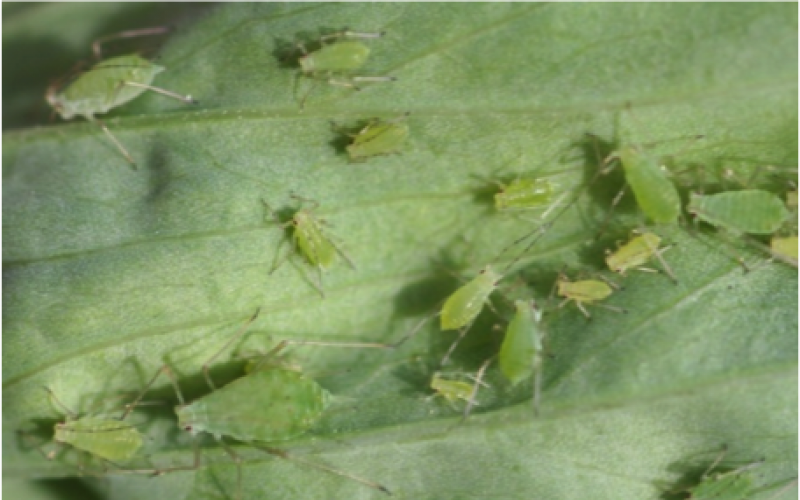
Soybean Aphids in South Dakota
Factsheet on Soybean Aphids in South Dakota
Investigation of Soybean Seed Treatment and Inoculant in Southeastern SD, 2018
Soybean seed treatment products are widely utilized by many farmers in southeastern South Dakota and the surrounding area. These products often consist of an insecticide/fungicide combination, and/or inoculant that is mixed and placed on the seed as a pre-treatment before the grower plants the crop.
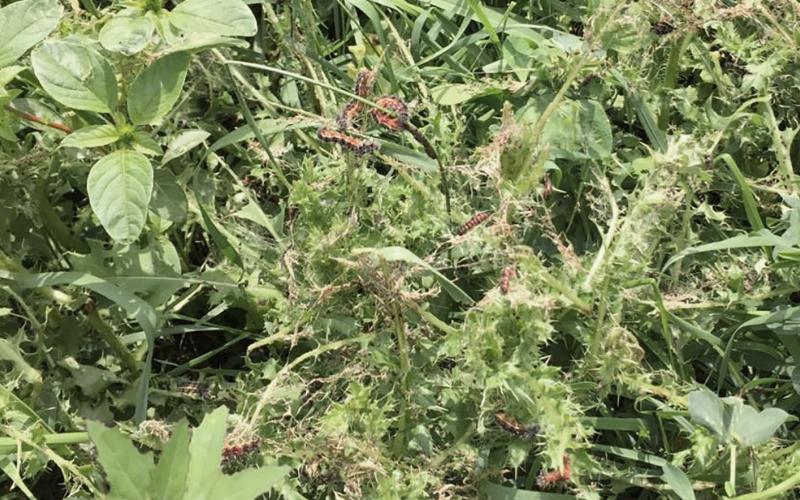
Thistle Caterpillars Showing Up on Canada Thistle
This week we received reports of caterpillars feeding on Canada thistle. After taking a look at the caterpillars, we determined that they are thistle caterpillars. However, we typically don’t see thistle caterpillar activity in S.D. until July or August. So why are they showing up so early this year?
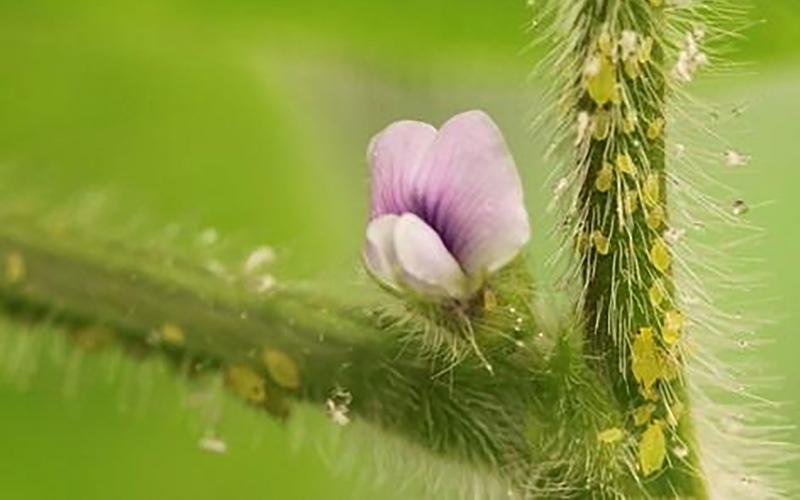
Small Populations of Soybean Aphids Observed in South Dakota
While scouting fields last week, we observed small populations of soybean aphids near Volga, South Dakota. Although no sustained populations were observed, it is a good reminder that soybean aphid scouting should occur throughout the growing season to prevent population outbreaks.

2019 South Dakota Grasshopper Forecast
The USDA Animal Plant Health Inspection Service conducts an annual survey to monitor grasshopper populations in Western South Dakota. In 2018, SDSU conducted a survey to monitor populations in Eastern South Dakota. These previous-year surveys can be used as a prediction tool for where grasshoppers may be an issue during the upcoming season.

Cancellation of Several Neonicotinoids
On May 20, 2019, the United States Environmental Protection Agency announced the cancellation of registrations for 12 products that contain neonicotinoid insecticides. The cancellation of the product registrations was voluntarily requested by the companies that had registered the products.
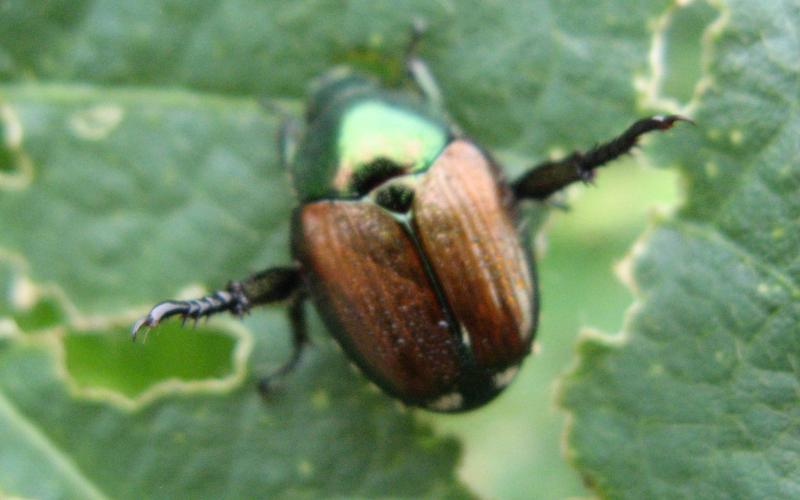
Japanese Beetles
Japanese Beetles (Popillia japonica) are pest beetles feed on trees, ornamental plants and food crops.