Beef Marketing and Economics
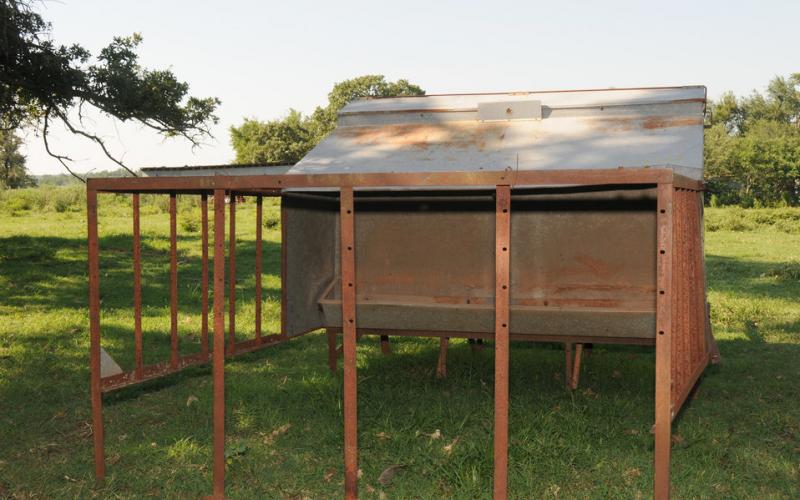
Considering Creep Feeding
Despite what Mother Nature seems to think the summer months are approaching and for some that means rolling out the creep feeder and for others considering whether creep feeding is a necessary investment.
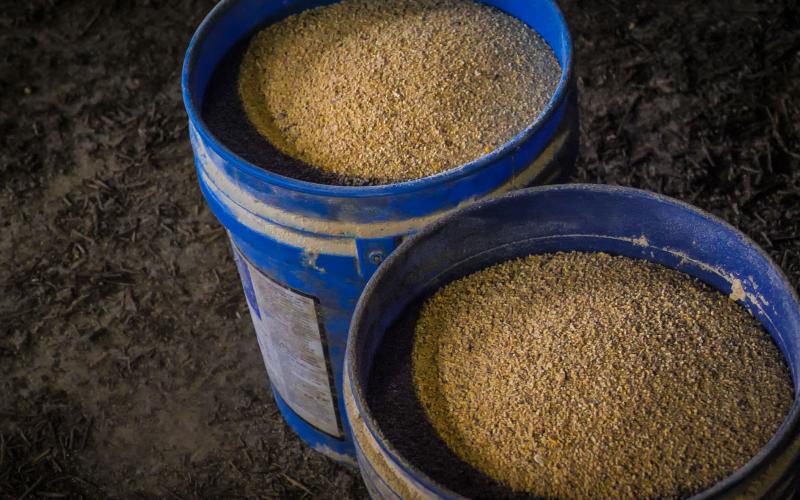
Evaluating Feedstuffs on Nutrient Cost-Comparison Basis
Feed costs in dairy diets typically make up half or more of the input expenses of a ration. Thus, it is imperative to keep a handle on input costs by comparing ingredients on an apples-to-apples basis when looking for cost-effective diet solutions.
Organizers Unveil Lineup for the XXVII Range Beef Cow Symposium
September 21, 2021
Cattle ranchers and industry professionals are invited to hear the latest cutting-edge information and updates at the upcoming Range Beef Cow Symposium Nov. 16-17 in Rapid City, South Dakota.
SDSU Offers Two Delivery Dates for 2021-2022 Calf Value Discovery Program
August 30, 2021
The South Dakota State University Calf Value Discovery Program will accept steers at two delivery times this year due to dry conditions.
Last Chance to Register for 2021 SDSU Extension Feedlot Shortcourse
August 02, 2021
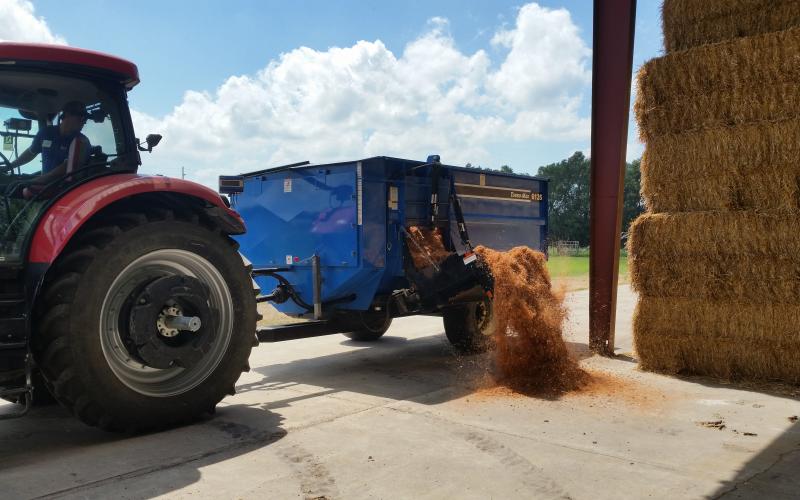
South Dakota State University Extension encourages cattle feeders and backgrounders from South Dakota and surrounding states to attend this year's Feedlot Shortcourse.
Grazing and Recreation on South Dakota School and Public Lands
Ryan Brunner, Commissioner of State School and Public Lands, shares some excellent information for those interested in understanding more about grazing and hunting on South Dakota school and public lands.
Grass-Fed Beef: Production Costs, Quality, Voluntary Certifications and Marketing
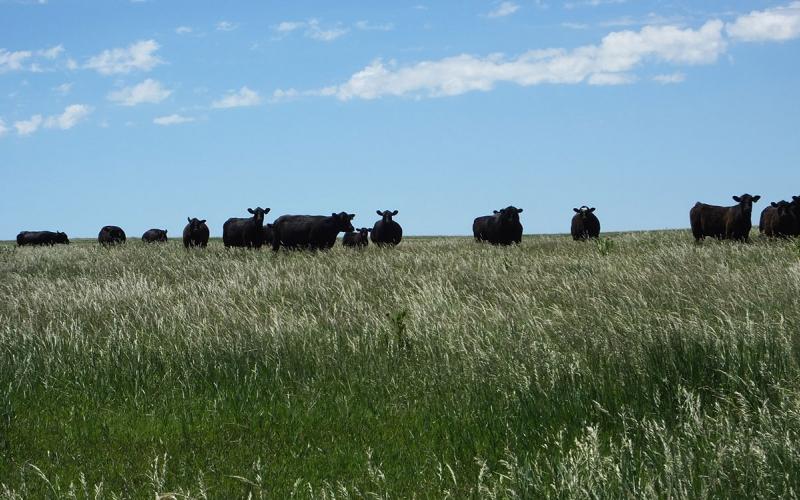
Generally speaking, grass-fed beef producers are challenged with production expenses that are greater than those of conventionally raised beef. However, profit margins can be greater than those of conventionally raised beef if marketed wisely and creatively.
Grass-Fed Beef: Market Share of Grass-Fed Beef
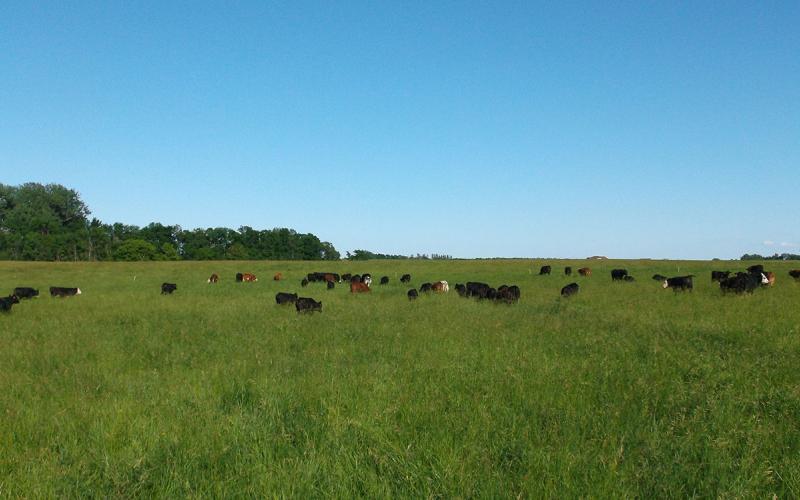
So, how significant is the grass-fed beef industry in America? About four percent of U.S. beef retail and food service sales is comprised by grass-fed beef with a value of roughly $4 billion.
Livestock Risk Protection for Cattle
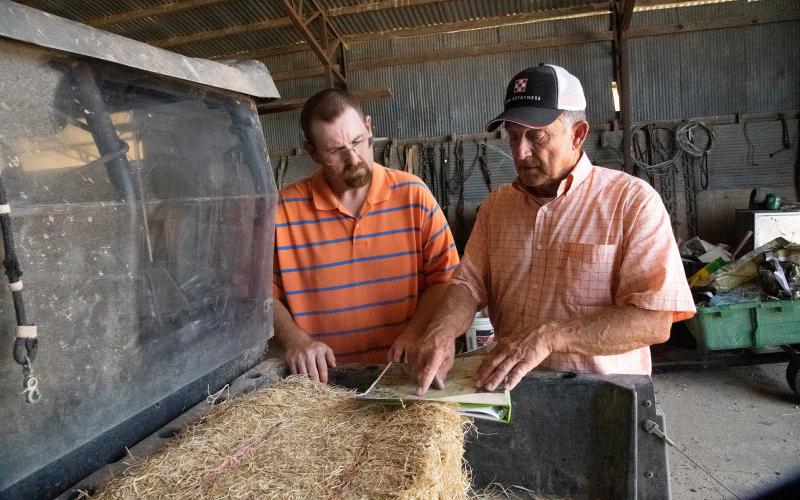
Price rallies, general price volatility and concern that prices may move lower could lead producers to insure livestock prices. Livestock Risk Protection is an insurance program that covers the single-peril or risk of lower prices on fed cattle and feeder cattle.
Haul the Feed or the Cows
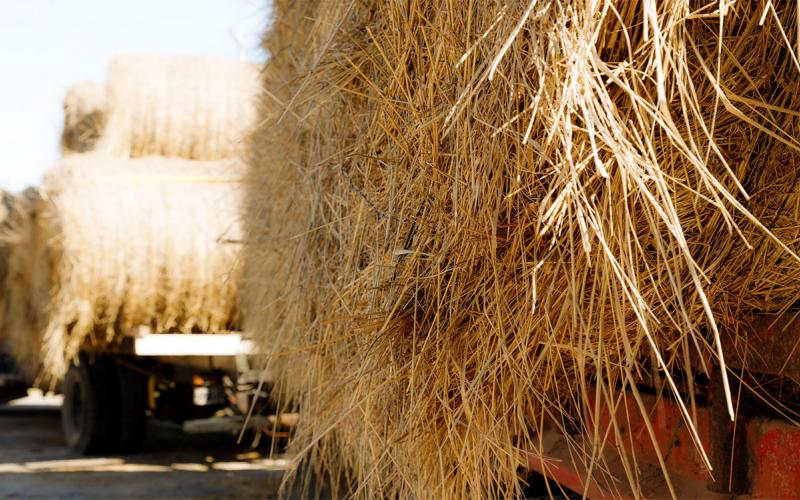
Reduction in pasture forage availability may require producers to decide between hauling feed or hauling cows. Learn how to decide which option is best for your operation.