Beef Marketing and Economics
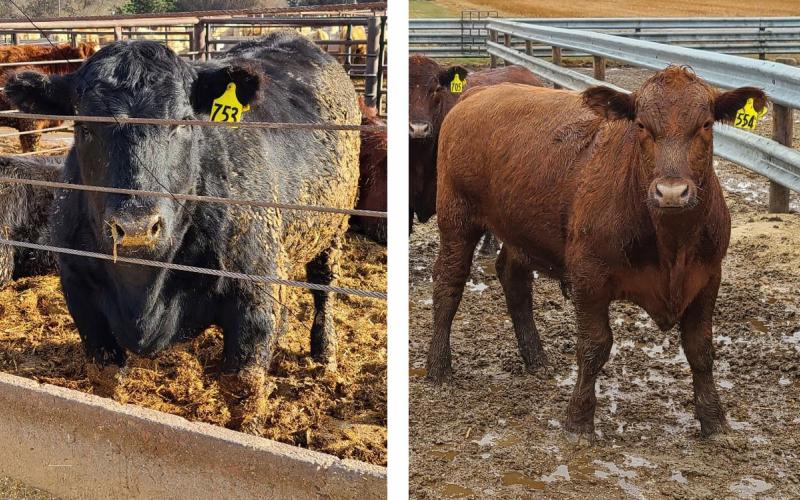
Raising Freezer Beef: When Is the Animal Finished?
Many producers have had their own beef processed for years, and some may have been selling animals to their neighbors on occasion. It's another matter entirely when the objective is satisfying customer expectations, especially if finishing cattle hasn't been a normal part of your operation.
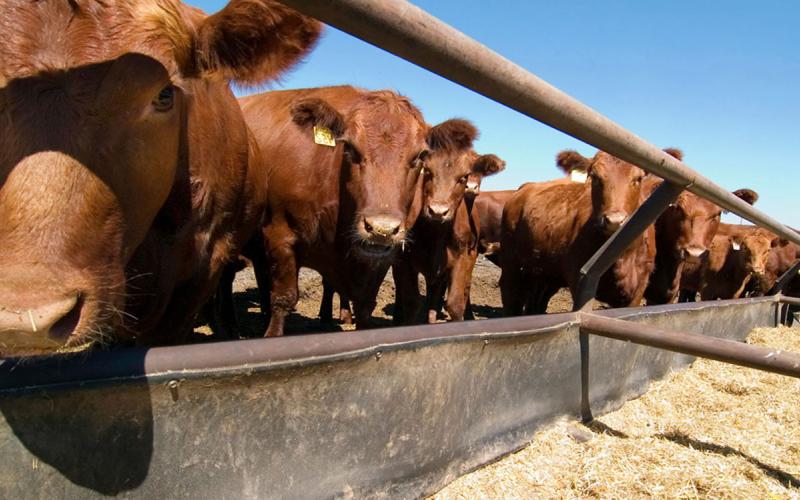
Raising Freezer Beef: Management Considerations
A trend that has become more prominent in recent years is for ranchers to finish a few animals and sell beef direct to the consumer. Proper feeding and management is key to capturing extra value and in meeting customer expectations.
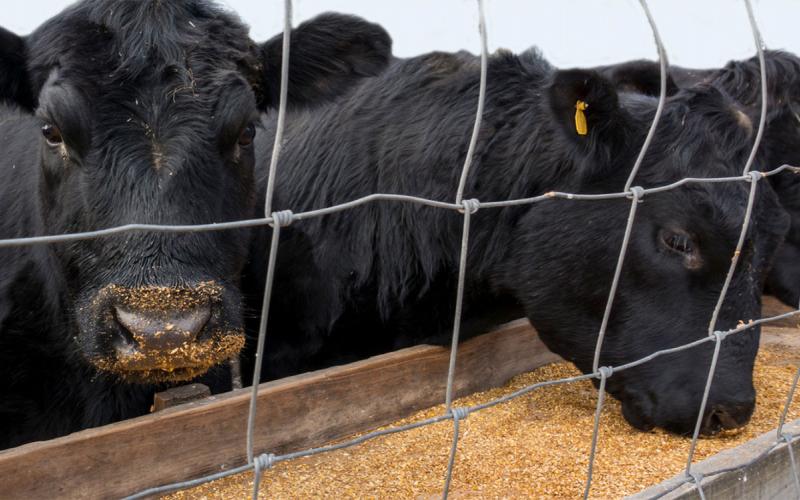
Raising Freezer Beef: How To Feed Grain-Finished Beef
A trend that has become more prominent in recent years is for ranchers to finish a few animals and sell beef directly to the consumer. This article will address a few options for hand-feeding a small group of cattle to finish.
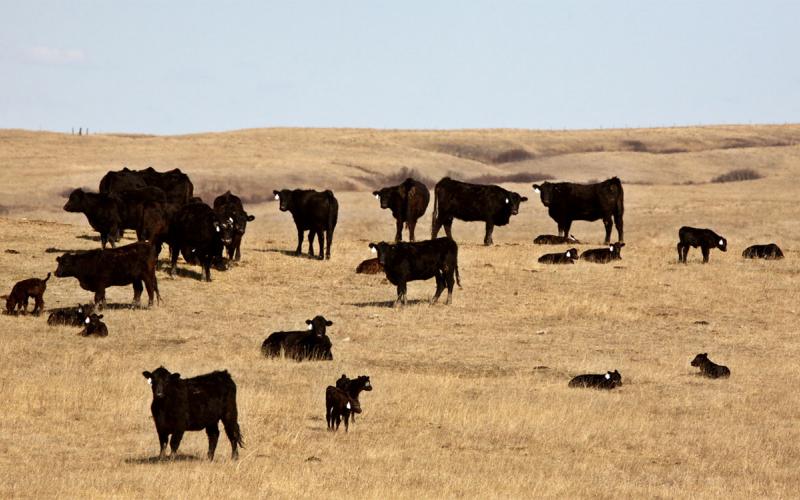
Selecting a Calving Season Based on Matching Nutritional Needs and Resources
Choosing the calving season is a complex and highly individual decision for each beef cattle producer. A primary consideration in pasture-based cow-calf operations is choosing a calving season that will best match the forage supply to forage demand.
Protein Supplementation Options With Grazing Cattle
COVID-19 and the energy economy has had a dramatic negative impact on the ethanol industry, resulting in limited availability of corn distiller’s grains. This has changed availability and pricing of protein feeds.

Variances in Working Capital to Gross Farm Revenues
Learn some of the key differences in working capital to gross revenue among farm types, level of gross sales and by net income.

Farm’s Target for Working Capital
Working capital provides a first line of defense for financial stress and an opportunity to take advantage of bargains that may arise. Learn how to calculate it and determine strategic targets for your operation.
SDSU, NDSU Extension to Host Inspired by Annie’s Project ‘Meat Marketing 101’
July 13, 2022
Industry specialists from both South Dakota and North Dakota will discuss topics, such as consumer preferences, marketing plans, processing and product distribution.
Raising Freezer Beef: Meeting Customer Expectations
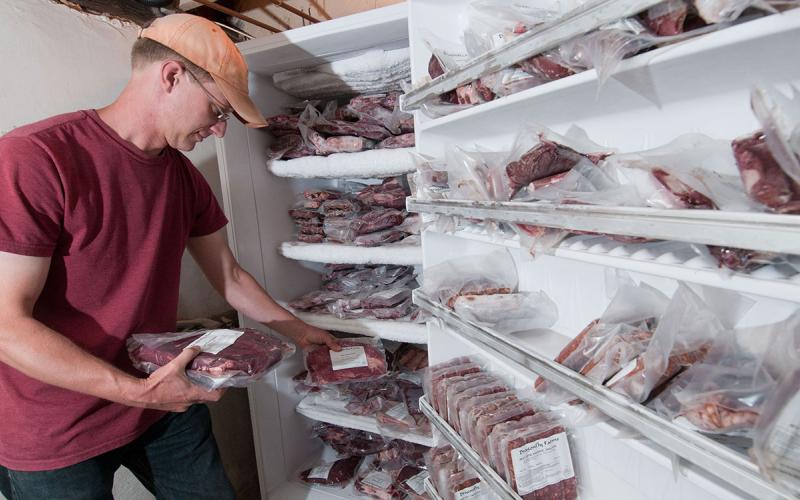
A variety of factors may lead consumers to purchase beef directly from a producer. When purchasing freezer beef, most consumers expect an eating experience that would be as good or better than buying beef from retail.
How Much Meat Can You Expect from a Fed Steer?
The yield of edible meat from a beef carcass often comes as a bit of a surprise, even to those that have had their own meat processed for years. A previous article covered dressing percent—the percent of the live animal weight that becomes carcass weight, which for fed beef is usually around 62-64%. In other words, from a 1200 pound steer, you can expect a 740 – 770 pound carcass.