Animal Health
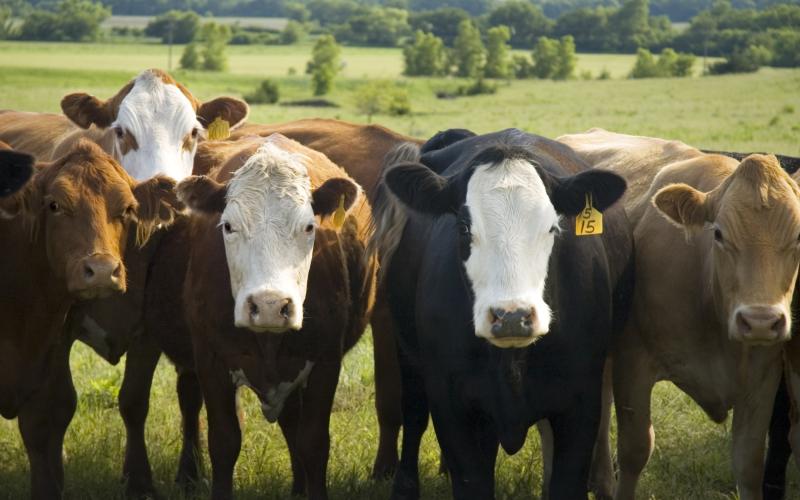
Livestock Vaccines: How They Work and How to Ensure They Do Their Job
Fact sheet about vaccine basics and tips to maintain vaccine viability for cattle producers.

A Low-Cost Solution To Remote Monitoring of Animal Facility Thermal Environments
An appropriate thermal environment is critical for animal growth and health. Learn about a low-cost solution to remote monitor your animals’ thermal environments.
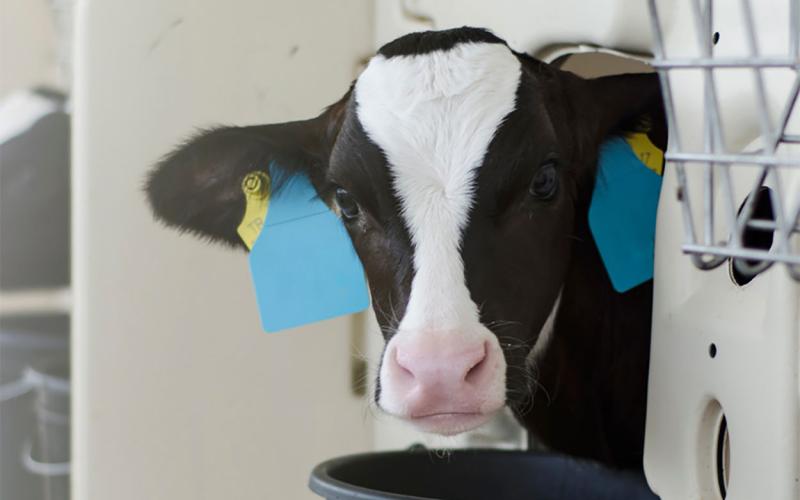
Raising Purchased Baby Dairy Calves: Getting off to a Good Start
Making sure calves get off to a good start often comes down to paying close attention to the right details. A good relationship with the source of the calves and veterinarians will help ensure those details are optimally managed.
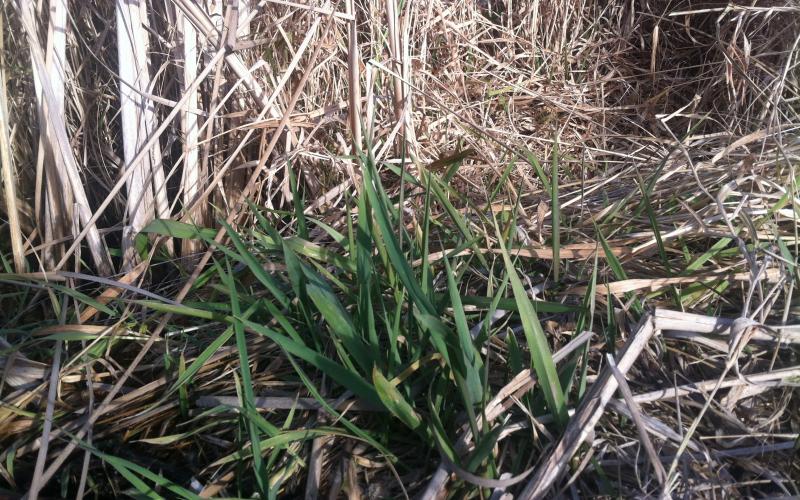
Reed Canary Grass: Possible Prussic Acid & Alkaloid Issues
Prussic acid issues with reed canary grass are poorly understood and may go unrecognized if they occur. This article addresses a little-known but interesting aspect of the biology of reed canary grass.
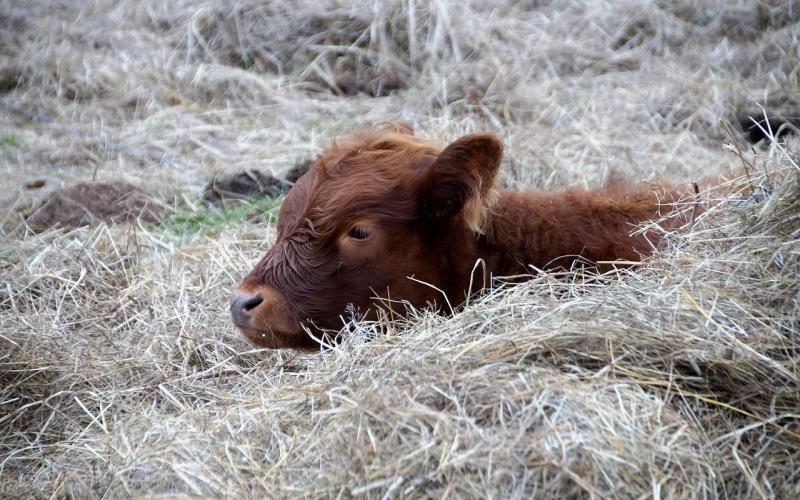
Summer Pneumonia in the Beef Herd
Respiratory disease in pre-weaned beef calves on pasture can be a concern for cow-calf producers, and outbreaks are frustrating for cattle producers and veterinarians alike.
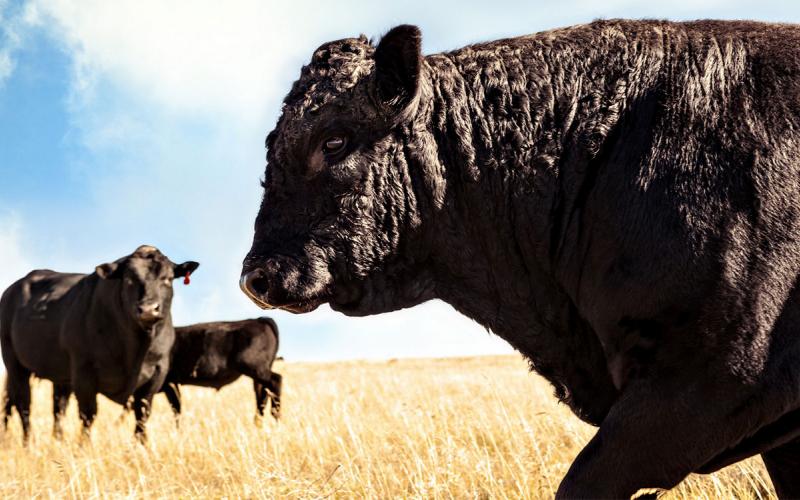
Reproductive Injuries in Bulls on Pasture
While reproductive injuries in bulls might not occur every year in a given cow-calf operation, they’re one of the most-common reasons bulls are examined by veterinarians during the breeding season.

Attending World Pork Expo? Consider Biosecurity
The World Pork Expo will return to the Iowa State Fair June 9–11, 2021. Pork producers and production employees must always be vigilant about biosecurity, especially when visiting industry events.
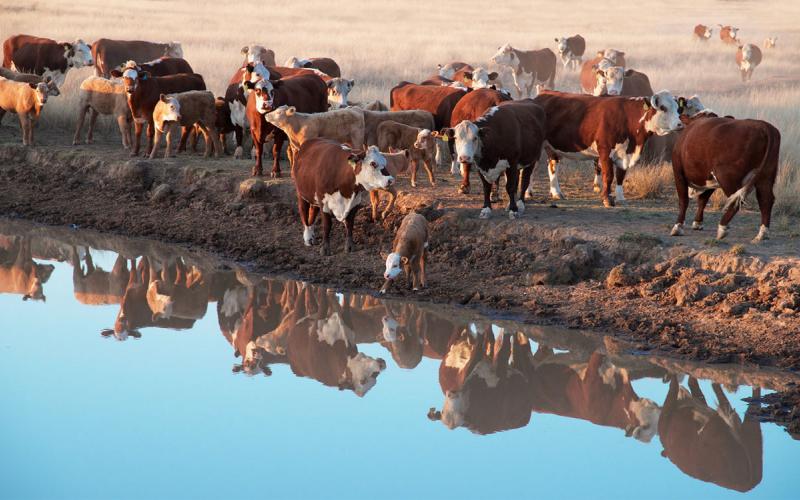
Hot Days Ahead and the Need for Water
Hot summer days are still ahead, and we need to account for water. The amount of water a cow requires varies depending on a variety of factors, including environmental temperature, lactation status and weight.
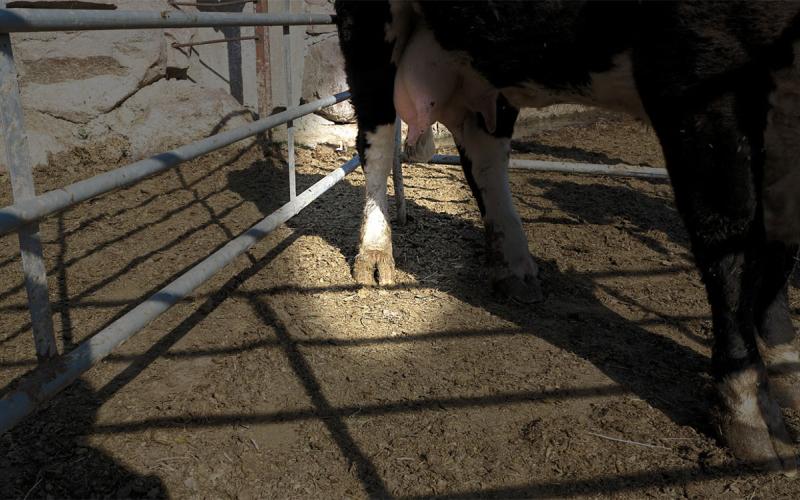
Lameness in Cattle: Causes Associated With Infections
Infections are among the most-common reasons for lameness in feedlot and adult cattle, and in some cases they can be treated or prevented with more success than other causes of lameness.
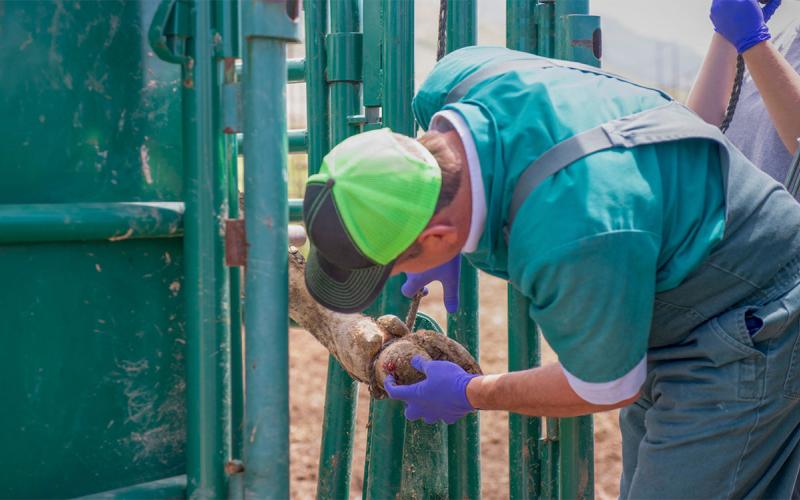
Getting to the Bottom of Cattle Lameness Cases: Diagnosis
Making the right decisions about how to deal with a lame animal depends on how accurately the cause of the lameness can be diagnosed and localized.