Animal Health
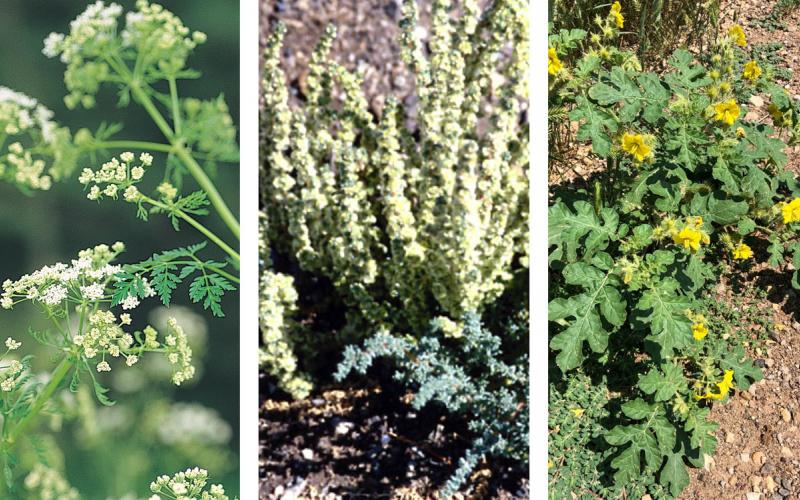
Poisonous Plants on Rangelands: Hemlock, Halogeton and Buffalo Bur
Several species of poisonous plants are invasive and can easily establish dense stands when there is a disturbance on rangelands. Hemlocks, halogeton and buffalo bur can all be found throughout South Dakota and are toxic to livestock.
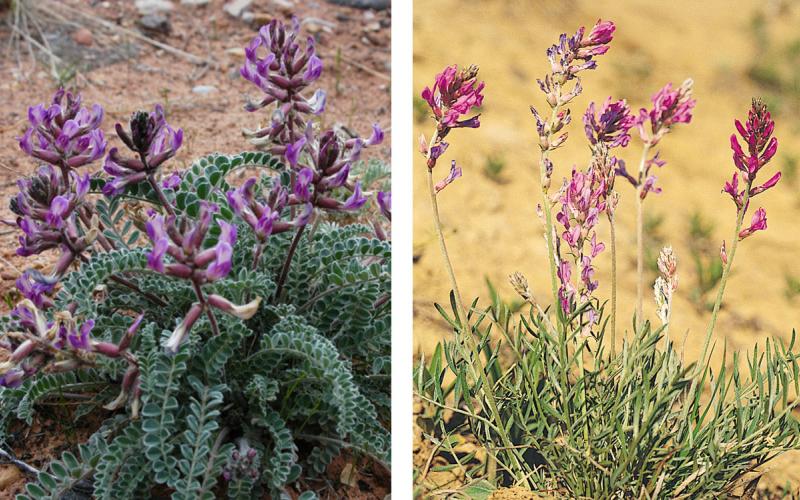
Poisonous Plants on Rangelands: Locoweed and Crazyweed
Locoweed and crazyweed are found throughout South Dakota rangelands, and both can cause livestock poisoning.The names locoweed and crazyweed are often used interchangeably. However, there are notable differences between the species.
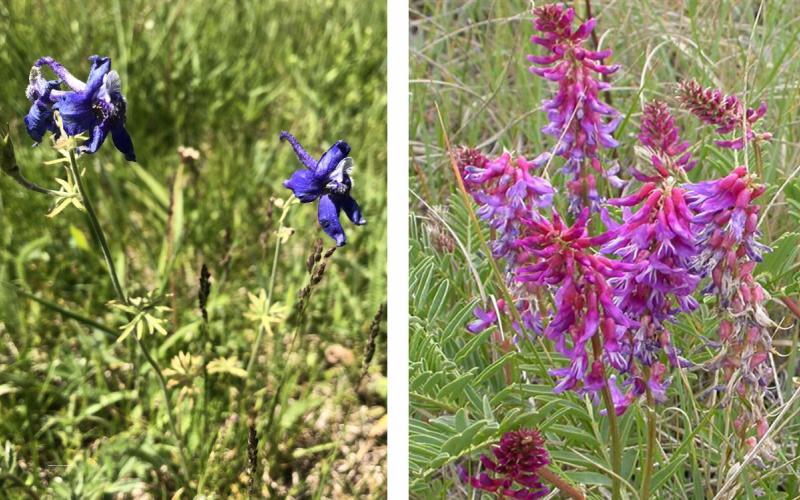
Poisonous Plants on Rangelands: Larkspur and Poisonvetch
Larkspurs are the second leading cause for all livestock deaths from toxic plant poisoning. Poisonvetches are considered accumulator plants that uptake excessive levels of selenium and cause toxicity problems in cattle.
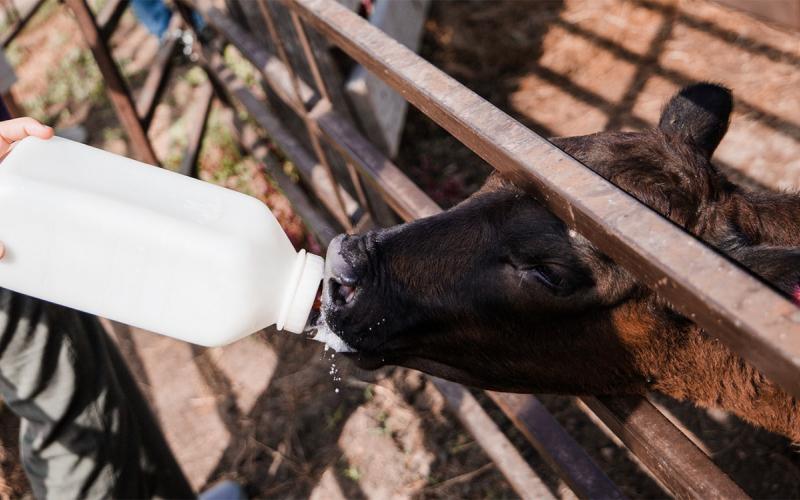
Managing Orphaned Calves
With careful management and proper nutrition, calves orphaned by challenging winter weather can perform similar to calves still on the cow.
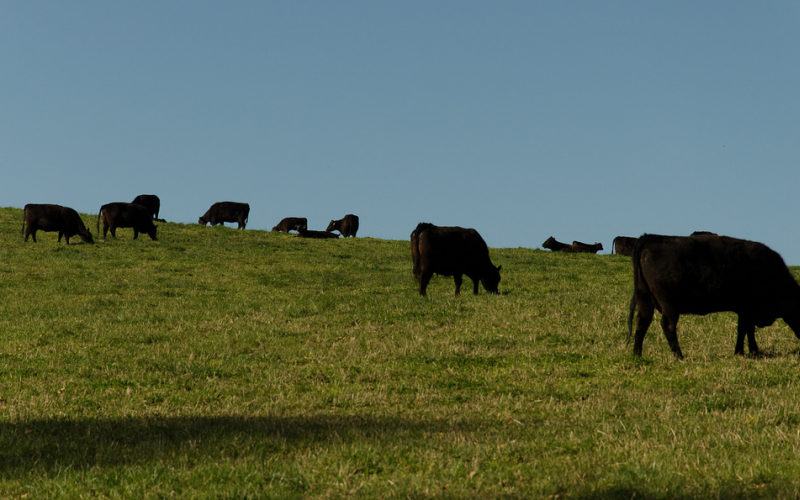
Protein Supplementation Options With Grazing Cattle
COVID-19 and the energy economy has had a dramatic negative impact on the ethanol industry, resulting in limited availability of corn distiller’s grains. This has changed availability and pricing of protein feeds.
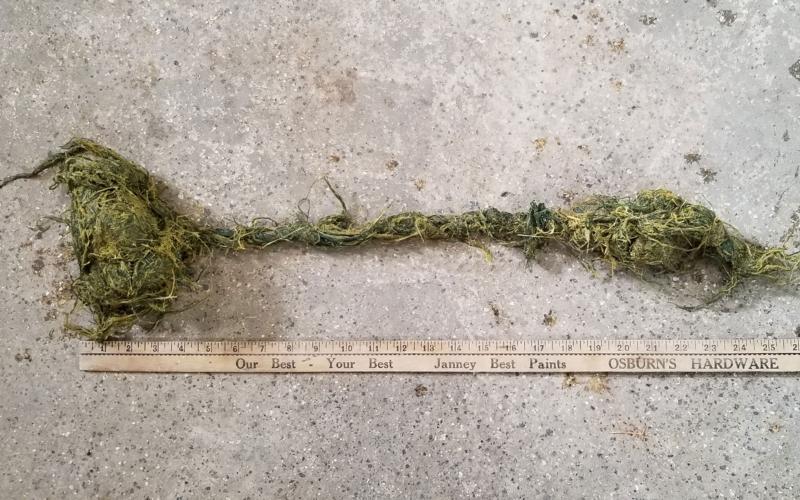
Summary of Forage Binding Survey and Current Net Wrap Research
Recently, cattle producers and veterinarians have become more concerned with the possible ingestion of net wrap or twine from hay bales and the negative impacts it could have on cattle health and performance.

Winter Mineral Nutrition for Beef Cows
Winter supplementation often focuses heavily on meeting protein and energy requirements of cows and tends to leave mineral nutrition as almost an afterthought. In reality, meeting all nutrient requirements, including energy, protein, minerals, vitamins, and water are equally important.
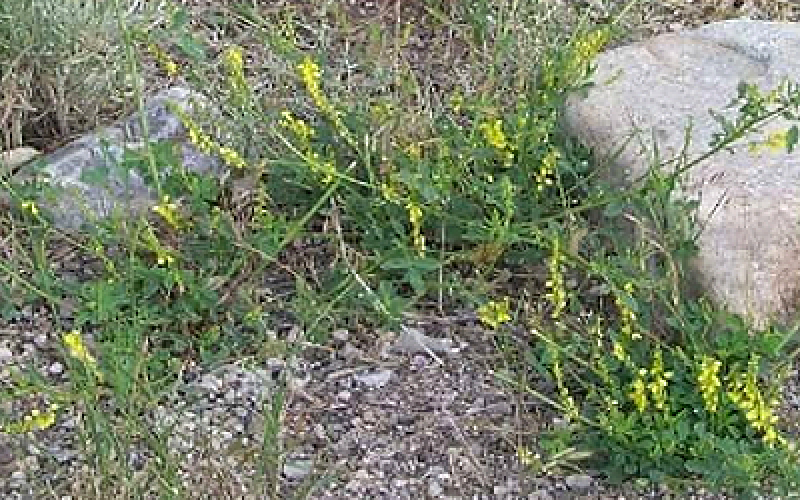
Sweet Clover Poisoning
Hay that contains sweet clover can be an excellent feed as long as the dicoumarol level is known and feeding management is used to prevent poisoning.
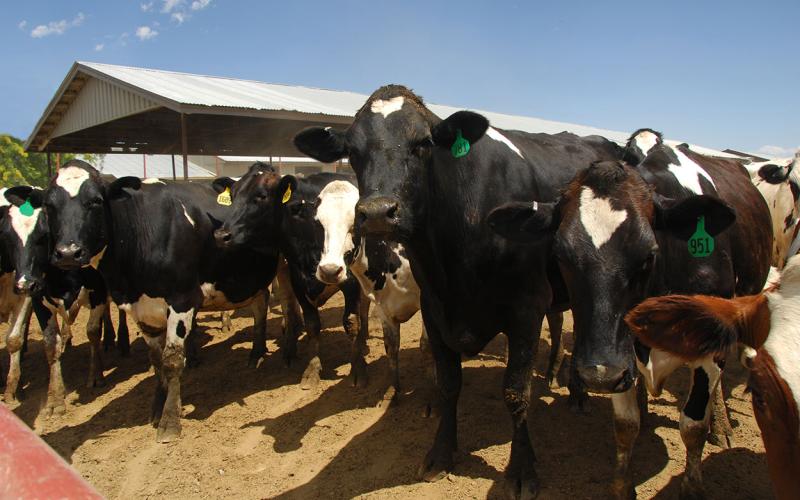
Managing Stress in Dairy Cows
Which stressors are your dairy cows experiencing? The economic effects of stress can be significant, so developing a strategy to manage it can be profitable.

Eating Like a Pig is Healthy
On Thursday, February 25, 2016, Dr. Eric Berg gave a presentation at South Dakota State University on “Eating Like a Pig: The Role of Meat in the Human Diet” as part of the University’s Speakers series.