Search
When the Pens are Empty, the Data Talks
During this episode of Cattle HQ, Madison Kovarna sits down with Dr. Justin Waggoner from Kansas State University.

Resources for Consumers Whose Income is Interrupted
An interruption in income can make a well-planned spending plan a useless financial tool. If you do not have a savings buffer to get you through an income interruption, there are resources available to get your spending plan back on track.

Embracing Technology to Teach Early Literacy Skills
Research suggests that learning happens when children can use multiple senses, such as sight, sound, and touch. With technology, parents, caregivers, and educators can nurture reading skills in new, exciting ways!
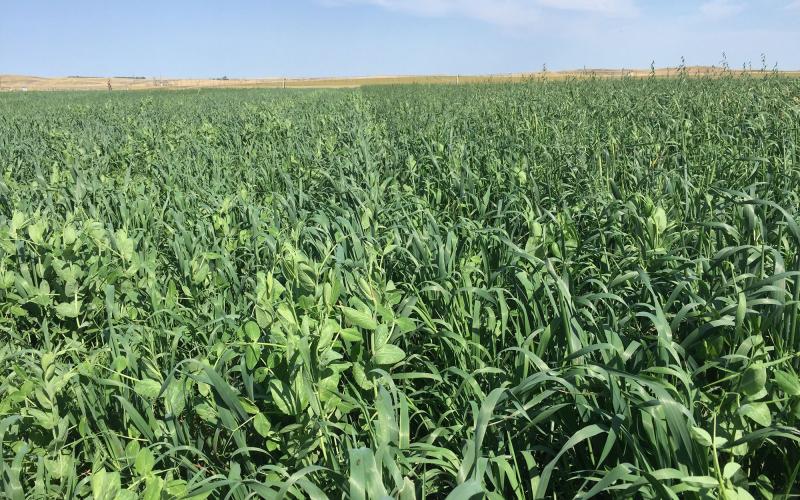
Chickpea Variety Trial Results
2025 chickpea trial results data from locations in South Dakota.
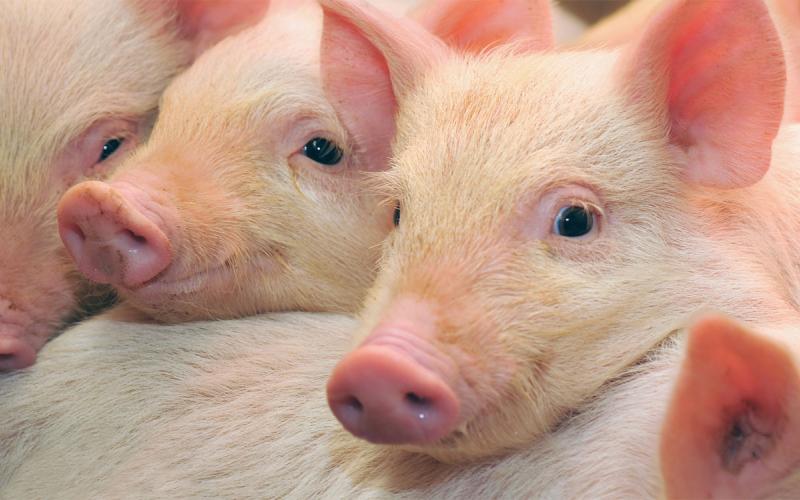
Register now for 2025 Swine Day with SDSU Extension
October 17, 2025
South Dakota State University Extension invites swine producers and industry members to attend SDSU Swine Day on Nov. 4, 2025, in Brookings.
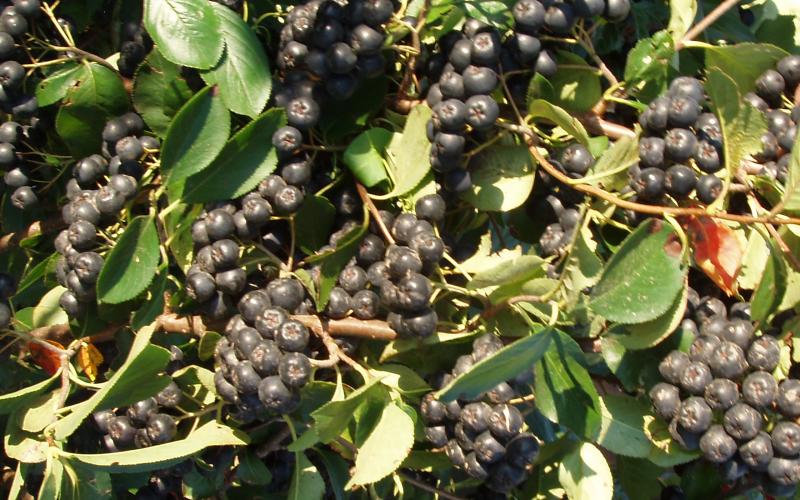
Aronia: Beautiful and Healthy
Aronia melanocarpa, or simply “aronia,” is an attractive shrub that has recently been gaining more attention in the Midwest – its berries are very high in antioxidants thought to be beneficial for human health.
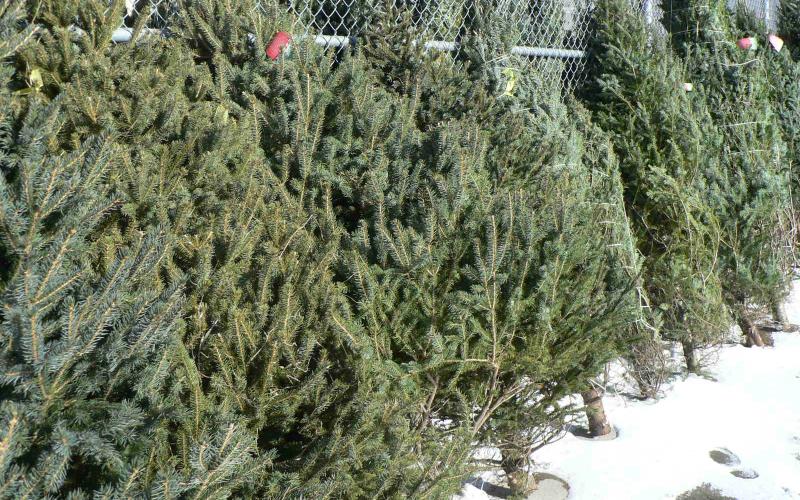
Choosing the Perfect Christmas Tree
Christmas tree lots are already beginning to spring up around the state and Thanksgiving marks the start of the Christmas tree season, with more than 30 million trees being sold between Thanksgiving and Christmas.
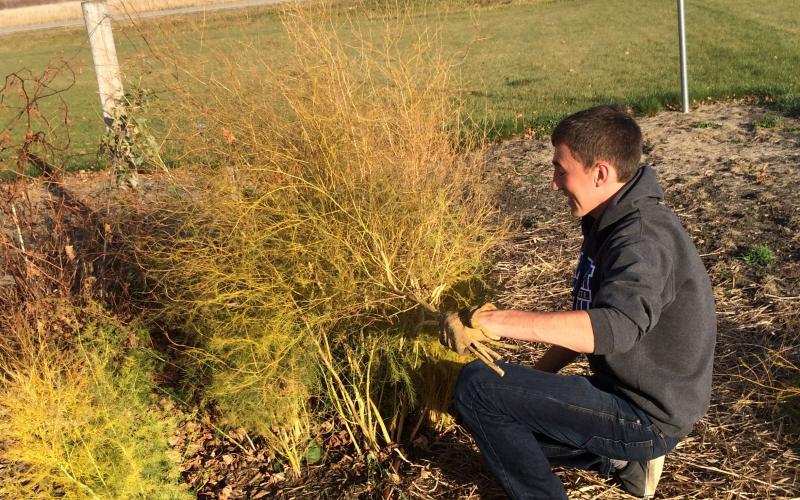
Asparagus
One of the keys to growing healthy asparagus is to allow the plants plenty of time to develop the big ferny stems, starting about the first of July. This ferny growth produces the carbohydrates that the plant needs to grow and also store up for the winter and next year’s initial crop of spears.
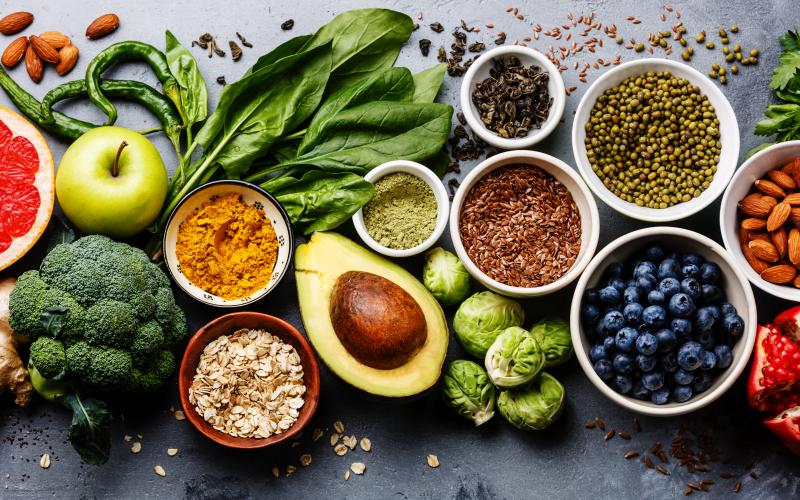
Voices For Food
Resources for Food Councils to bridge the gap between food security and healthy food choices.

Grasshopper Mites in South Dakota
Fact sheet that covers the ectoparasite grasshopper mites.