Search

An Analysis of Margin Protection Crop Insurance on Corn and Soybeans in South Dakota
Margin protection crop insurance, an endorsement/policy that insures producers against rising input costs, is growing in popularity in South Dakota. Recent research investigated how South Dakota margin protection payouts compared to our neighboring states.
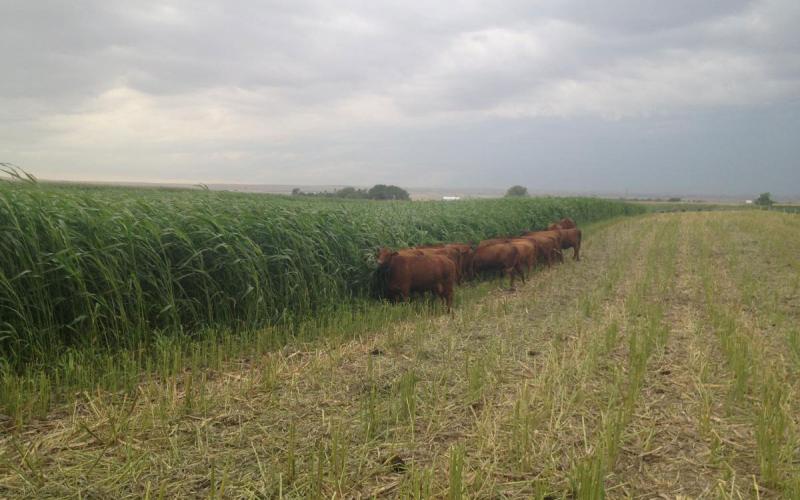
Prussic Acid Poisoning
As the first frost date approaches, producers often have concerns about the risk of prussic acid poisoning in livestock. Certain forage plants, especially sorghums and related species are associated with an increased risk of death loss because of prussic acid poisoning.
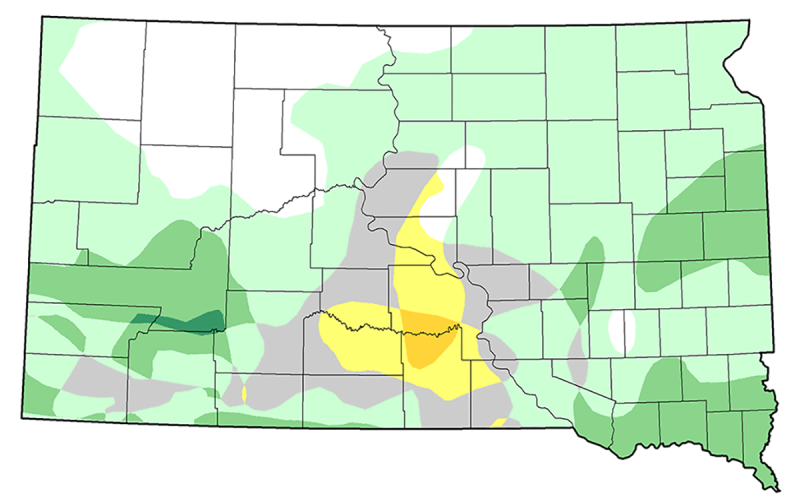
Summer 2025 Climate Review and September Outlook
A record wet August in several locations marked the end of South Dakota’s meteorological summer. One challenge coming this fall will be determining how quickly field and crop conditions dry down to allow harvest activities to progress.

SDSU Extension hosts Sustaining the Legacy Conferences
October 28, 2025
South Dakota State University Extension will continue to assist farmers and ranchers with long-term planning through its Sustaining the Legacy conferences across South Dakota this winter.

How Livable is Your Community?
South Dakota offers great communities for people of all ages and is consistently highly ranked as a great place to age in.
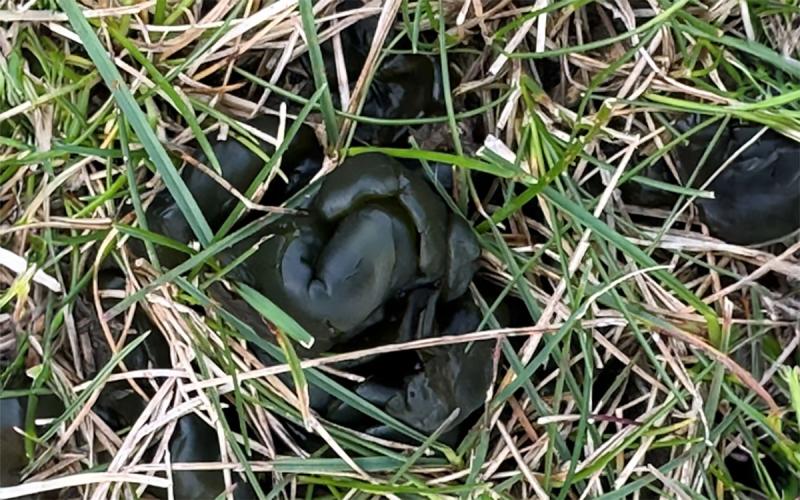
Nostoc in Lawns
Nostoc is a genus of cyanobacteria that form colonies in gelatinous masses. In South Dakota, it commonly appears in home lawns, notably in patches where grass is not growing, especially after periods of rain.

Mental health care vouchers available for ag families through SDSU Extension
October 30, 2025
South Dakota State University Extension is partnering with Rising Hope Counseling to offer up to five free mental health counseling sessions for farmers and ranchers, their immediate family members, and agribusiness professionals.
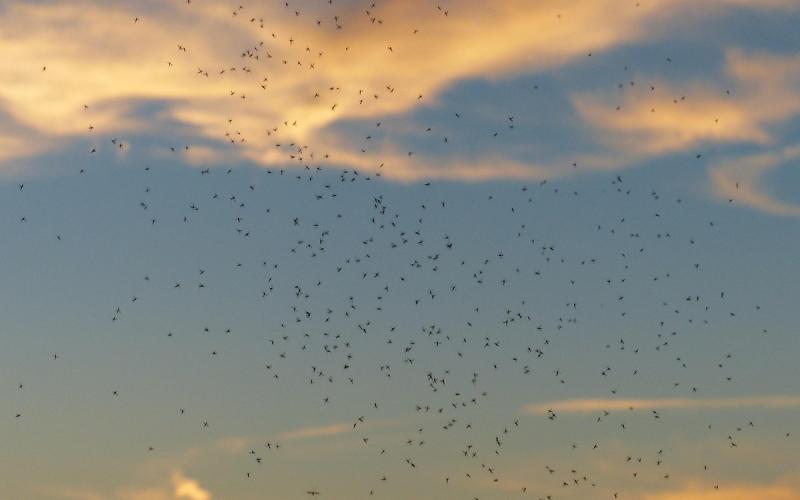
West Nile Virus Update: October 16, 2025
As of October 16, 2025, the South Dakota Department of Health reported 86 human cases of West Nile virus from Aurora, Beadle, Bon Homme, Brookings, Brown, Charles Mix, Clay, Codington, Corson, Douglas, Grant, Gregory, Haakon, Hamlin, Hand, Hughes, Hutchison, Hyde, Lawrence, Lincoln, Marshall, Meade, Miner, Minnehaha, Pennington, Roberts, Sanborn, Spink, Stanley, Todd, Union, Walworth, and Yankton counties.
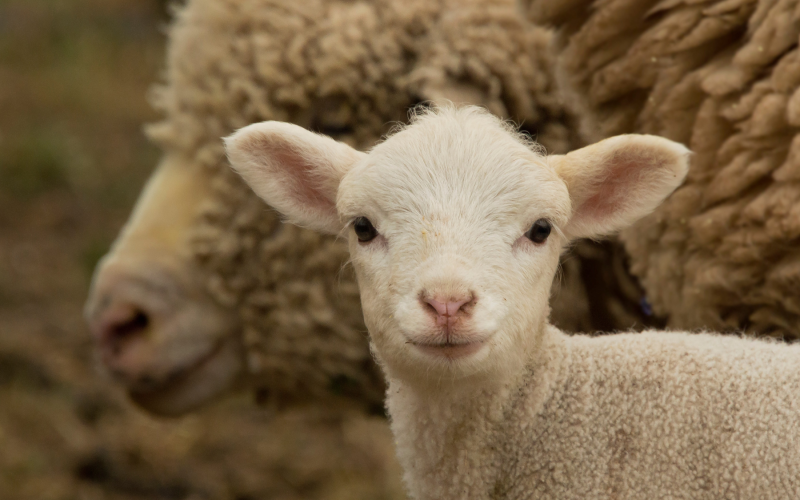
Three outstanding operations receive SD Master Lamb Producer Awards
October 30, 2025
South Dakota State University Extension is pleased to announce the winners of the 2025 Master Lamb Producer Awards.
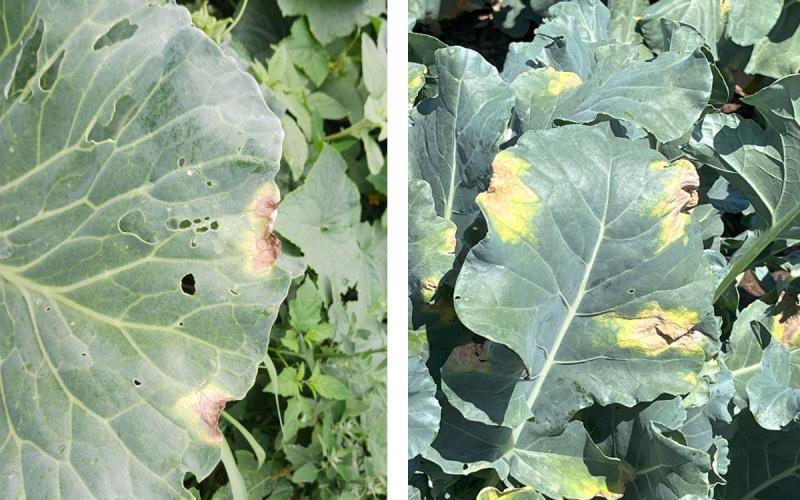
Black Rot of Brassica Crops
Black rot is an uncommon, but devastating bacterial disease in South Dakota that can develop during extended periods of hot and wet weather, leading to rapid and widespread crop loss.