Search
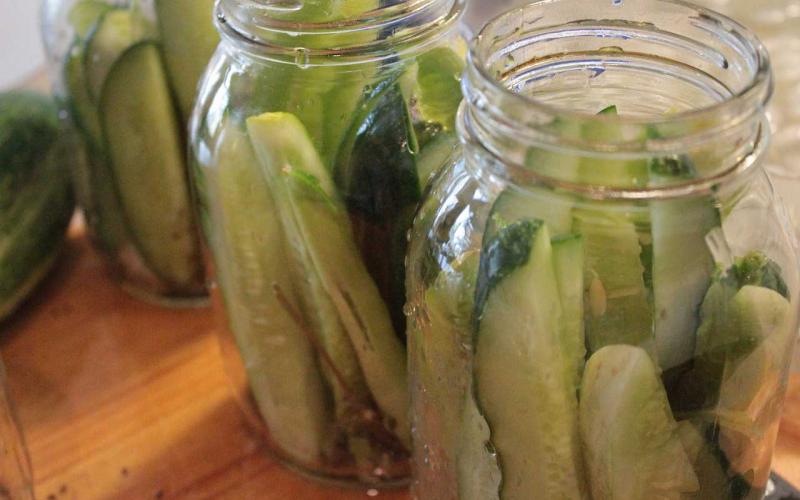
South Dakota Cottage Home Processing Food Safety
The Cottage Home Processing Food Safety course serves as the approved food safety training for HB1322.

Southern Rust, Bacterial Leaf Streak, and Eyespot Are Developing in Corn
Southern rust was found in Yankton County, bacterial leaf streak was found in Brule County, and eyespot was found in several fields and counties the week of July 27, 2020.
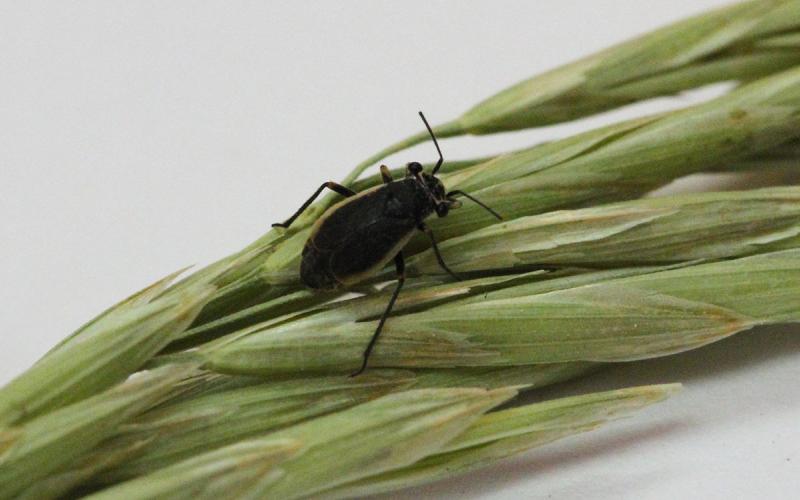
Time to Start Scouting for Black Grass Bugs
In central and western South Dakota, black grass bugs are a common spring forage pest that can cause considerable damage during periods of drought. Learn how to monitor and manage this pest to protect your forages this spring.
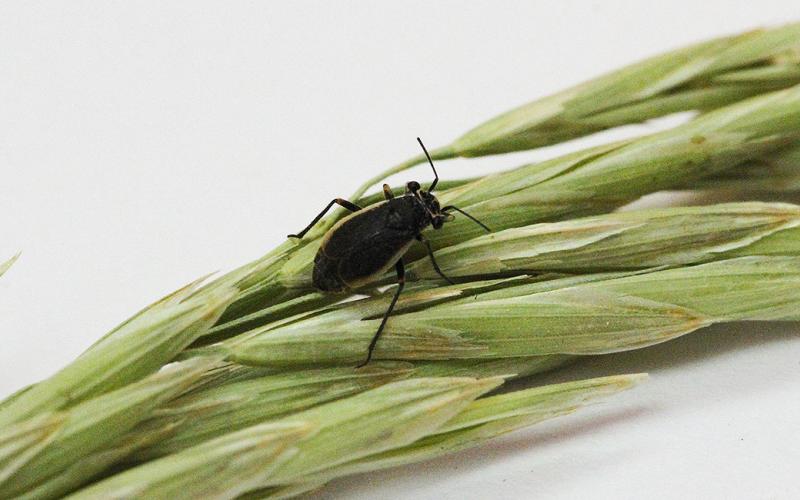
Black Grass Bugs May Cause Issues if Drought Persists
In western South Dakota, black grass bugs are a common spring forage pest that can cause considerable damage during periods of drought. Learn how to monitor and manage this pest to protect your forages this spring.
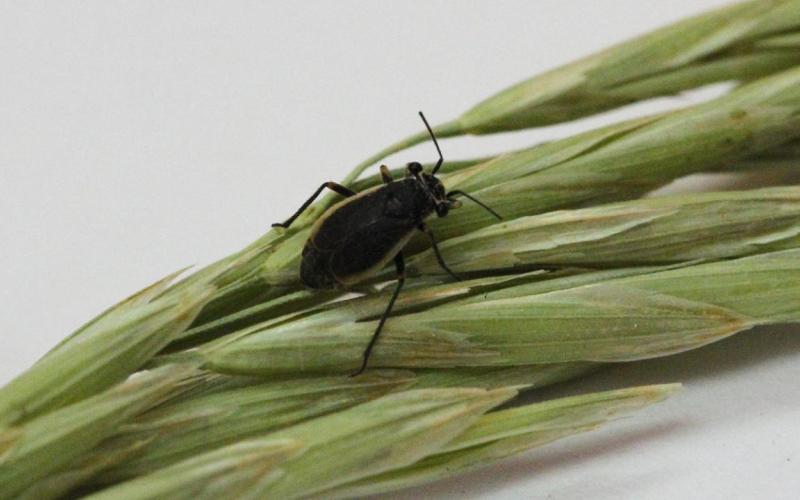
Keep an Eye on Black Grass Bugs This Spring
In South Dakota, black grass bugs are a common spring pest of forage grasses. This native insect first appears in late April and May when grasses emerge from dormancy.

Platte to host 2025 SDSU Extension Energize conference
December 09, 2024
The seventh annual Energize! Exploring Innovative Rural Communities Conference will be on May 6-7, 2025, in Platte. The conference schedule and registration details will be announced in early 2025.
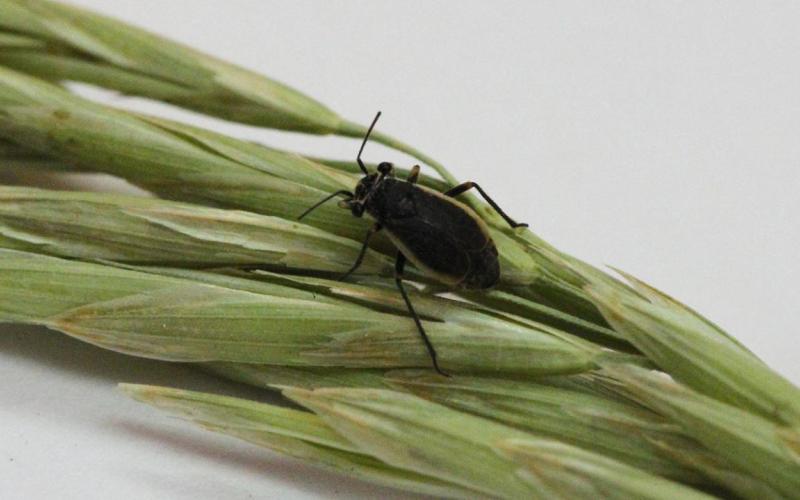
Black Grass Bug Activity Ramping Up
Black grass bugs feed on fresh green growth, which can result in stunted plants and decreased forage quality. Monitoring and potential management of black grass bugs will be of increased importance this spring, especially if drought persists.
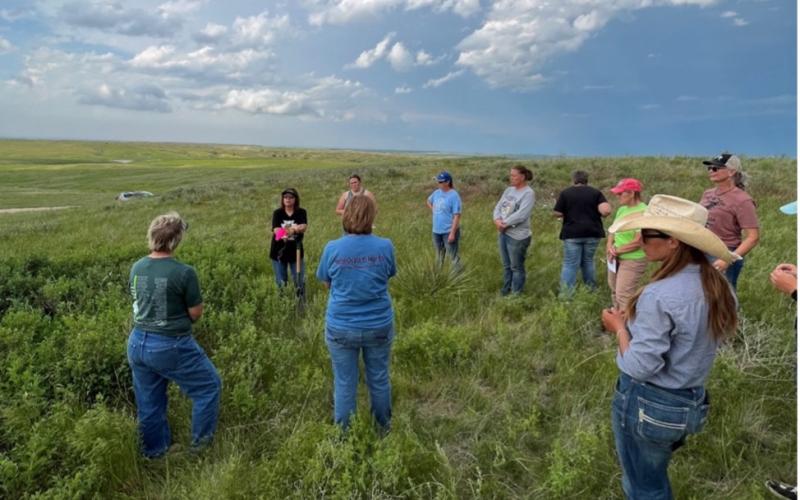
White River ‘Pasture Chat’ offers unique experience for women in agriculture
September 17, 2025
South Dakota State University Extension’s new “pasture chat” event provided a unique experience for women involved in agriculture in the White River region.
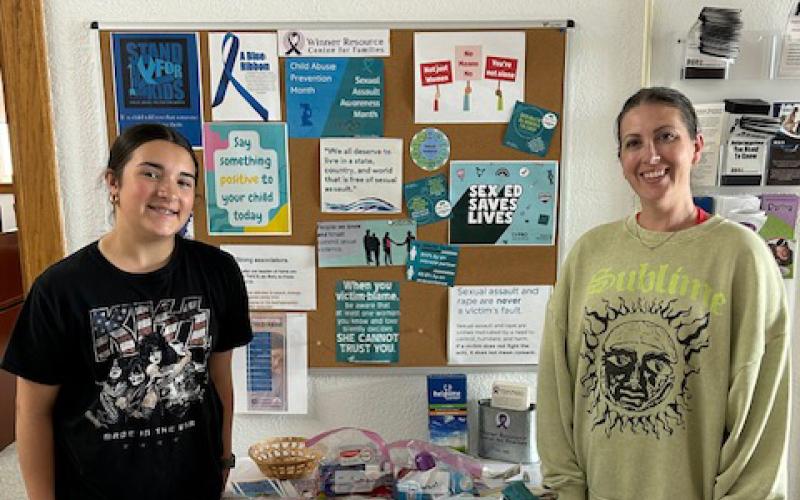
SDSU Extension 4-H donates 894 care kits to people in need
November 22, 2024
For the project, members collected personal hygiene items and packaged them into Clover Care Kits. The kits contained hygiene items like a bath towel, washcloth, toothpaste, toothbrush, shampoo/conditioner, soap and deodorant. 4-H members and their families donated 894 kits to organizations that serve people in need across the state.
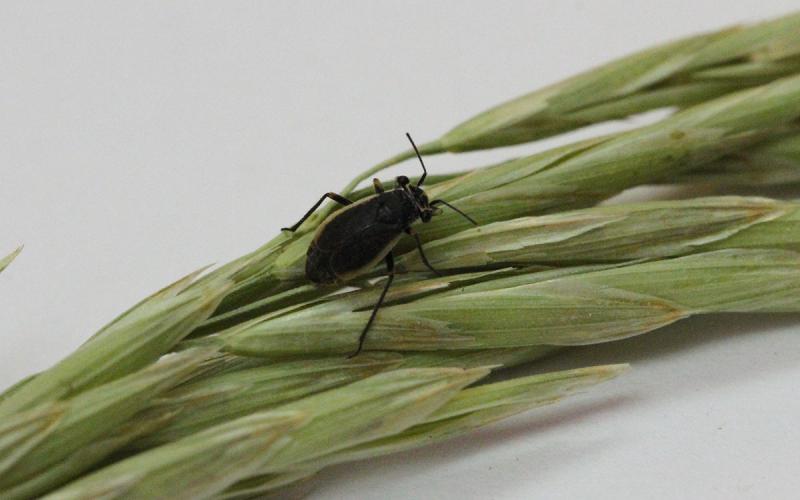
Drought Conditions Magnifying Impact of Black Grass Bugs
Black grass bugs are a common early-season pest of forage grasses. Drought conditions exacerbate their impact by stressing plants and reducing their ability to tolerate and recover from feeding injury.