Search

Understanding Hay Inoculants and Preservatives on ‘Dry’ Hay
As haying season approaches, producers across South Dakota will begin preparing to get out the baler. In recent years, it has been quite difficult for many producers to put up quality, dry hay. This often results in growers considering using inoculants and hay preservatives.
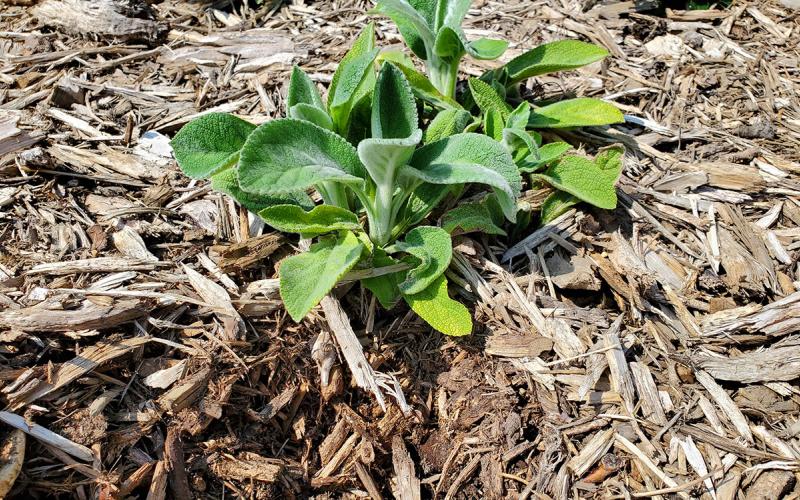
Organic Garden Mulches To Conserve Moisture and Prevent Weeds
If you want to reduce time spent in your vegetable and flower gardens watering or pulling weeds, consider mulching the soil surface with an organic material to improve plant health and your enjoyment of the garden.

Producing Organic Cabbage and Sweet Corn with Cover Crop Integration and Reduced Tillage: Updates from the SDSU Southeast Research Farm
Research on clover cover crops grown in combination with four tillage and weed suppression methods was conducted at the SDSU Southeast Farm. Vegetable crops trialed included sweet corn and three varieties of cabbage.
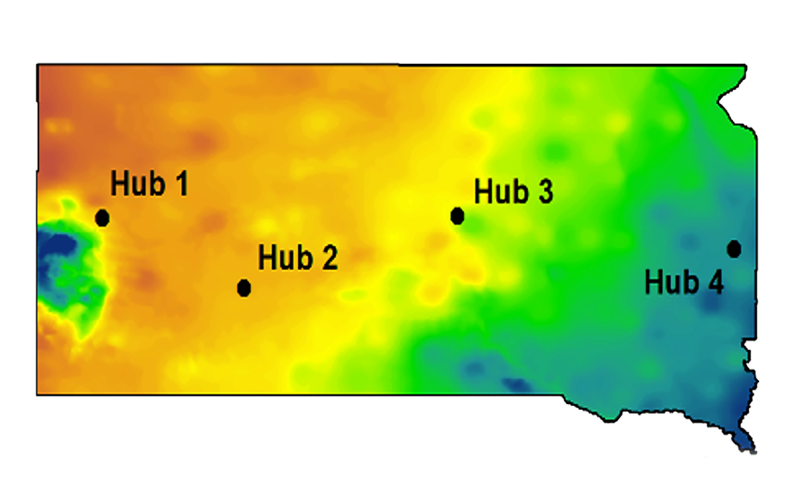
Range Roundup: Precision Agriculture Range Project With Producer Participation
SDSU Extension researchers started a new precision agriculture range project using remote sensing, machine learning, and ground-collected vegetation samples to develop an application to measure forage quality and quantity throughout the state in near real-time.
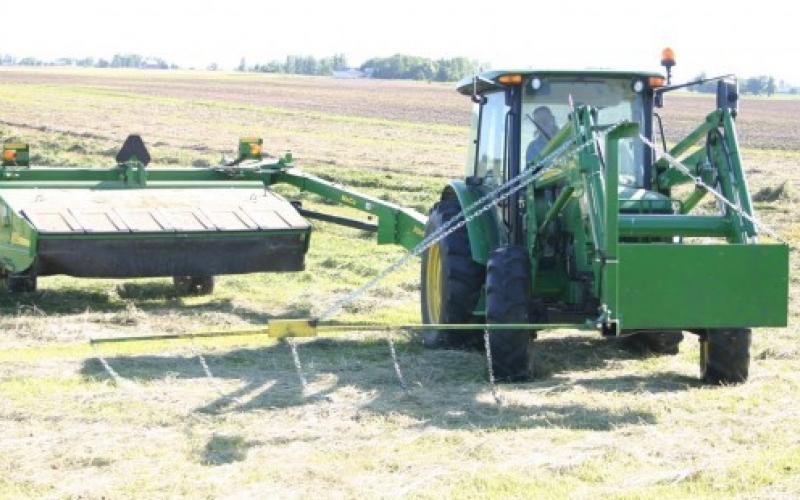
Haying With Wildlife in Mind
Anyone who has spent time cutting hay knows that hayland can be a magnet for wildlife in late spring and early summer. Hay fields are often considered an “ecological trap” for wildlife; that is, they appear to be high quality habitat for nesting or feeding due to tall, dense grass and legumes, but often lead to increased mortality once harvesting is under way.
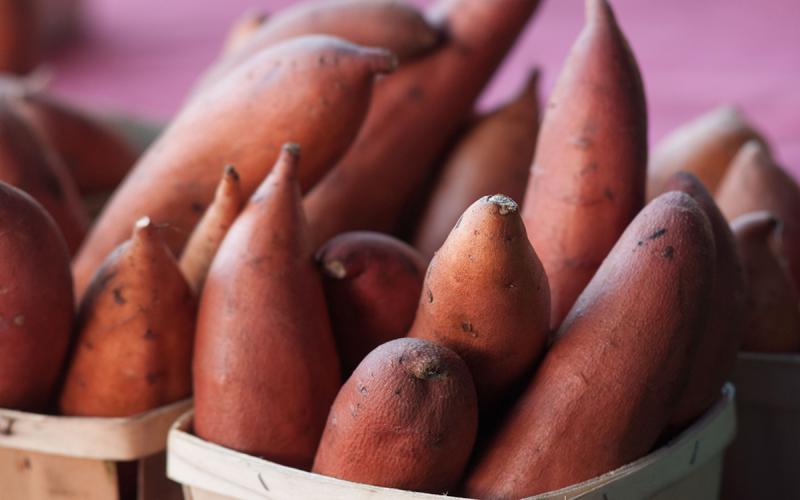
Sweet Potatoes: How to Grow It
Sweet potatoes are native to Central and South America, and their tasty orange flesh is a dietary staple in warm climates. Learn some expert tips for planting, growing, and harvesting them in this resource!
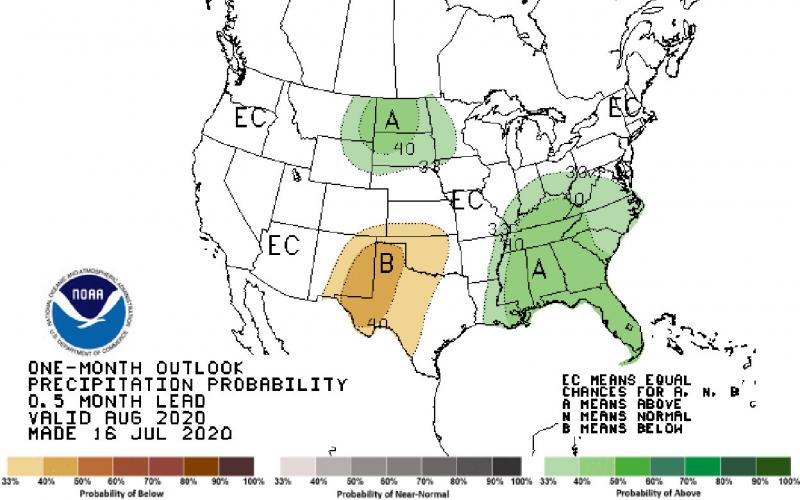
Late Summer 2020 Climate Outlook
Drought concerns in South Dakota may be relieved later this summer, according to the NOAA Climate Prediction Center’s seasonal outlook released this week.
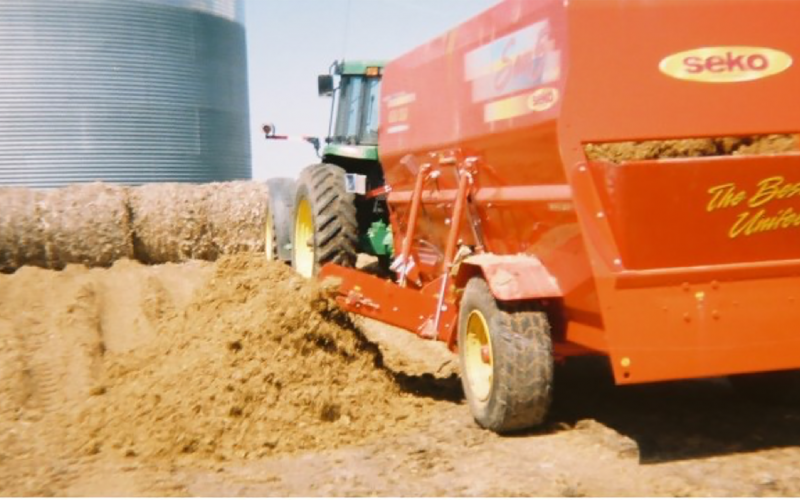
Storing Wet and Modified Distillers Grains
One of the primary challenges for livestock producers in the coming months could very well be feedstuff cost and availability due to the fact that the corn planted acreage and crop progress are both well behind normal benchmarks. One opportunity that might help cattle feeders proactively secure feed supplies would be storing wet or modified distiller’s grains now to be fed at a later date.
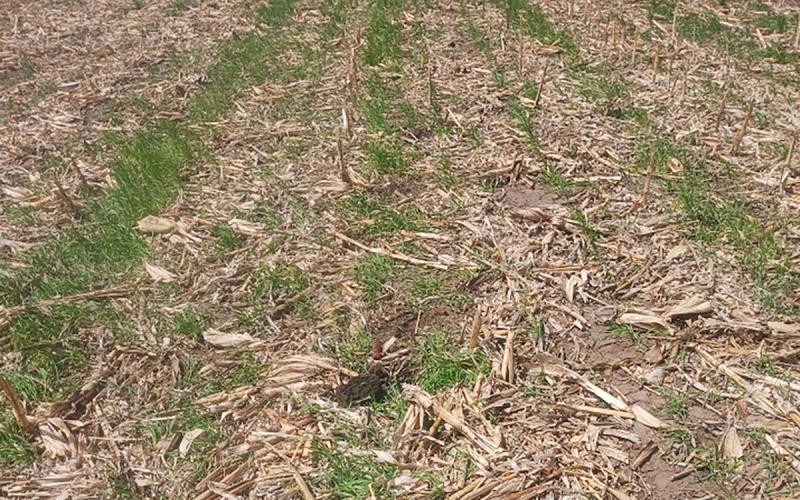
Effects of Different Cereal Rye and Winter Camelina Seeding Rates on Biomass Production and Soil Properties When Broadcast Seeded
Benefits to soil health generally increase as cover crop biomass production increases. Recent research sought to determine how the seeding rate of two cover crop species and mixtures affected biomass production and some soil health indicators.
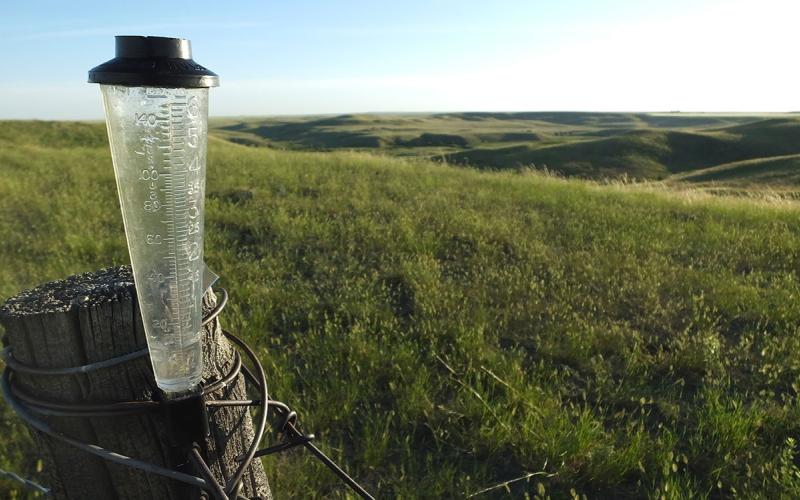
Five Range Management Principles: #5 Climate Ready
Understanding your ranching system is critical, and identifying anticipated soil-plant-animal responses during periods of dry, wet, or normal conditions will enable you to develop climate-ready practices. Learn how to get started today!