Search
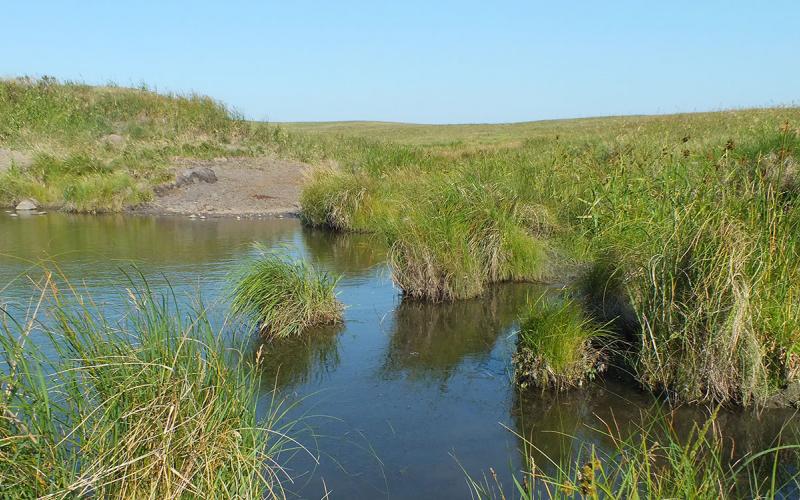
Private Property vs. Public Access: Managing Non-Meandering Waters in South Dakota's Prairie Pothole Region
Fact sheet on managing non-meandering waters in South Dakota's prairie pothole region.
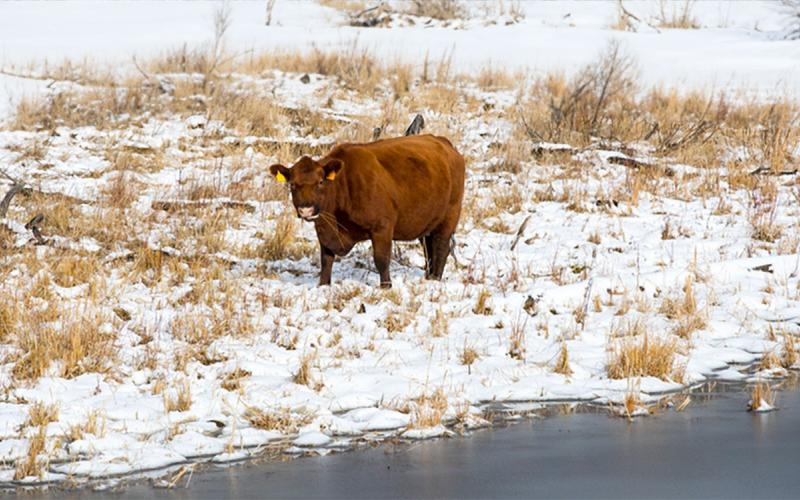
Icebreakers: Winter Water Supply
Cold weather creates a challenge for producers who house their herds in areas where there are limited water resources and available natural water sources may be frozen over.
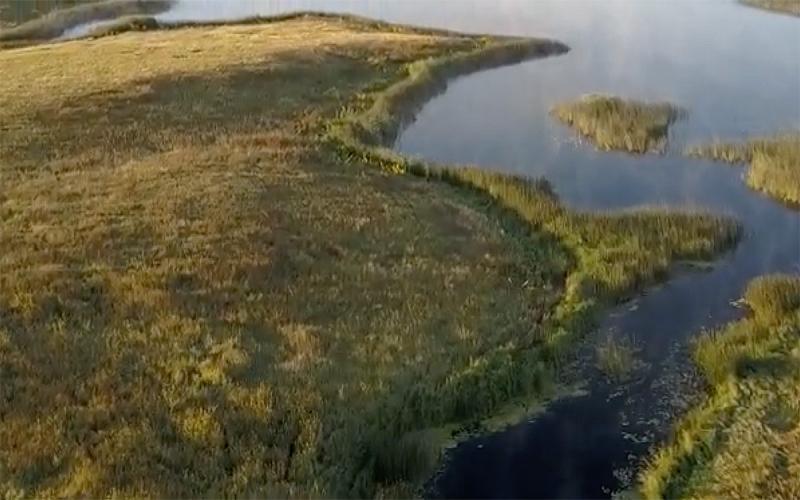
Prairie Pothole Wetlands: Small Basins, Big Impact
The benefits of prairie wetlands extend far beyond wildlife. These wetlands filter pollutants and excess nutrients from agricultural and urban runoff, trap sediment, recharge groundwater, and store floodwater.
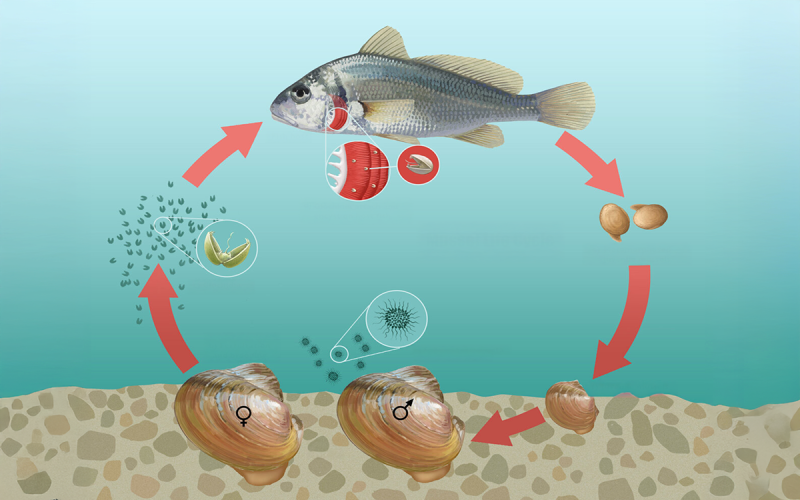
The Importance of Fish for Native Freshwater Mussel Reproduction
To reproduce, freshwater mussels rely on fish to carry their young into new areas and disperse them when they are old enough. By conserving suitable fish habitat, it also allows us to indirectly conserve mussels by providing necessary resources for mussels to reproduce.
Feed Management for Efficient U.S. Livestock Systems: Introducing the National Animal Nutrition Program’s Feed Management Committee
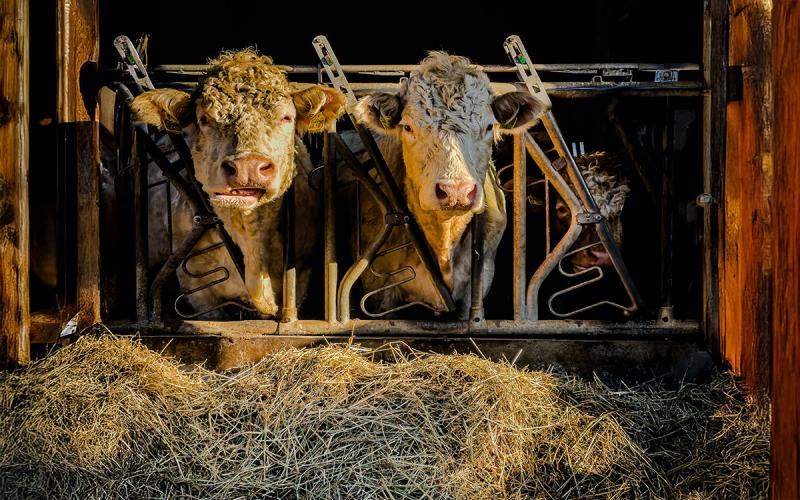
The National Animal Nutrition Program’s Feed Management Committee brings together experts in animal science, nutrition, and natural resource management to increase awareness and use of livestock feeding management and to address conservation needs.

SDSU Extension range workshop offers unique educational opportunity in Rosebud
September 02, 2025
The eighth annual Rosebud Range Workshop, led by South Dakota State University Extension and partners, was held on July 16, 2025, at the Rosebud Sioux Tribal Ranch and provided participants a unique opportunity to learn about rangelands.
West Nile Virus Update: September 3, 2025
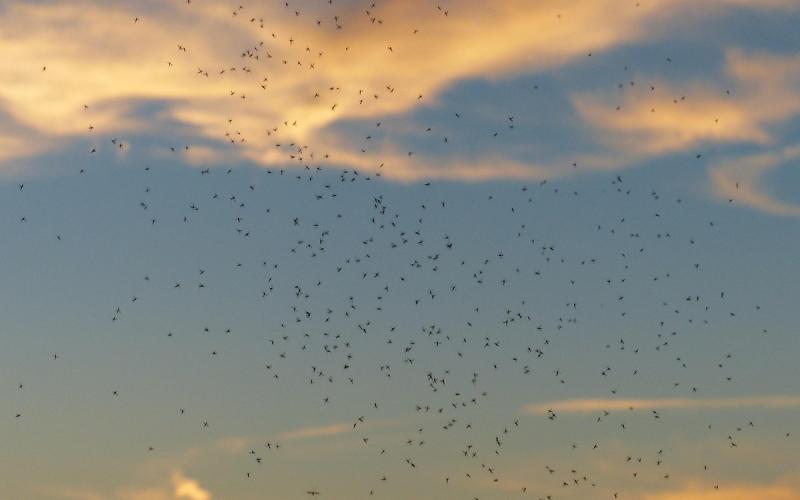
As of August, the South Dakota Department of Health indicated that West Nile Virus positive mosquito pools have been detected in Beadle, Brookings, Brown, Codington, Hughes, Lincoln, and Minnehaha counties.
West Nile Virus Update: September 10, 2025
As of September 10, 2025, the South Dakota Department of Health (SD DOH) reported 59 human cases of West Nile virus from Beadle, Bon Homme, Brookings, Brown, Charles Mix, Codington, Corson, Grant, Gregory, Hamlin, Hand, Hughes, Hutchison, Hyde, Lawrence, Lincoln, Marshall, Meade, Miner, Minnehaha, Pennington, Sanborn, Spink, and Walworth counties.

A Strategic Community-Based Survey of Water Resource Management in South Dakota
Understanding how residents value water is critical for effective resource management, and your insights can help us better understand community values and inform future strategies for sustainable water management across the state.

SDSU Extension Announces Interim Leadership Roles
September 24, 2025
The South Dakota State University College of Agriculture, Food and Environmental Sciences has announced interim roles for several SDSU Extension leadership positions.