Search
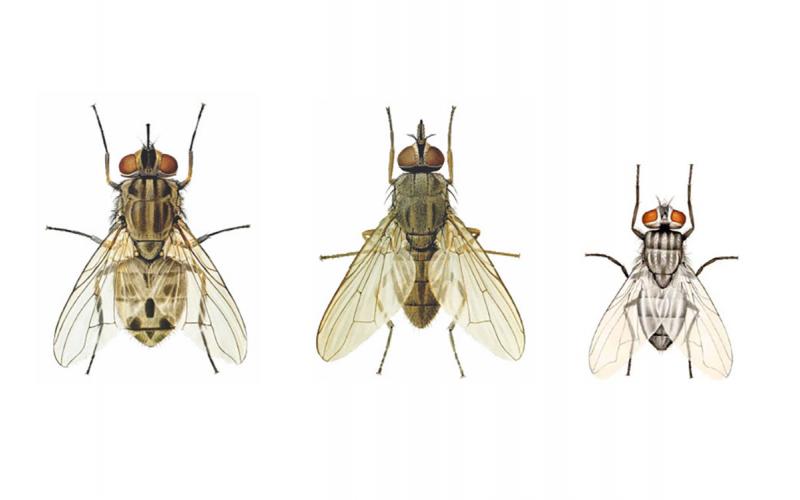
Fly Control Considerations for Cattle on Pasture
Along with being irritants to livestock, horn flies, face flies and stable flies are economically important to producers due to their negative impacts on milk production and calf weaning weights.
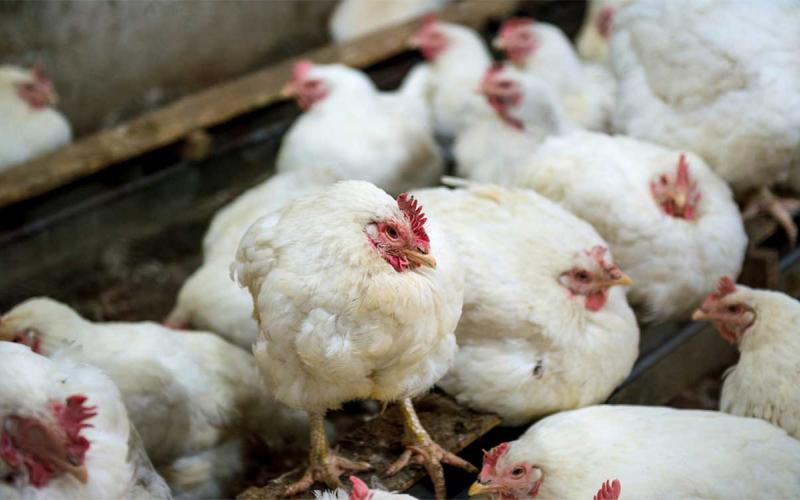
Importance of Chicken Infectious Bronchitis Virus: Q&A
Infectious bronchitis virus (IBV) is a coronavirus that infects chicken flocks, causing respiratory disease. Some IBV isolates can result in a kidney disease (nephritis). Drop of egg production in laying hens is an important sign for IBV infection.
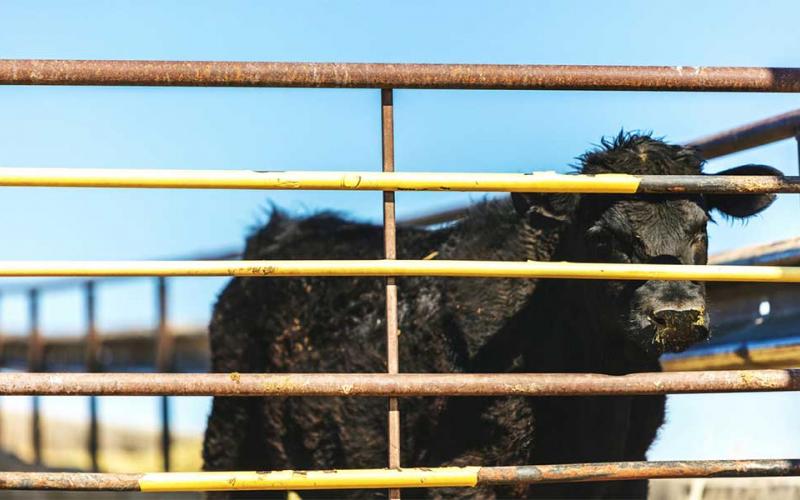
Mycoplasma Bovis in Feedlot Cattle: Why It’s Different and How It Causes Illness
Mycoplasma bovis is widely distributed throughout feedlot cattle populations. The insidious nature of Mycoplasma infections, and their ability to become well-established by the time they’re observed, create challenges for treatment and prevention.

Producing Safe Food Means On-Farm Antimicrobial Stewardship
Antibiotic stewardship and residue prevention programs can help establish trusting relationships with end users by ensuring safe, wholesome meat or dairy products on your farm.

Financial Ratios and Trend Analysis
Financial Ratios and Trend Analysis is designed to formulate financial ratios and data, utilizing information provided by the producer.
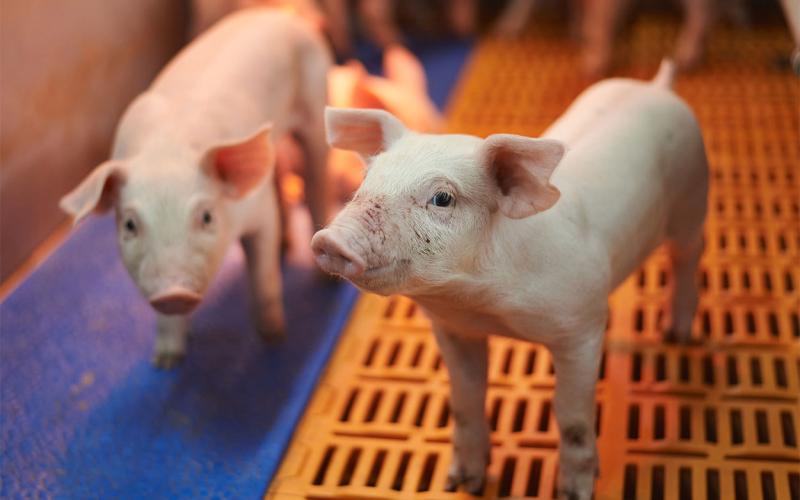
Nursery Pig Management
Piglet transitions from the farrowing room to the nursery or wean-to-finish barn are important foundational steps towards producing full-market value finisher pigs.

Silage Covering and Harvest Management to Maximize Feed Value
Covering silage piles is critically important to control nutrient loss in silage, but what covering strategies result in the best-quality feed? Learn what a recent SDSU Extension research project found out.
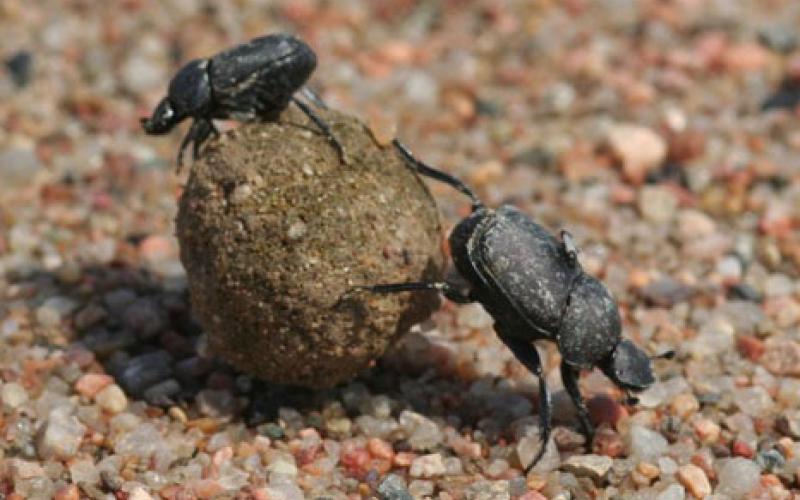
An identification guide to common Dung Beetles of South Dakota
A guide of common dung beetles of South Dakota.
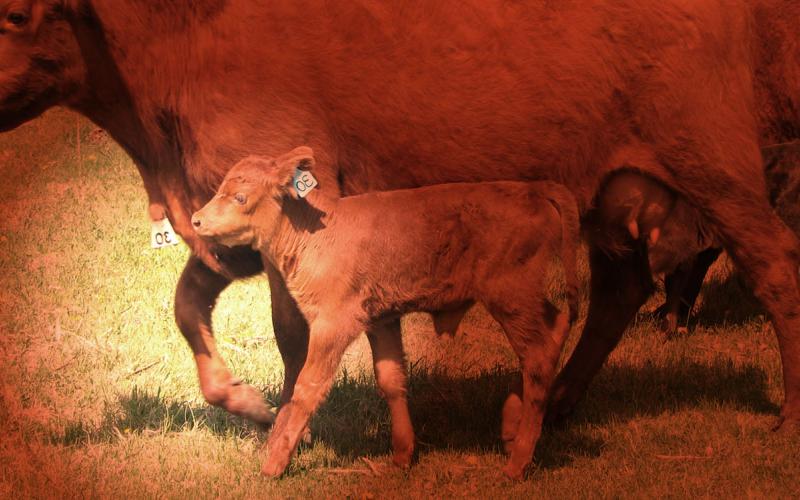
The Many Shades of Cattle Lameness
Lameness in cattle is a commonly encountered condition stemming from pain in one or more limbs, impacting how an animal moves. Learn some of the obvious and subtle symptoms to check for when lameness is suspected in your animal.
COVID-19 and Livestock: Is there a connection?
When reports of the COVID-19 pandemic first hit the US, very few people had likely heard of coronaviruses—with some notable exceptions: cattle producers and their veterinarians.