Search
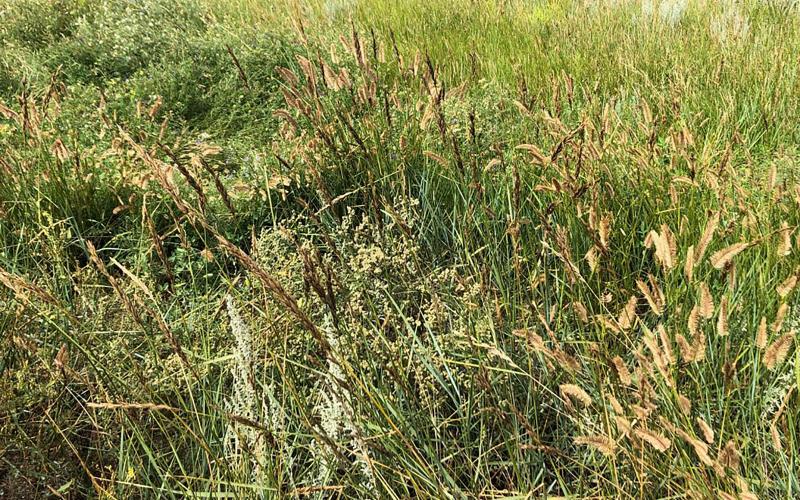
Ergot in Western Wheatgrass and the Potential Effects for Winter Grazing
2019 has been a year fraught with challenges for ranchers across South Dakota. Abundant precipitation is usually a blessing, however, wet conditions coupled with a cool spring followed by warmer temperatures has caused another problem across the rangelands of South Dakota: ergot poisoning.
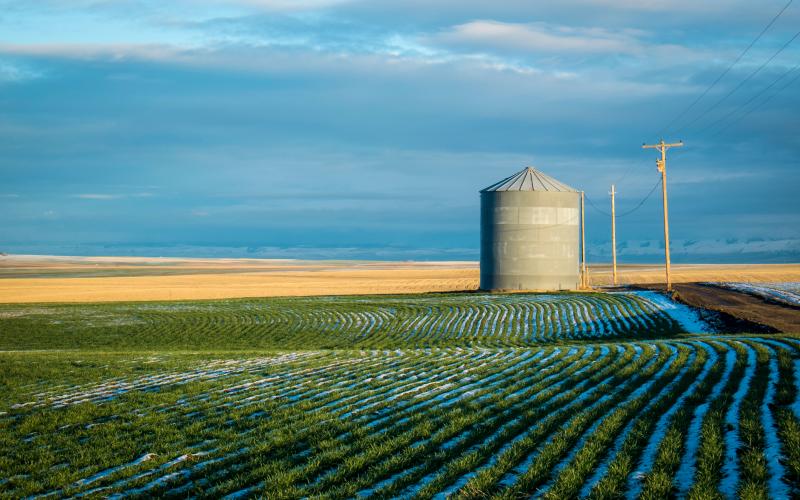
Climate Adaptability of Winter Wheat
For most of us, wheat is wheat. However, there is a distinct difference between spring and winter wheat, even though the vegetative characteristics of these two wheat types are very similar.

National School Lunch Week: ‘Lettuce’ Celebrate!
During National School Lunch Week, held each year in October, schools around the country celebrate all of the ways a school lunch can positively affect a child’s life, both at school and at home!
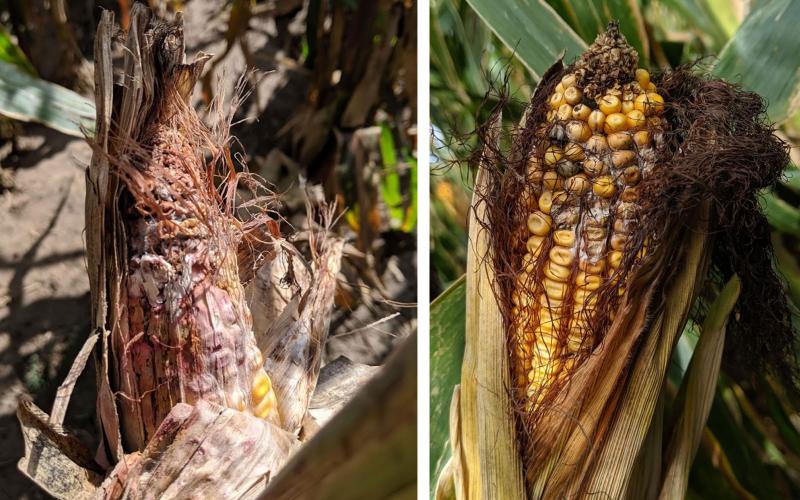
Gibberella and Fusarium Ear Rots Developing in Corn
Corn ear rots are one of the last diseases to scout for in the corn growing season, and sometimes they are ignored or forgotten entirely. Ear rots can cause yield loss in the form of grain quality at harvest, but also cause losses during storage.
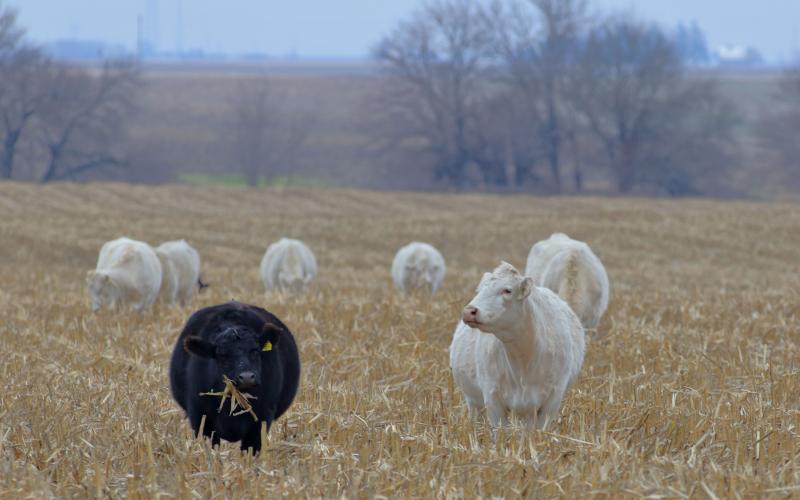
Farm Practices That Improve Soil Health: Integrated Crop-Livestock Systems
An integrated crop-livestock system can provide an alternative management strategy that benefits producer’s income, soil health, and the environment—all while increasing production.
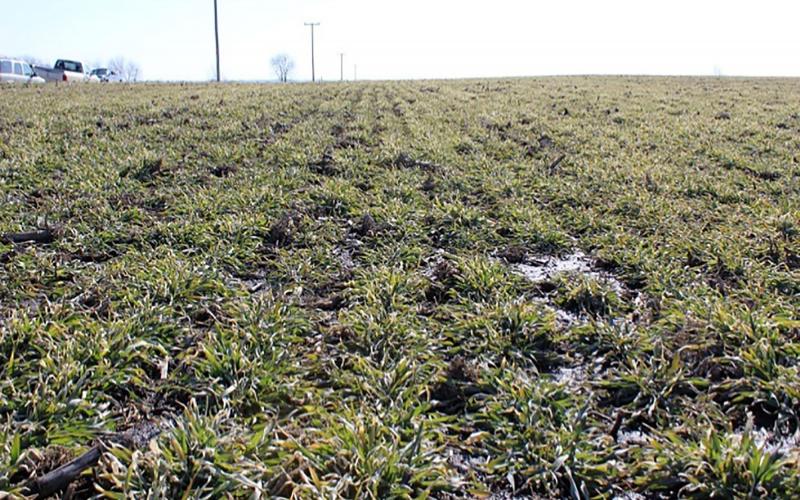
Farm Practices That Improve Soil Health: Cover Crops and Crop Residues
Planting cover crops and returning crop residues (stover) to the soil both adds nutrients and improves overall soil quality. These practices are common with producers across South Dakota and have been recently studied by researchers to identify how they impact the release of greenhouse gases into the atmosphere.
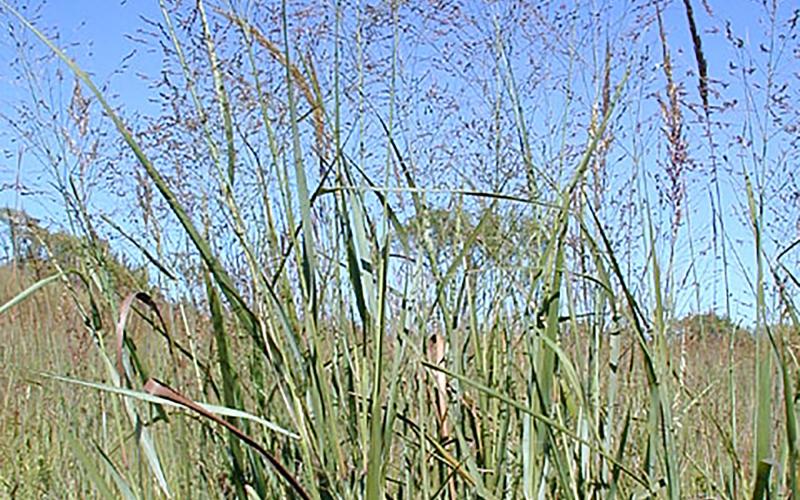
Farm Practices That Improve Soil Health: Planting Switchgrass on Marginal Lands
Switchgrass (Panicum virgatum) is a tall, native, prairie grass that is often seeded on marginal lands in South Dakota. It has gained growing popularity over the past decade not only as a source of biofuel and feed, but also as a method to improve soil properties.
![A green tractor planting seeds in a no-till field. Courtesy: United Soybean Board [CC BY 2.0] via Flickr](/sites/default/files/styles/teaser_800x500/public/2019-10/W-00433-00-no-till-planting-soybeans-field.jpg?h=b2774bcf&itok=4KjGmXKP)
Farm Practices That Improve Soil Health: Crop Rotations and No-Till
Implementing crop rotations and no-till practices are common suggestions to reduce erosion, control pests, and improve yields. These practices can also improve soil health through an increase in soil carbon levels.
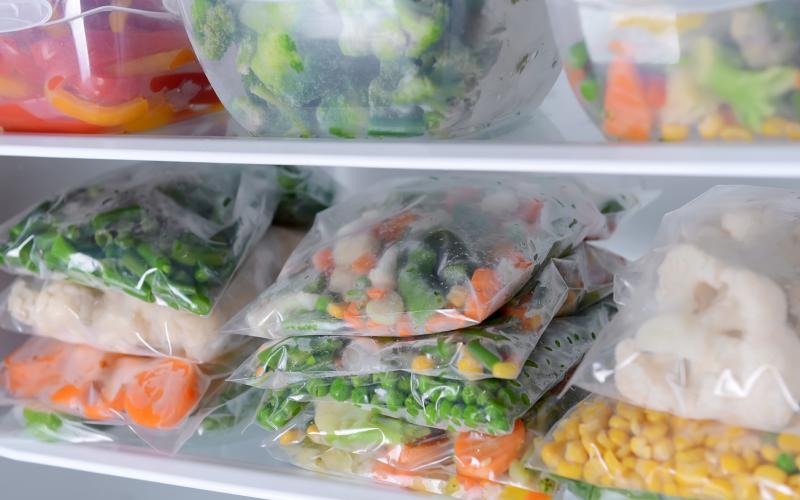
Freeze Now, Eat Later! Freezer Meal Workshop
Freezer meals provide families with the option to have a home cooked meal with minimal effort on busy days.
A Guide to Drying Foods
Fact sheet about drying foods