Search
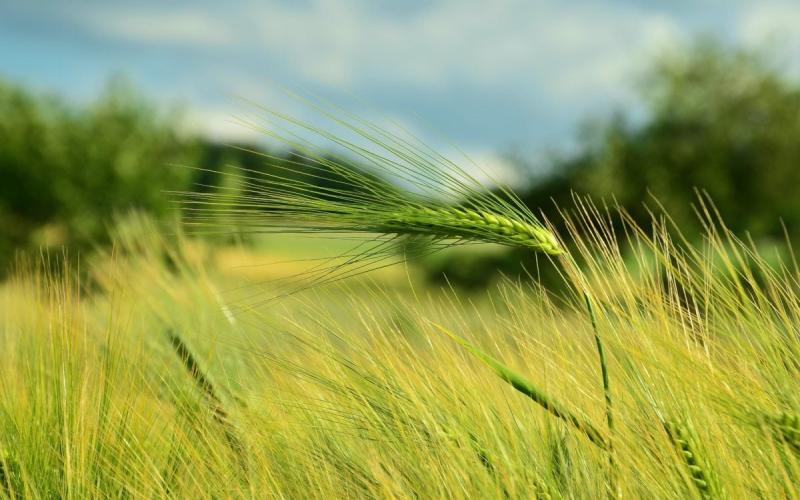
Scouting Wheat Fields
Scouting is the process of monitoring fields and crops during a growing season. It can provide producers with field specific information on pest pressure and crop injury.
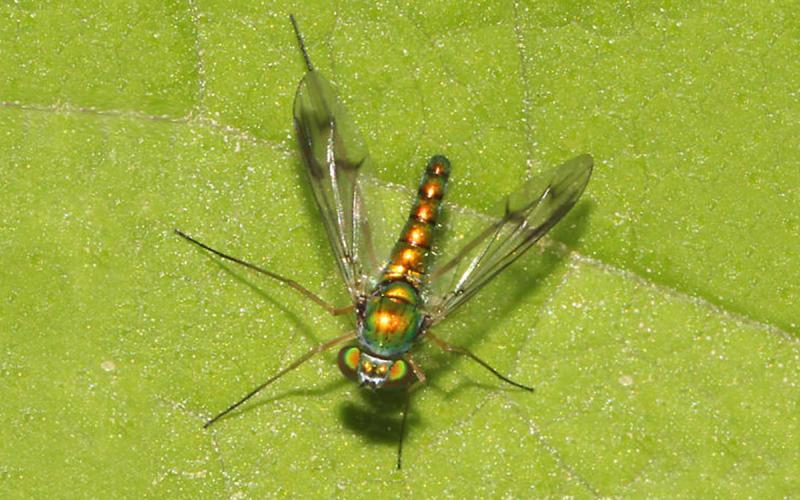
Flying Gems: Long-Legged Flies
Whether scouting for pests in crops or in a garden, chances are you’ve encountered a long-legged fly. These insects provide essential biocontrol of many insect pests and should be encouraged in the landscape.
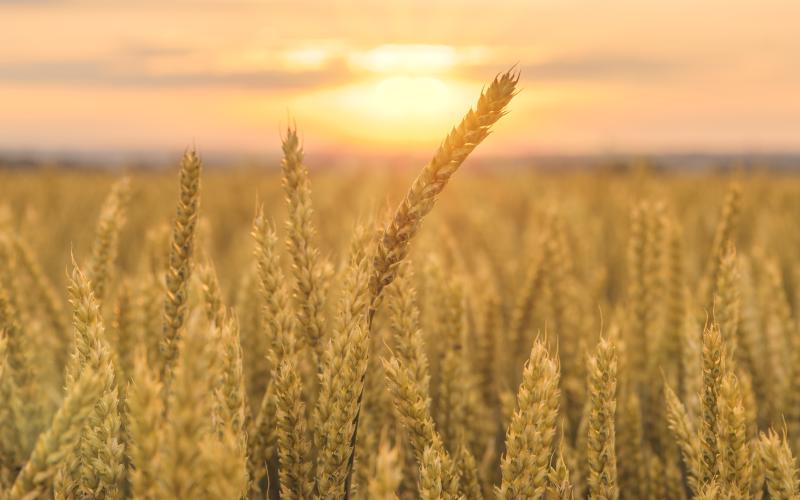
Looking Back: A History of Wheat Production in SD
In spite of the open winter and some of the worst drought conditions in history, South Dakota ended up with a very good wheat crop in terms of yield and quality in 2012. The winter wheat yields averaged 50 bushels to the acre; second highest average yield in SD recorded history.
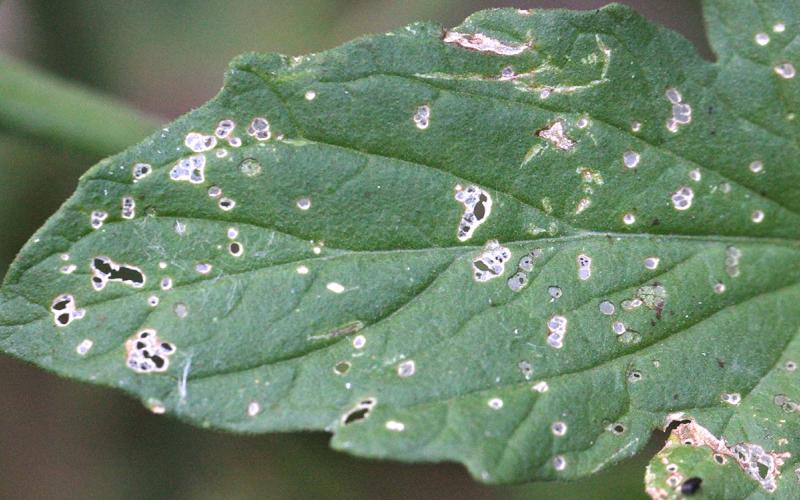
What’s Causing the Tiny Holes on My Tomato Leaves?
Flea beetles are once again causing issues for gardeners across South Dakota. These herbivorous beetles can be a pest of many different garden plants, including tomatoes, peppers, beans, squash and lettuce.
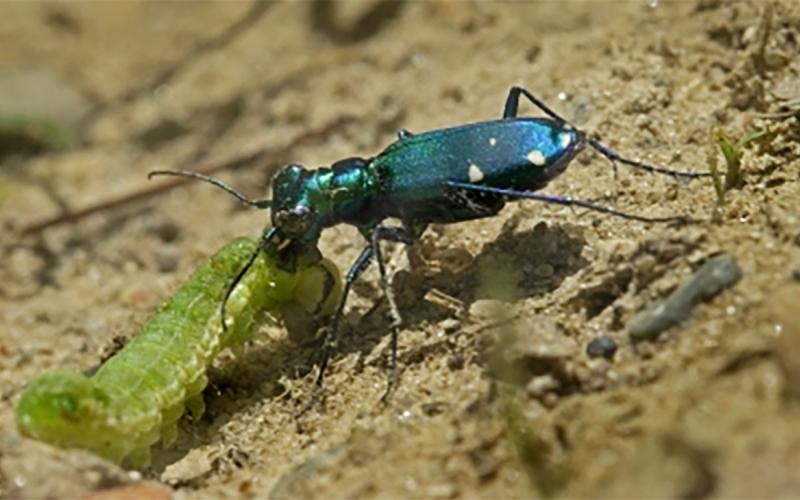
Tiger Beetles: Beneficial Predators and Ecosystem Health Indicators
Tiger beetles are generalist predators, meaning they prey on a wide variety of pests. Observing them in a landscape is a great sign that an ecosystem is healthy and supporting both prey and predators.
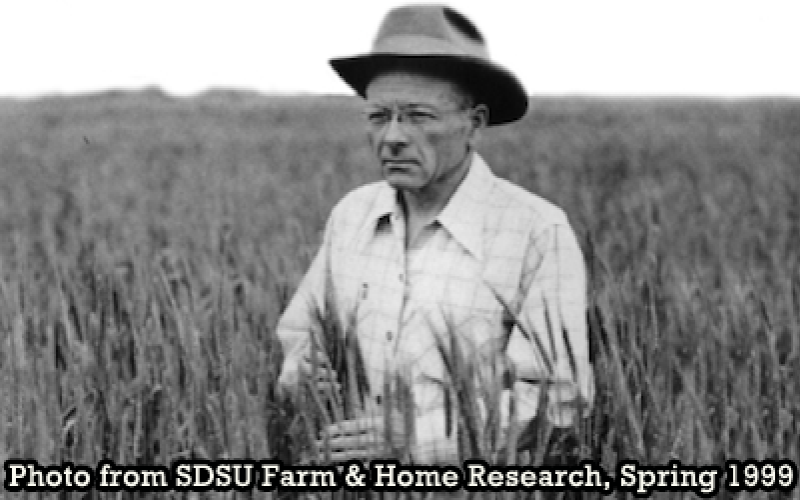
McFadden and Borlaug: Pioneering Rust-Resistant Wheat
During a brief period of time in the Dakota Territory in the late 1800’s, wheat acreage increased from just over 100,000 acres to well over a million acres. During one year in the height of this heyday, 1897, it has been stated that two-thirds of the world’s wheat was shipped from present-day Eureka, SD, and wagons bearing the crop rolled in from as far as 75 miles away.

Blister Beetles Are Active in South Dakota Alfalfa
Blister beetles have been spotted in several alfalfa fields in South Dakota, which means it’s time to start scouting to determine how many are present.
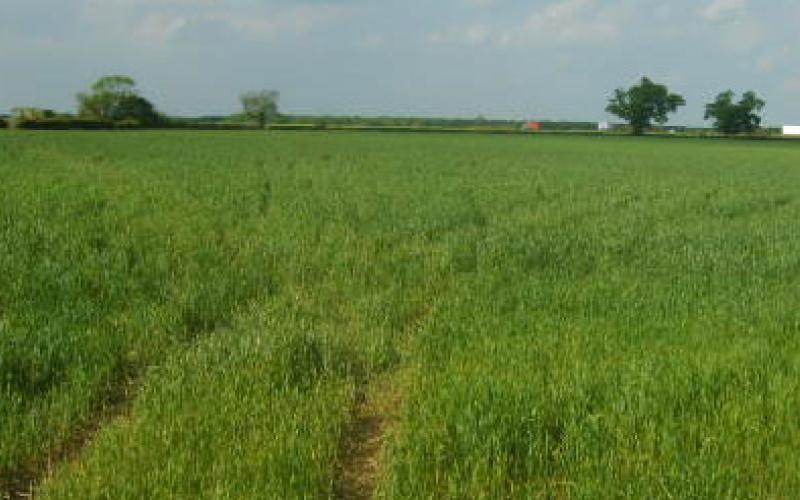
SDSU Releases Two New Spring Wheat Varieties
Two new spring wheat varieties, Forefront and Advance are being increased by South Dakota Foundation Seed Growers and will be available to everybody in 2013.

Grasshopper Activity Is Ramping Up
We have already observed increased grasshopper activity in many areas of the state and, depending on the 2022 season, they may become problematic in crops.
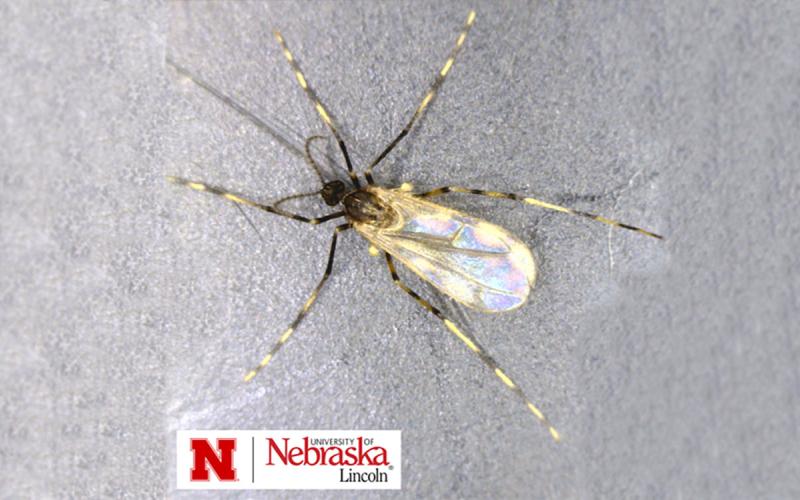
Soybean Gall Midge Adults Detected in South Dakota
Soybean gall midge emergence was first detected in South Dakota two weeks ago, during the week of June 13 -17, 2022. Emergence continues to be slow, with the only observations in southeast South Dakota.