Search
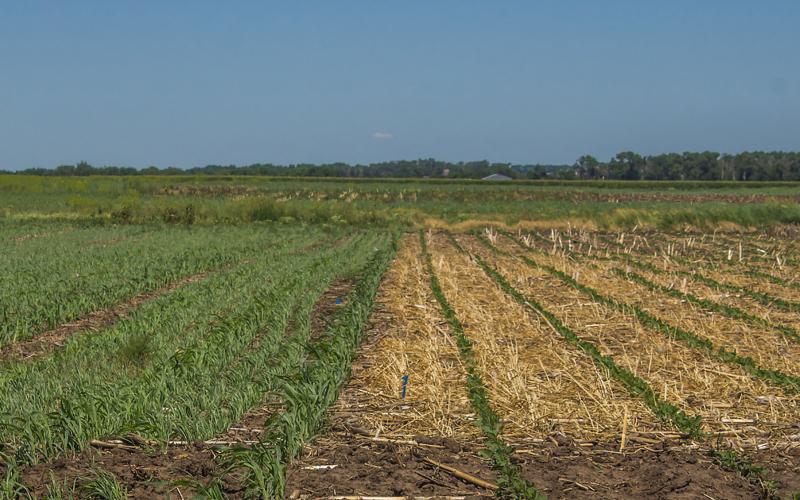
Crop Residue, Cover Crops Impact on Soil Health Parameters
Interest in no-till and cover crops has been on the rise among South Dakota crop producers. In 2019, half of South Dakota crop ground was under no-till management and about 900,000 acres were planted to cover crops.
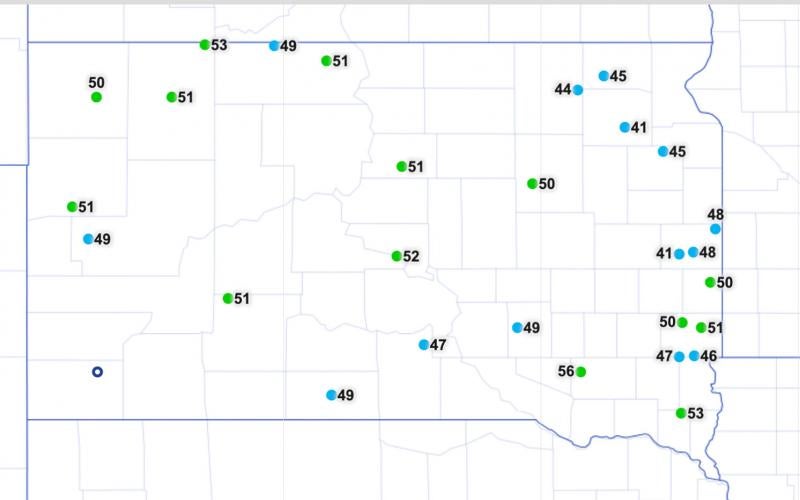
Soil Temperature for Planting Spring Crops
Soil temperature is an important consideration for deciding when to begin planting spring crops. If producers in South Dakota would like a quick reference for soil temperatures in their area, the SD Mesonet network measures soil temperature at several weather stations throughout the state.
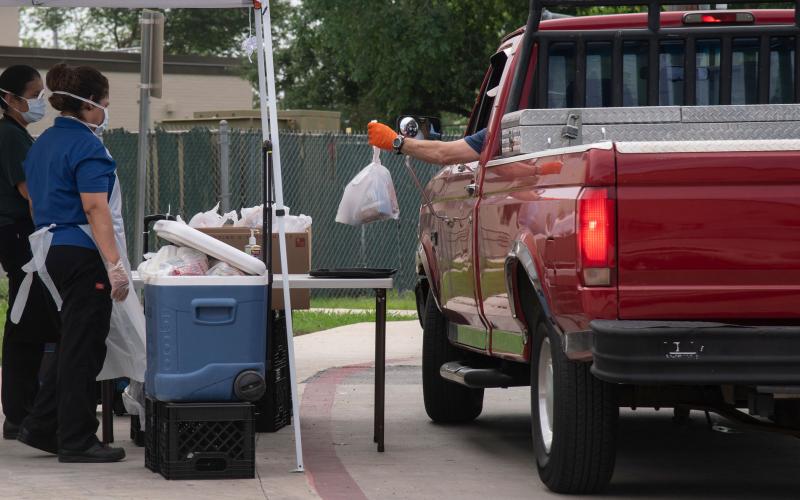
Farmers Markets and COVID-19
Farmers markets are a very important sector in South Dakota. The COVID-19 pandemic has raised a great deal of concern on trying to keep these markets open, while providing a safe environment for consumers to shop. This article is a guide to help farmers markets set up their operation in a manner that will best protect consumers and allow for continuation of operations.
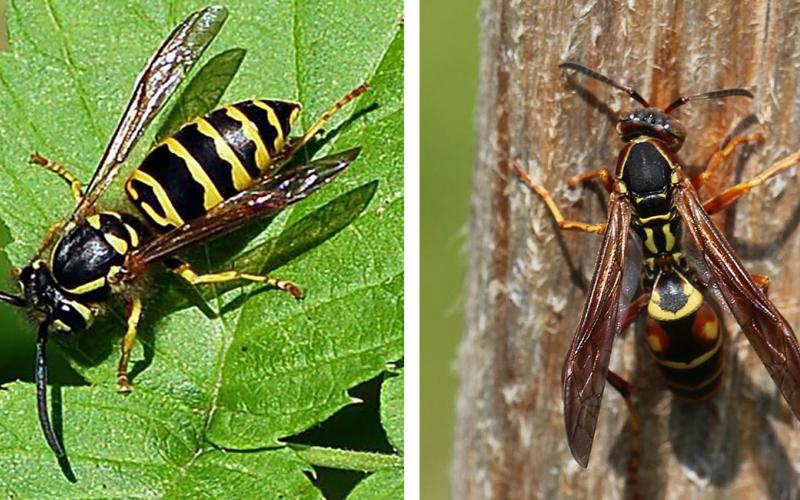
Wasp Activity Is Ramping Up
With their distinctive black and yellow stripes and tendency to hang out in groups, wasps receive attention no matter the time of year. As the weather warms up and spring progresses, you may notice more wasp activity in your yard or around your house.

Nathania Knight Awarded South Dakota State University’s 2020 Outstanding Professional Award
May 01, 2020
Nathania Knight has been awarded the 2020 Outstanding Professional Award by the South Dakota State University Professional Staff Advisory Council.
Temperature and Herbicide Performance
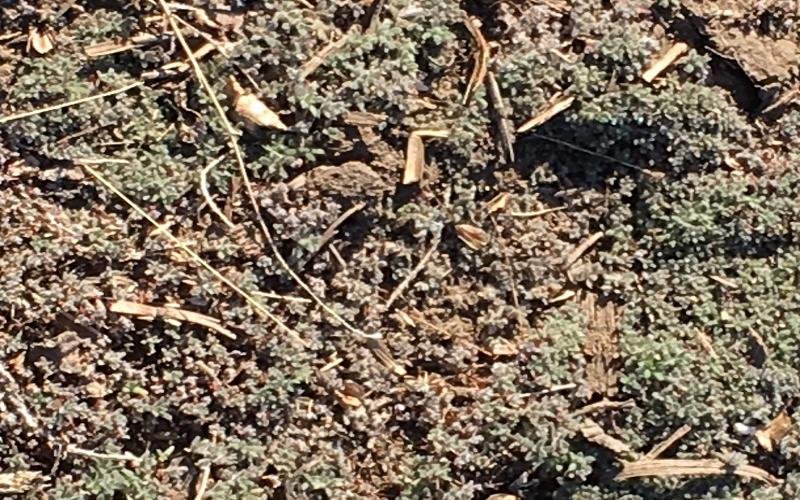
In South Dakota, the spring can come with a wide range of temperature fluctuations. This will affect the performance of burndown herbicides. Depending upon the target weed, type of herbicide and application rate, there will likely be decreased weed control in cooler temperatures.
No, It’s Not a Murder Hornet.
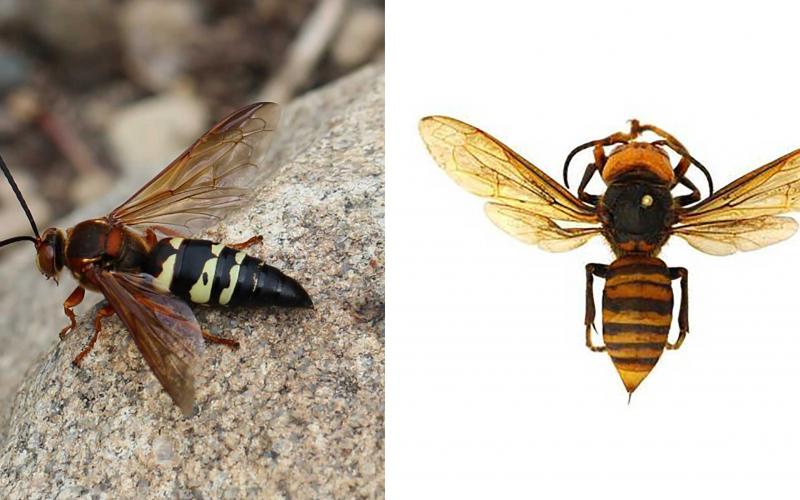
By now, you’ve probably read headlines about the Asian giant hornets (aka “murder hornets”) that were spotted in Washington state and across the border in Canada. It is important to note that Asian giant hornets have only been confirmed in a small area of Washington and Canada. These wasps have not been observed in South Dakota or our neighboring states.
Summer 2020 Climate & Drought Outlook
August 12, 2020
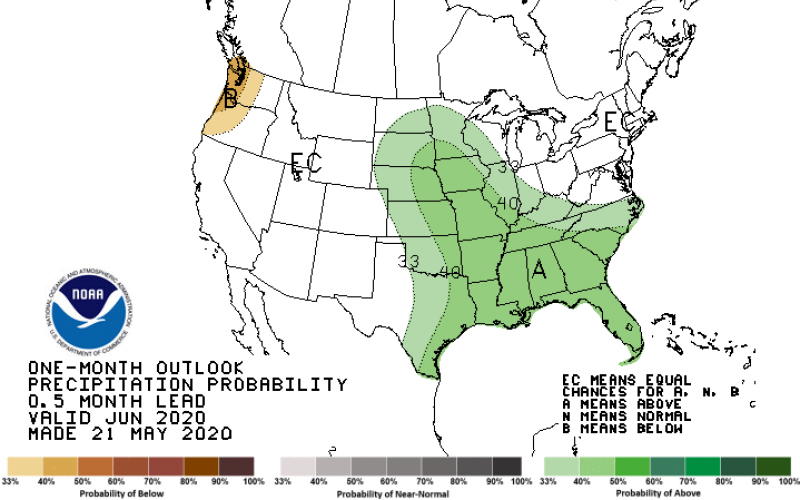
With alternating cool and warm weather patterns throughout the last few months and the summer season ahead, temperature continues to be a challenge for climate forecasters in South Dakota.
Feed & Water Testing Laboratories
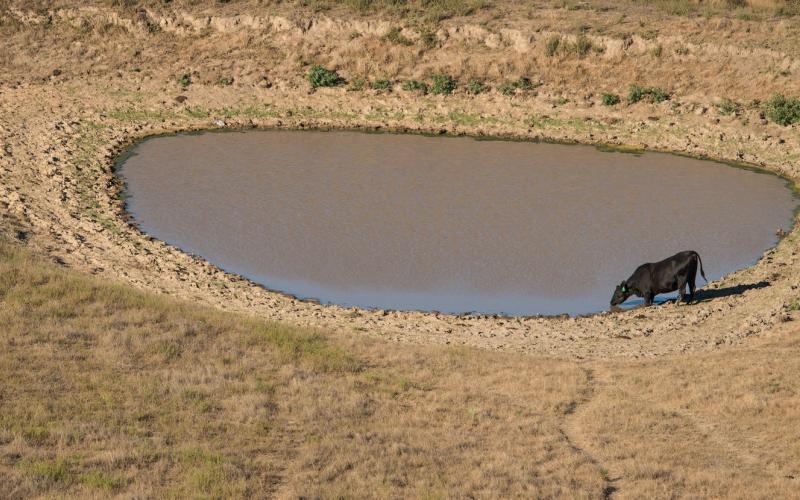
A partial listing of available feed testing laboratories.

Senior Design Project Has Potential to Become Lake Mitchell Water Quality Project
SDSU Agricultural & Biosystems Engineering students, as a senior design project, recommended constructing a retention structure on a property near Lake Mitchell in order to reduce the phosphorus content entering the lake.