Search
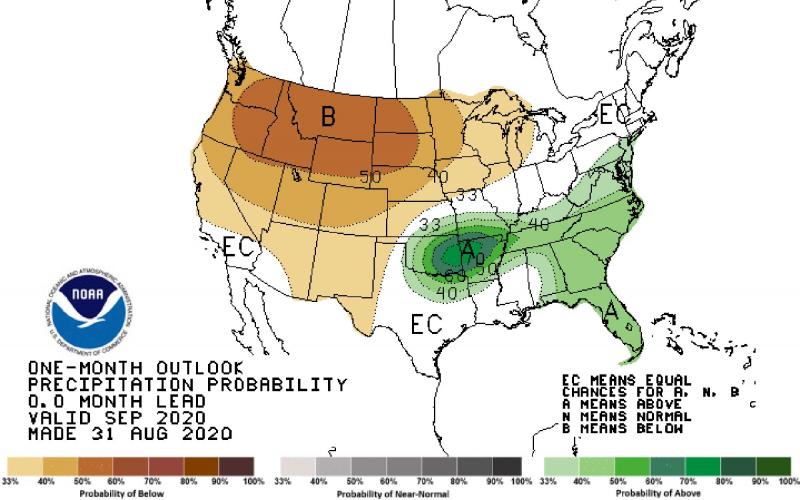
September 2020 Climate & Drought Outlook
Summer has its last hurrah the first week of September before we see potential for our state’s first freeze of the fall season, according to NOAA’s Climate Prediction Center.
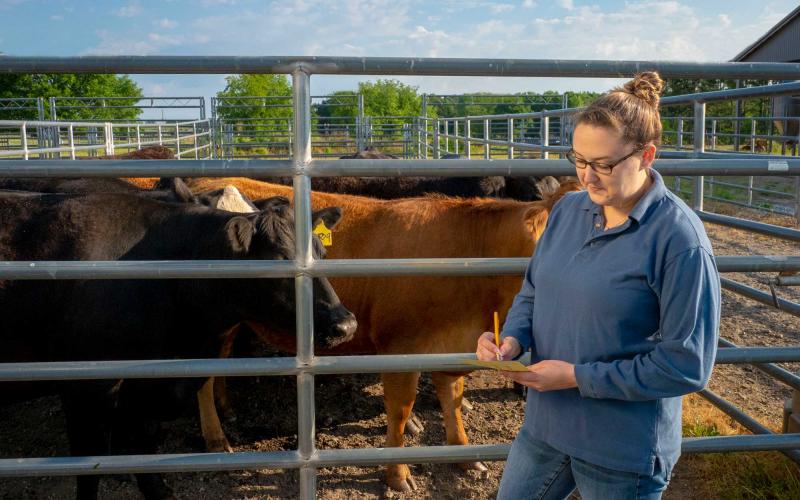
Capitalizing on Cow Costs: Part 2
In a previous article, ‘Capitalizing on Cow Costs’ reducing feed costs to improve cow efficiency was discussed. To continue the conversation, another area of cost reduction is in cull cows, bulls and calf death loss.
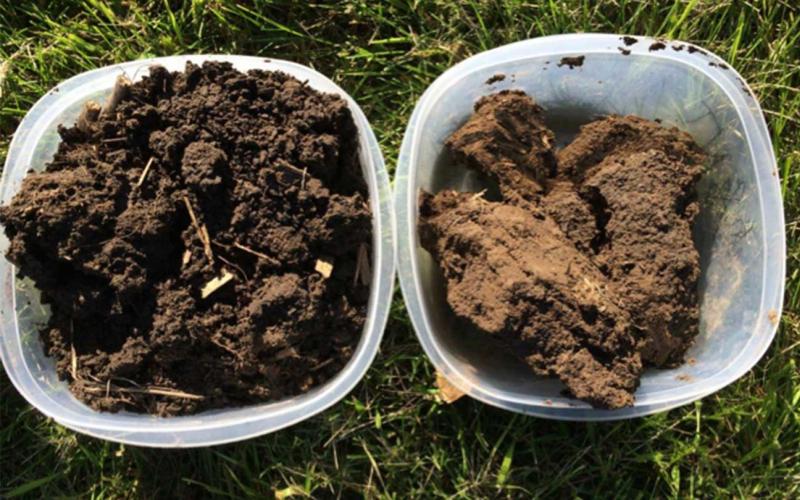
Organic Agronomy Starting to Impact
For decades scientists have known that a handful of soil contained more micro-biological organisms than the number of humans on earth. Science is just beginning to discover these organisms and learn about their functions and contribution to their soil ecosystem.
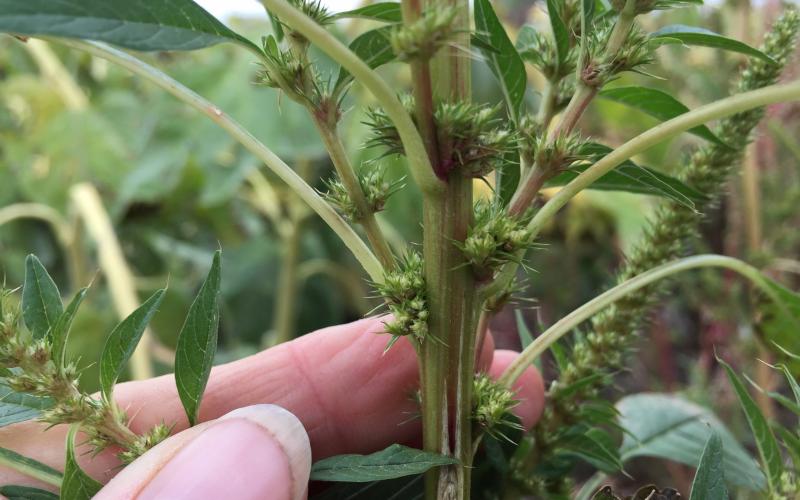
Identification and Management of Palmer Amaranth in South Dakota
Guide for the identification and management of Palmer Amaranth in South Dakota
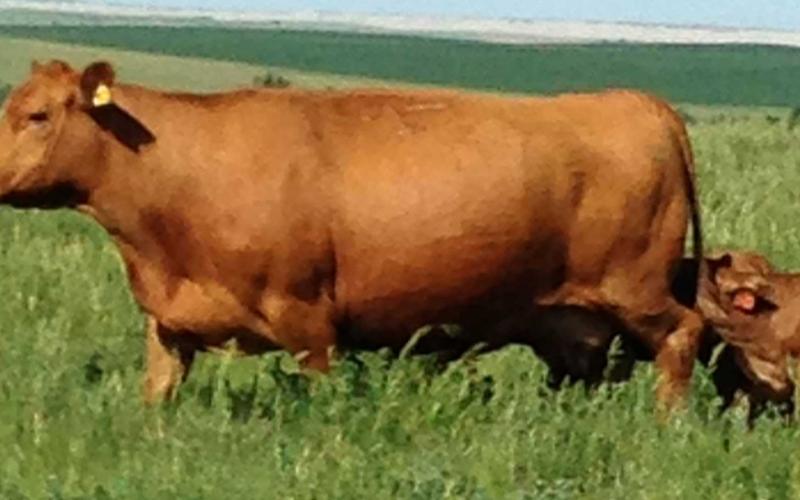
Alternative Calving Considerations
Structuring a calving program that best suites farm and ranch operations can be challenging. Of primary concern are: weather, labor, market timing, and animal health considerations, with weather possibly being the most volatile factor, as it ranges from challenging to catastrophic in some years.
SWOT Analysis for Your Ranch (And Don’t Forget About Yourself)
Completing a SWOT (Strengths, Weaknesses, Opportunities, Threats) analysis allows you to evaluate your operation's current position and decide on management strategies to achieve your goals for the next year. Learn how to get started today!

Time to Sign up for 2018 Farm Bill
This winter it is time to study up on the Farm Bill elections and make an appointment with the local Farm Service Agency (FSA) in order to put the program in place for the farm. The deadline to make the election is March 15, 2020.
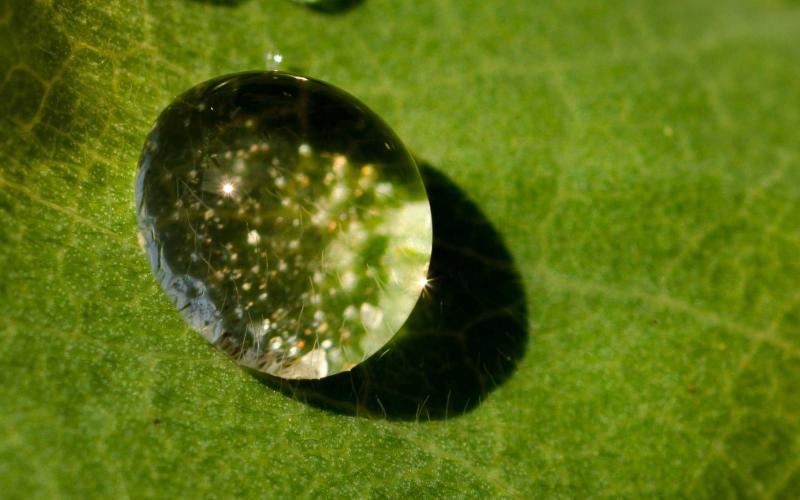
How to Choose the Right Adjuvant for the Job
With the rise of herbicide-resistant weeds, the use of an adjuvants is also on the rise and may be necessary to help control resistant weeds.
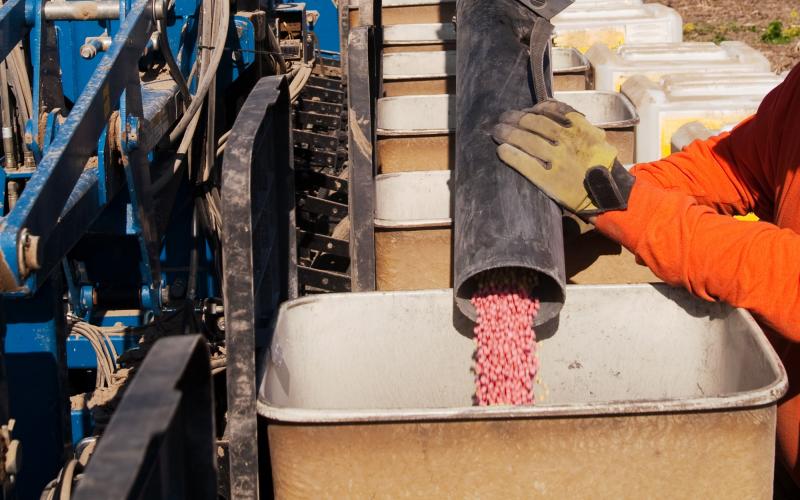
Pre-Plant Disease Management Considerations
If the forecast holds true, it looks like it is going to be another year of excessive soil moisture and possible flooding come this spring. The increased level of soil moisture has implications with regards to plant stand establishment as well as root rot and nematode infestations.
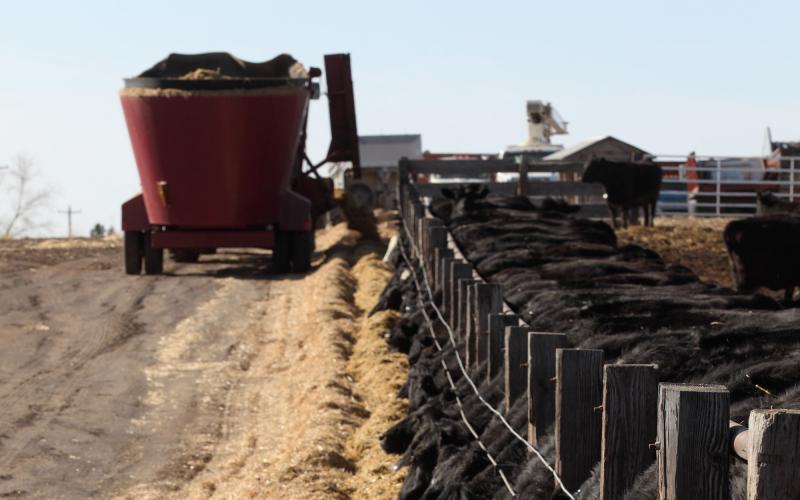
What Goes Into Calculating Yardage?
Yardage cost is the non-feed cost per head for every day that an animal is fed harvested feed in some form of confinement. Yardage is usually associated with calves and yearlings in the feedlot, but this concept can apply to drylotted or wintering cows as well.