Plants or Crops
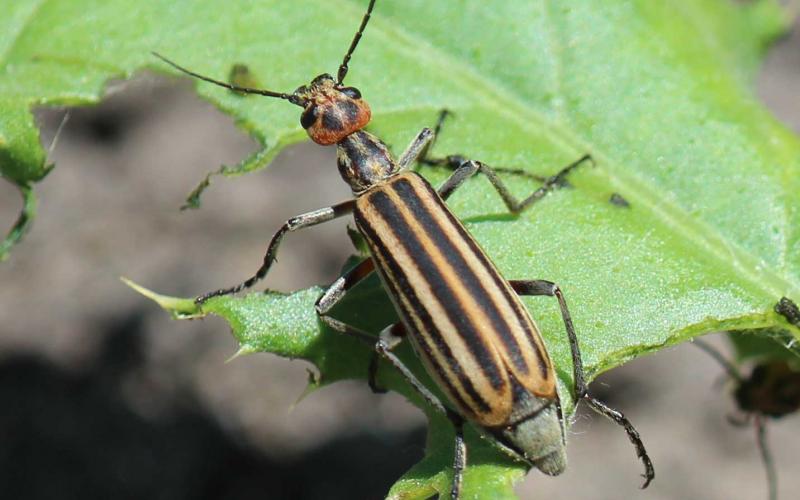
Blister Beetles Causing Problems in Gardens
Typically, we don’t see a lot of issues with blister beetle feeding in gardens. However, when they show up, blister beetles can rapidly defoliate plants.
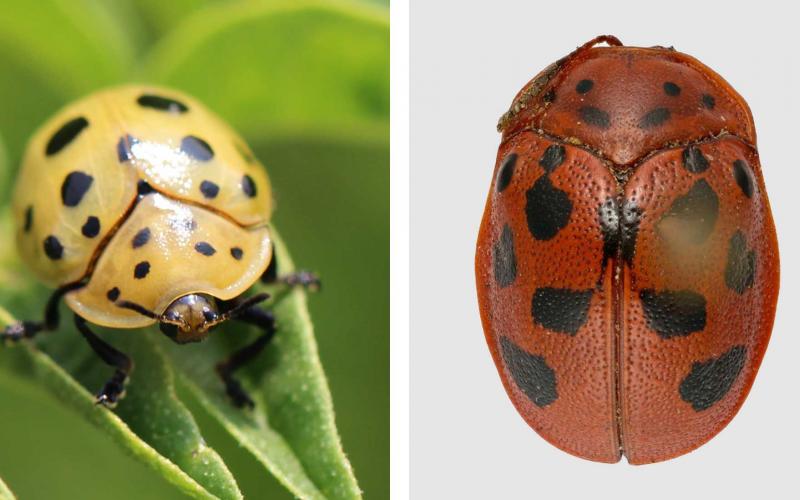
Argus Tortoise Beetle: No, It’s Not a Lady Beetle
Every summer, we receive reports of what looks like a large yellow lady beetle, except that they are defoliating certain plants. It isn’t a lady beetle, it’s the Argus tortoise beetle.
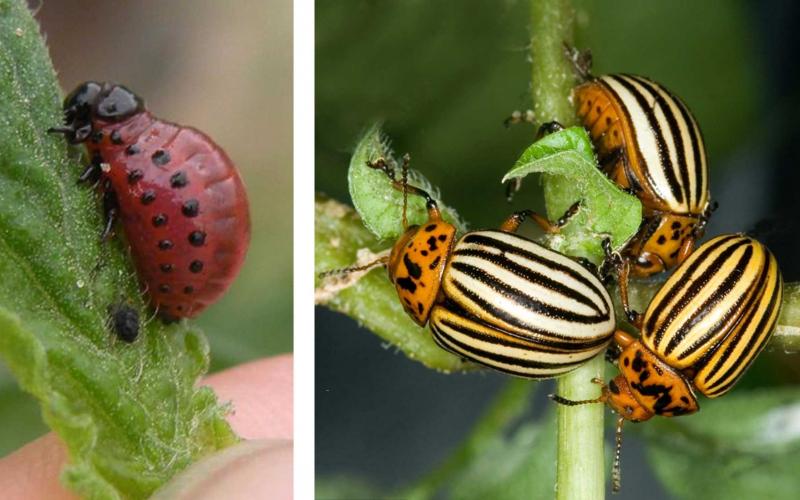
Colorado Potato Beetles Causing Defoliation on Potatoes
Last week we received calls about insects feeding on potato plants. The culprit was the Colorado potato beetle, which is a major pest of potatoes.

Imported Cabbage Worms Are Chewing up My Garden!
One of the worst things to observe in your garden are caterpillars heavily defoliating your plants. But unfortunately, that’s exactly what the imported cabbageworms (cabbage white) caterpillars do.
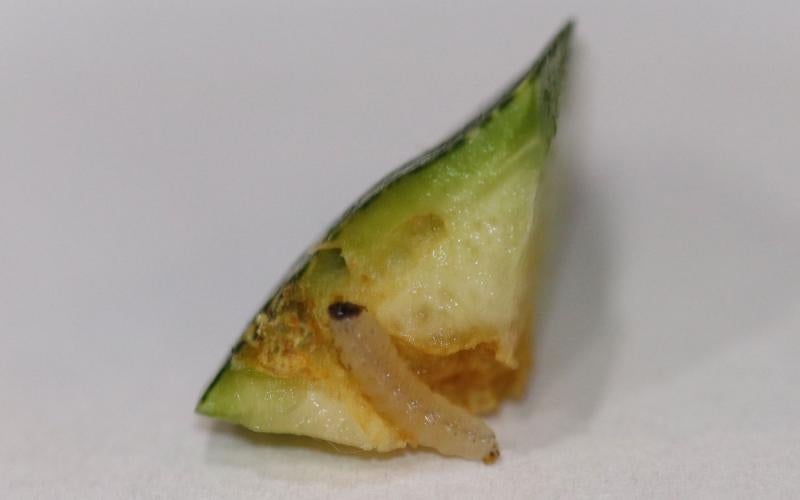
Squash Vine Borers Strike Again: This Time They’re in the Produce!
The larvae of the squash vine borer can wreak havoc on squash plants by boring into the stems and slowly killing the plants. Unfortunately, they’ll do even more than that. They will also invade the developing produce.
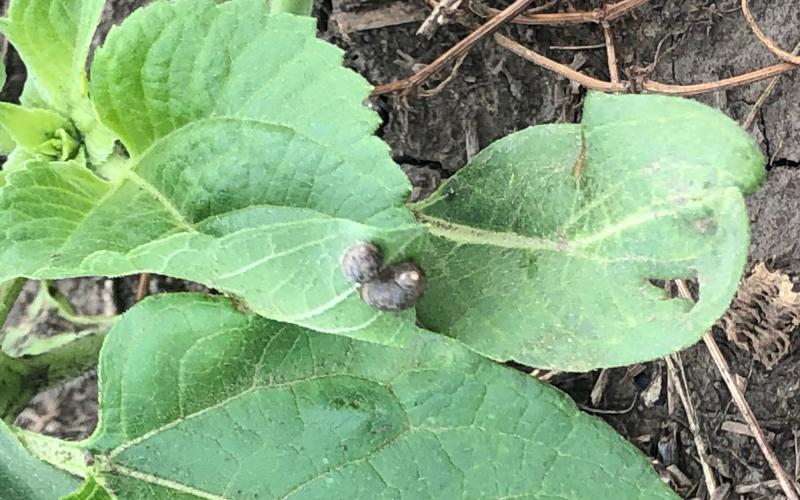
Snails Observed in South Dakota Sunflower
Last week we received reports of snail populations causing issues in South Dakota sunflower fields. Snails are normally not an issue in South Dakota crops but like their slug relatives, they can pose a threat to crops when field conditions are just right.
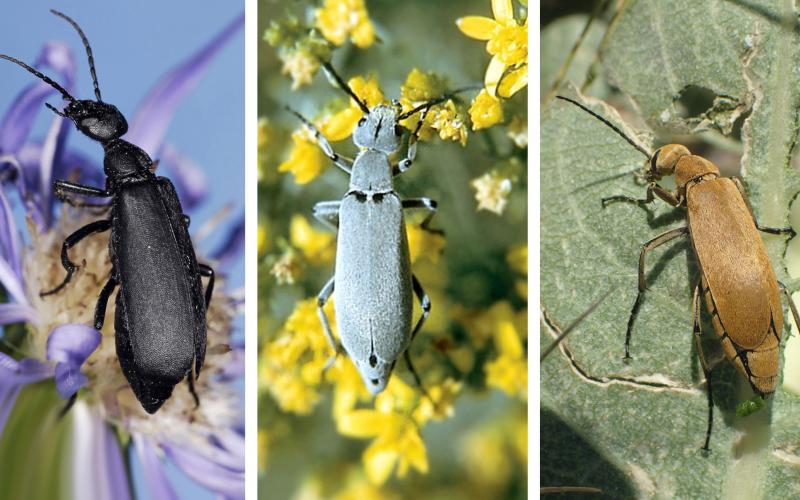
Check Alfalfa for Blister Beetle Activity
Blister beetles are becoming more common as we progress through the growing season. Recently, there have been multiple reports of blister beetles showing up in alfalfa fields.
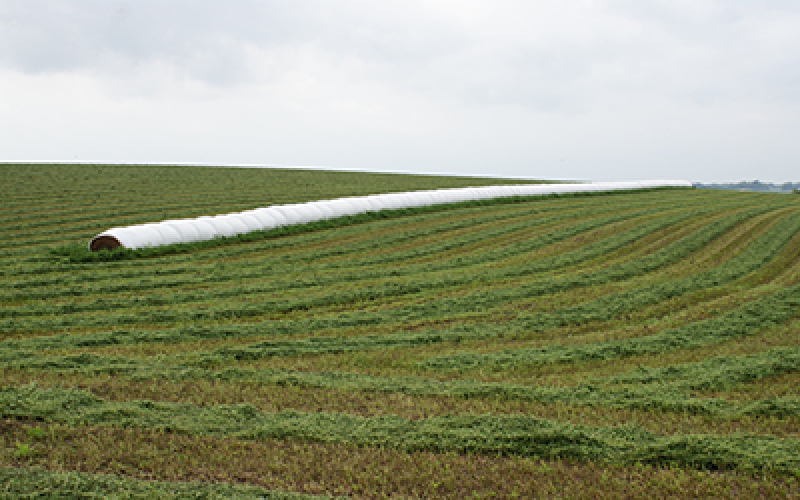
Determining Hay Prices
Before pricing forages, producers will want to have a good understanding about the cost of growing a ton of hay, alfalfa or straw.
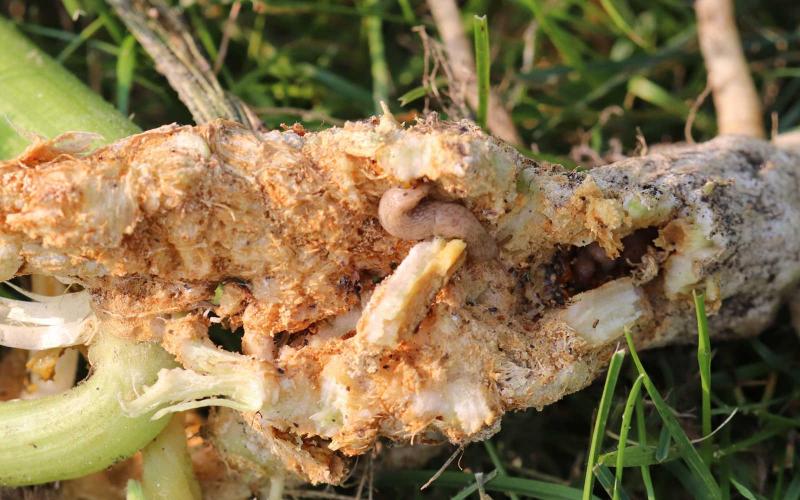
Watch Your Squash! Squash Vine Borer Moths Are Active.
Each year vine crops, including squash, zucchini and pumpkin plants, fall victim to squash vine borer larvae feeding inside their stems.
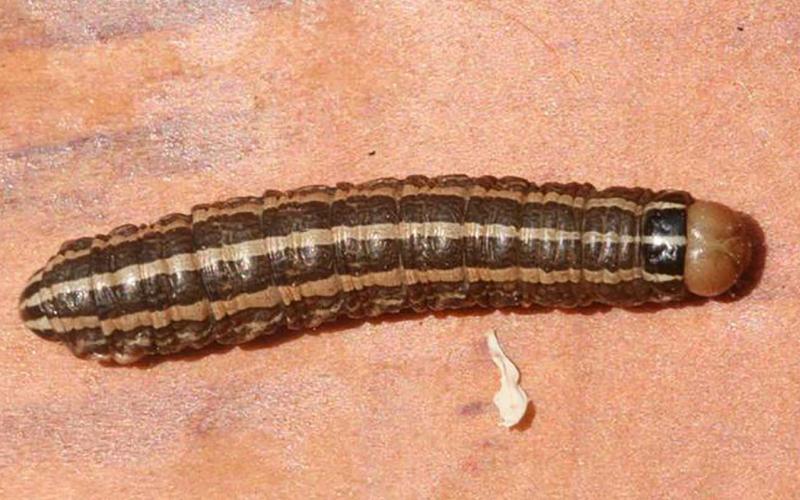
Monitor Lawns and Gardens for Bronzed Cutworm Activity
Bronzed cutworms can be an issue for lawns and gardens in South Dakota. In grass, bronzed cutworms will feed and leave small brown circular patches. Large populations of bronzed cutworm can result in severe lawn injury.