Plants or Crops

2019 Corn Fungicide Field Trials Summary
This document contains results of corn field trials conducted during the 2019 growing season to evaluate foliar fungicides to manage various corn diseases.
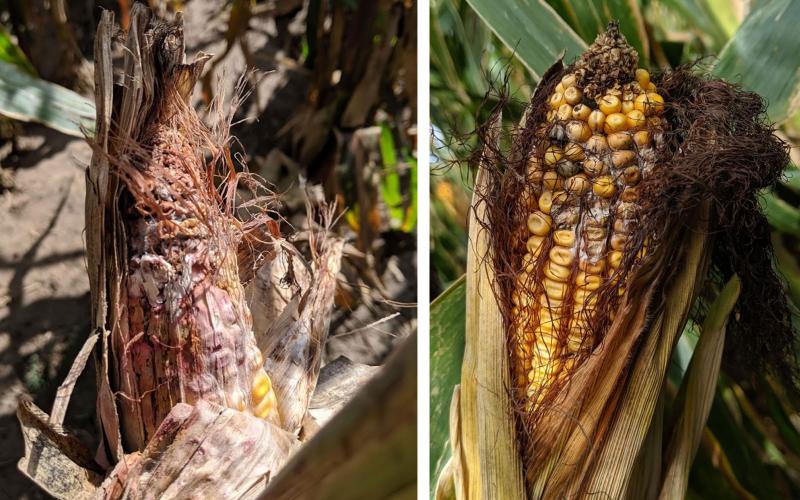
Gibberella and Fusarium Ear Rots Developing in Corn
Corn ear rots are one of the last diseases to scout for in the corn growing season, and sometimes they are ignored or forgotten entirely. Ear rots can cause yield loss in the form of grain quality at harvest, but also cause losses during storage.
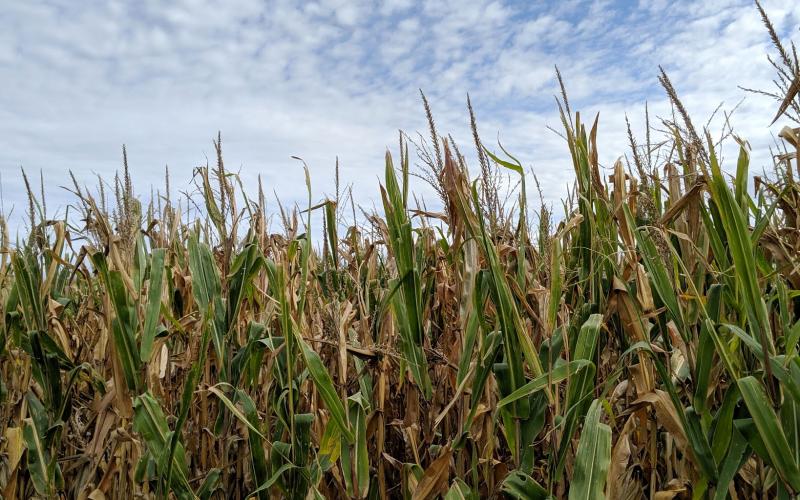
Assess for Corn Stalk Rots
Several corn fields are beginning to show stalk rot and top dieback symptoms. Stalk rots cause the entire plant to die prematurely, which can lead to plants lodging under windy conditions making harvesting problematic.
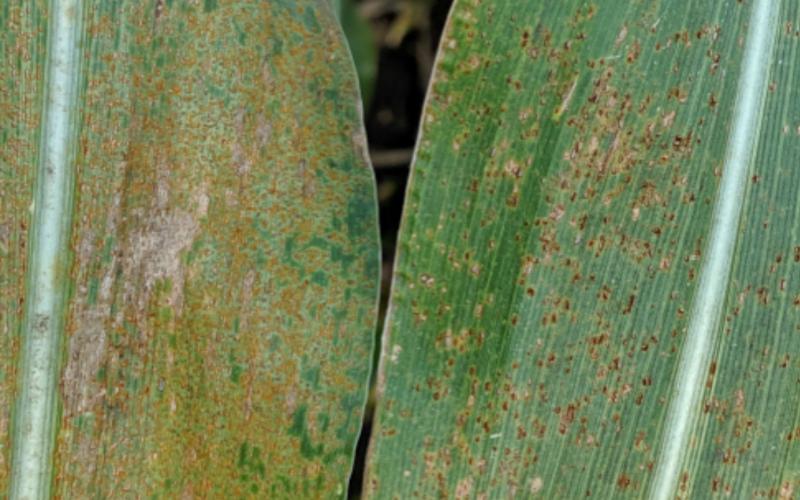
Southern Rust Developing Late in Corn
Southern rust was found in a few corn fields scouted last week. This rust is developing very late in the season and therefore its impact on corn yield will be minimal.
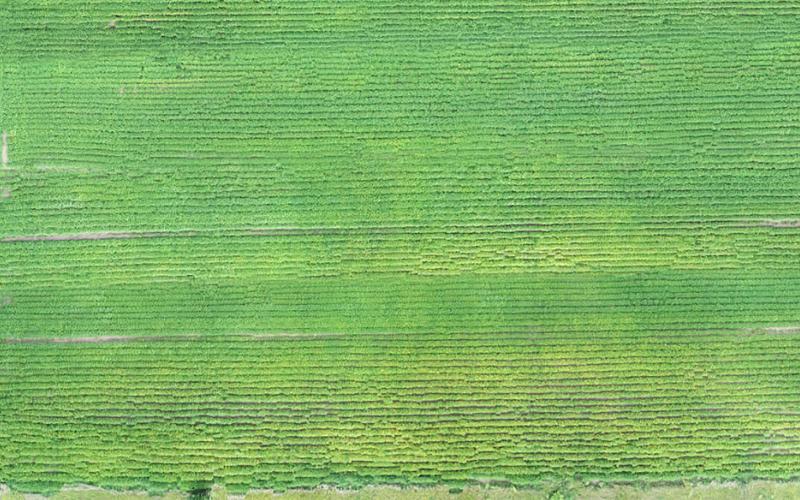
Early Yellowing in a Soybean Field May Indicate Presence of the Soybean Cyst Nematode
Some portions of soybean fields may show clusters of plants yellowing while the rest of the field is still green. One of the factors that could lead to soybean plants showing early yellowing in clusters is soybean cyst nematode (SCN).
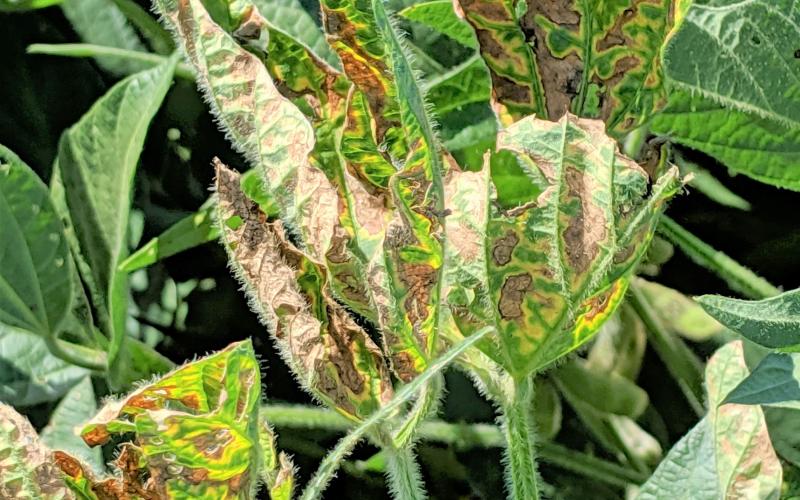
Sudden Death Syndrome Starting to Develop in Soybeans
Sudden death syndrome of soybean is starting to develop in soybean fields in South Dakota. Fields currently being found with sudden death syndrome have symptomatic plants scattered within the field, but continued disease development may lead to larger clusters of infected plants.
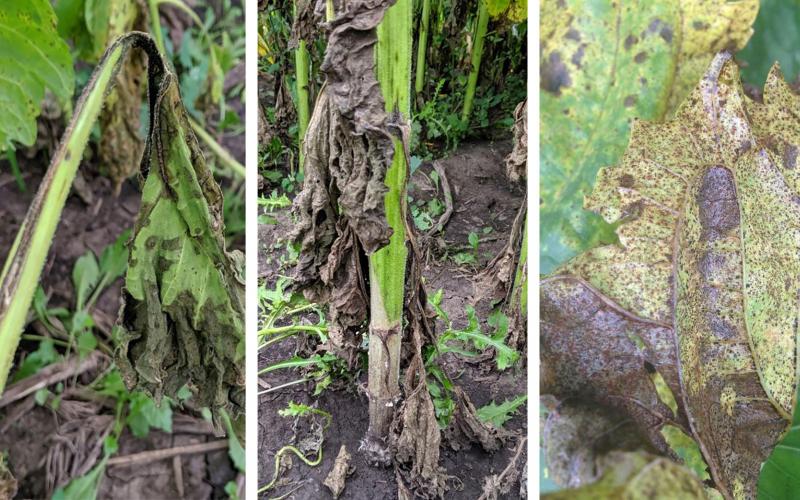
Bacterial Stem Rot, Sclerotinia Basal Rot and Sunflower Rust Developing in Sunflower
Sunflower scouted this week in Brookings and Kingsbury counties were found with bacterial stem rot, Sclerotinia basal rot and sunflower rust. This area has had plenty of moisture, which favors several diseases to develop in sunflower.
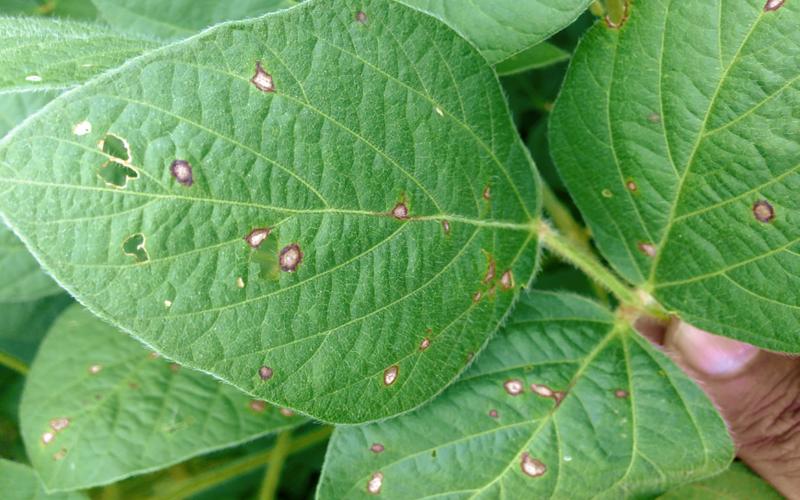
Frogeye Leaf Spot Developing in Soybeans
Frogeye leaf spot, also known as Cercospora leaf spot, was found in several soybean fields scouted the week of August 19, 2019. Frogeye leaf spot is characterized by irregular to circular lesions, which are tan-to-gray in color with reddish-purplish borders.
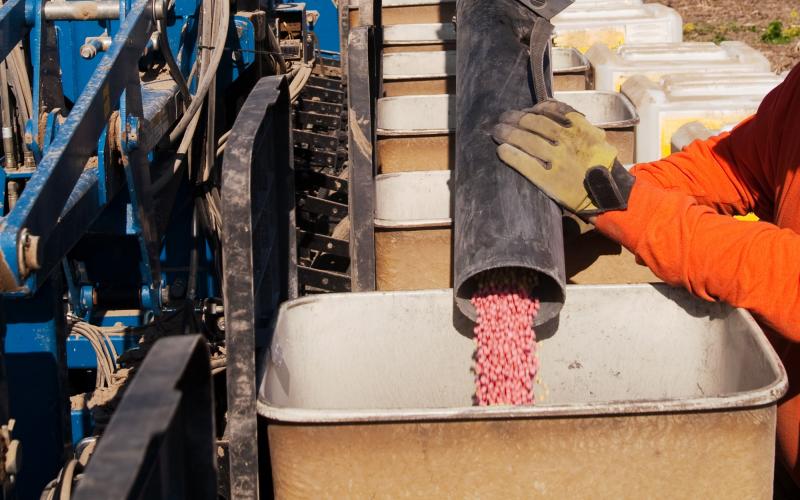
Pre-Plant Disease Management Considerations
If the forecast holds true, it looks like it is going to be another year of excessive soil moisture and possible flooding come this spring. The increased level of soil moisture has implications with regards to plant stand establishment as well as root rot and nematode infestations.
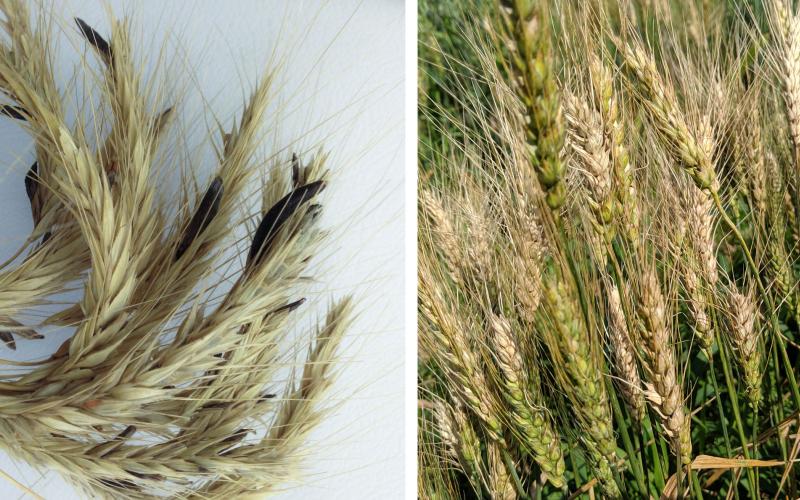
Assess Your Fields for Ergot and Fusarium Head Blight Before Harvest
The 2019 wheat harvest is well underway in South Dakota, with many acres of winter and much of the spring wheat crop left to harvest. To date, reports on yield and quality have been variable, depending on when the crop was seeded, weather conditions at important growth stages (such as flowering and grain fill) and disease pressure throughout the season.