Plants or Crops
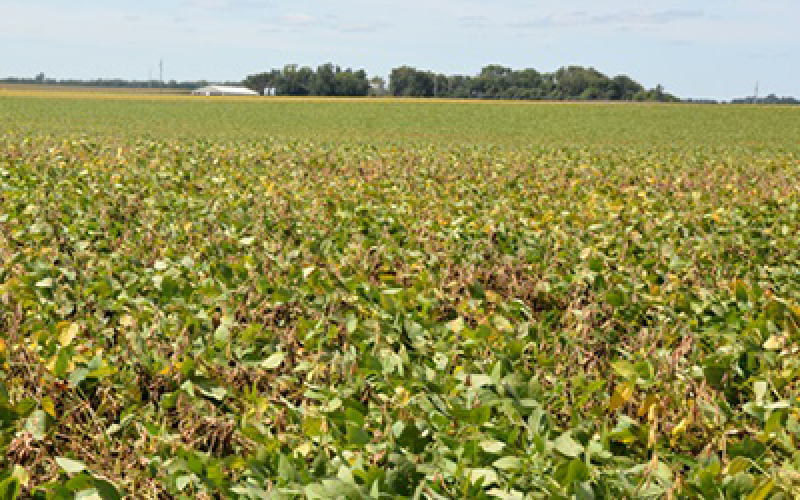
White Mold (Sclerotinia Stem Rot) of Soybean
Fact sheet of the symptoms and signs for while mold in soybean.
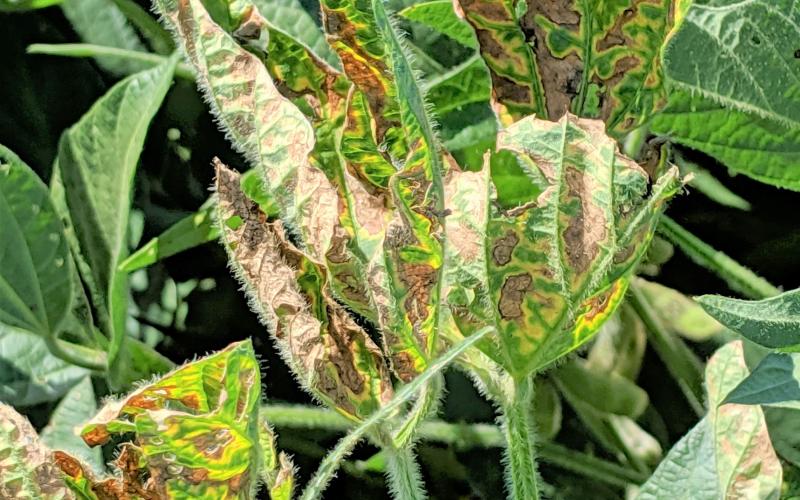
Sudden Death Syndrome of Soybean
Fact sheet discussing sudden death syndrome of soybean.
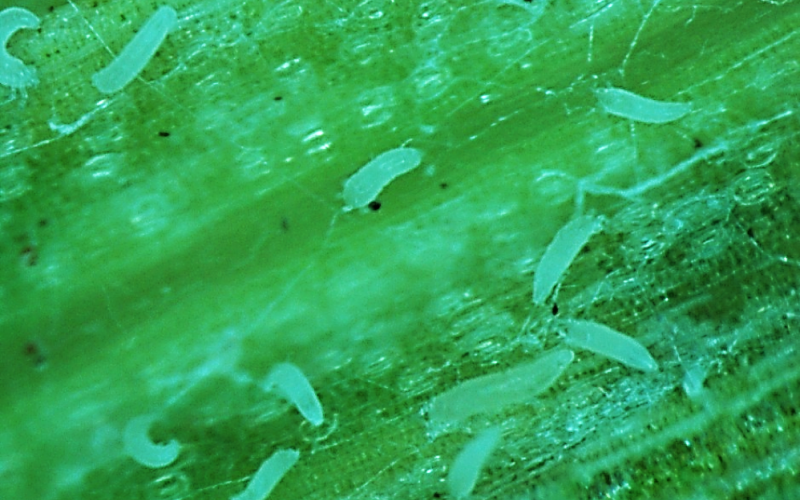
Wheat Streak Mosaic Virus is Prevented Before Planting Winter Wheat
Wheat streak mosaic disease (WSMD) is one of the important diseases in winter wheat and can lead to severe yield losses.
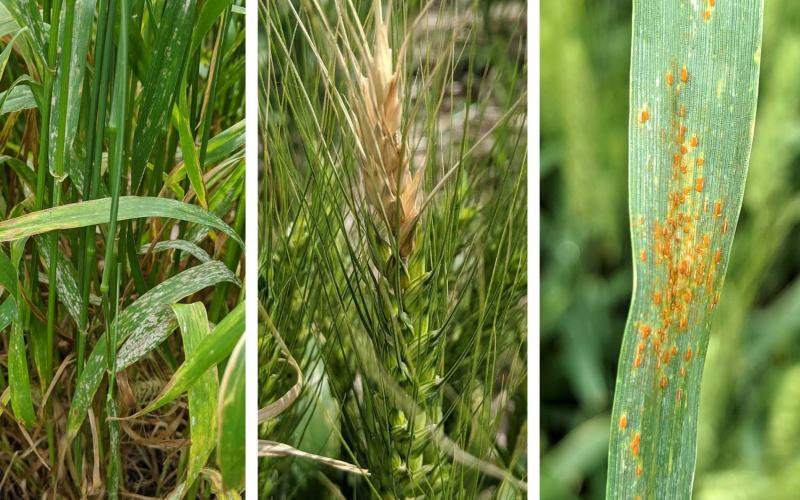
Winter Wheat Diseases Update
Powdery mildew, fusarium head blight and leaf rust were observed in a few winter wheat fields recently scouted. The recent rainfall showers and warm temperatures have favored these diseases to develop in winter wheat.
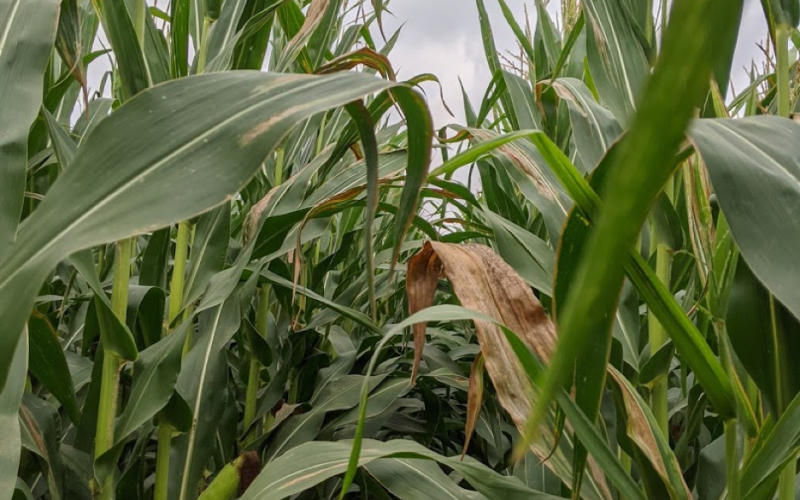
Goss’s Bacterial Wilt and Blight Developing
While out scouting corn fields (the week of August 11, 2020) Goss’s bacterial wilt and blight was found starting to develop in a number of fields.

Crazy Top Disease Developing in Corn
Crazy top disease was observed in a few fields in the Southeast counties in the state. This disease develops in corn that is flooded or under full water saturation when corn has not reached the four-to-five leaf stage.

Southern Rust, Bacterial Leaf Streak, and Eyespot Are Developing in Corn
Southern rust was found in Yankton County, bacterial leaf streak was found in Brule County, and eyespot was found in several fields and counties the week of July 27, 2020.
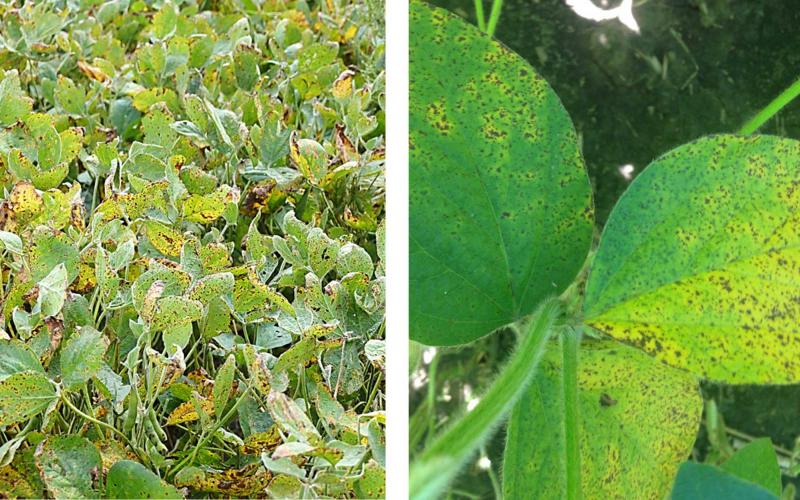
Deciding on Fungicide Application to Manage Mid-Late Season Soybean Leaf Fungal Diseases
Soybean leaf diseases can develop in some soybean fields to reach yield-reducing levels. The question that growers often ask is whether it is profitable to apply a fungicide to soybeans at the R3/R4 growth stage in South Dakota.
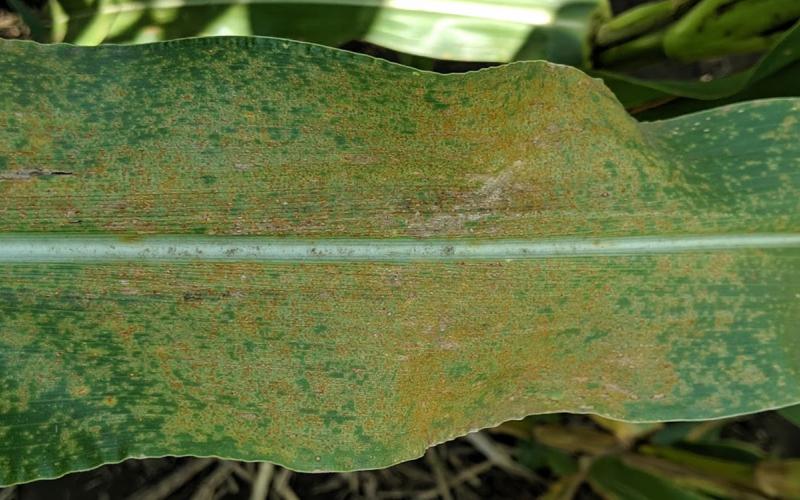
Is a Fungicide Applied at Tasseling Profitable in Corn?
Corn is currently at tasseling/silking across the state. This is usually the growth stage when a fungicide is applied to control fungal diseases.
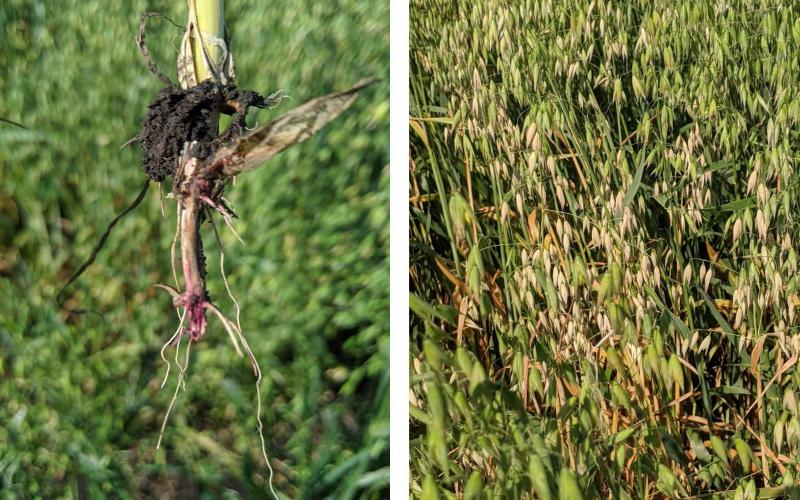
Fusarium Crown and Root Rot Observed in Oats
Some oat fields are showing plants wilting with tillers dying prematurely and heads looking bleached. Inspecting the crown and sub-crown area reveals the discoloration and rotting and sometimes a pinkish color can be observed. These are typical symptoms of Fusarium root and crown rot.