Weather
All Weather Content
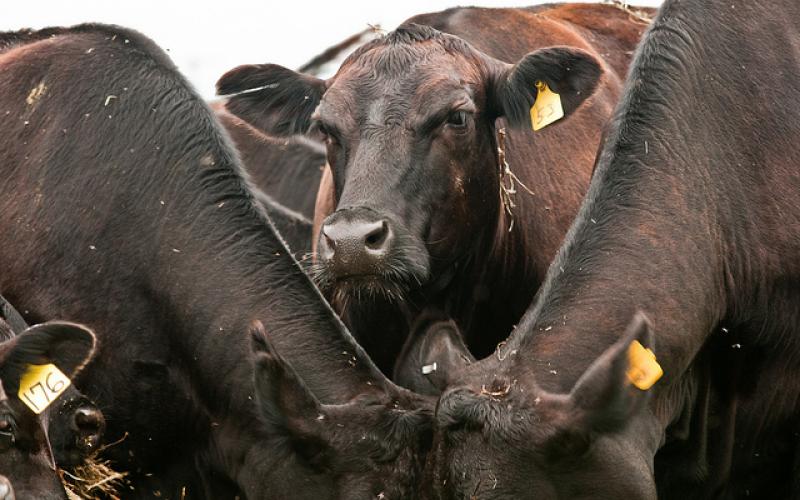
Feeding Drought-Stressed Crops to Cattle
Can drought-stressed crops be be utilized as feed? The answer is yes, if we know what the levels of nitrates are in the feedstuffs in question.
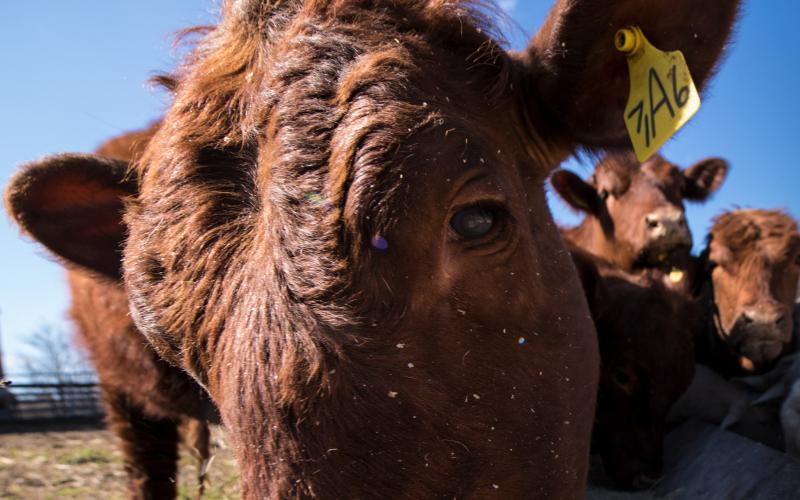
Limited Forage: What Are Some Alternatives?
Research has shown that a variety of feedstuffs can be utilized to meet the cows’ nutrient requirements with similar performance to hay or hay plus supplement ration.
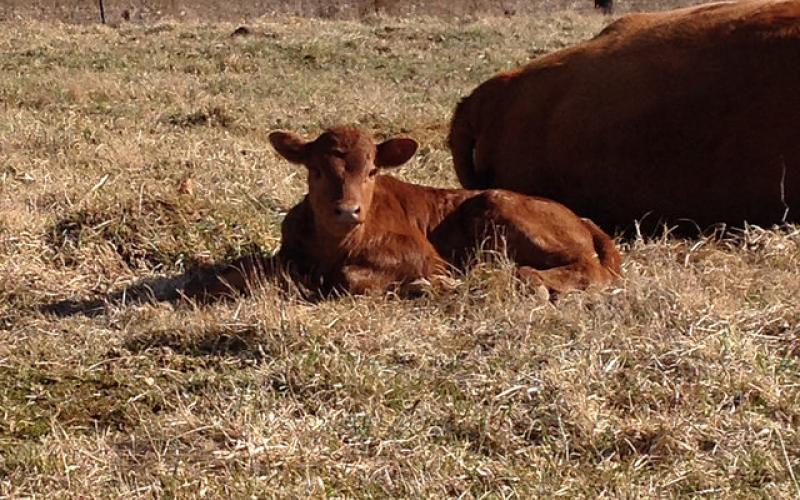
Early Weaning as a Drought Management Strategy
Successfully managing drought conditions requires balancing the amount of forage demanded by grazing livestock with the amount produced.
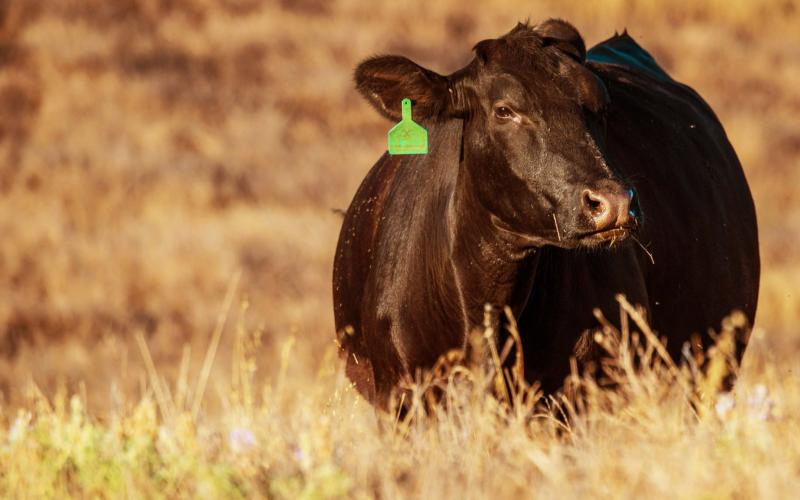
Hot Weather Challenges Beef Cattle
Hot weather conditions create challenges for grazing beef cattle.
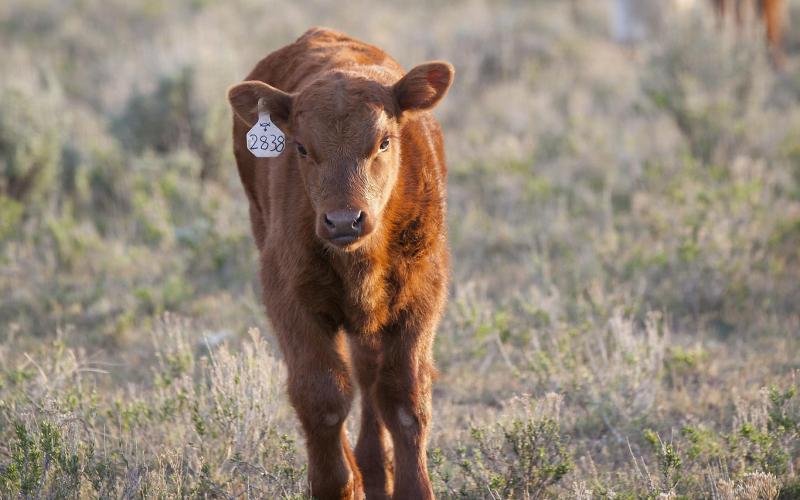
Managing Light-Weight Calves
Weaning calves early is a powerful management tool to reduce demands on range and pasture.
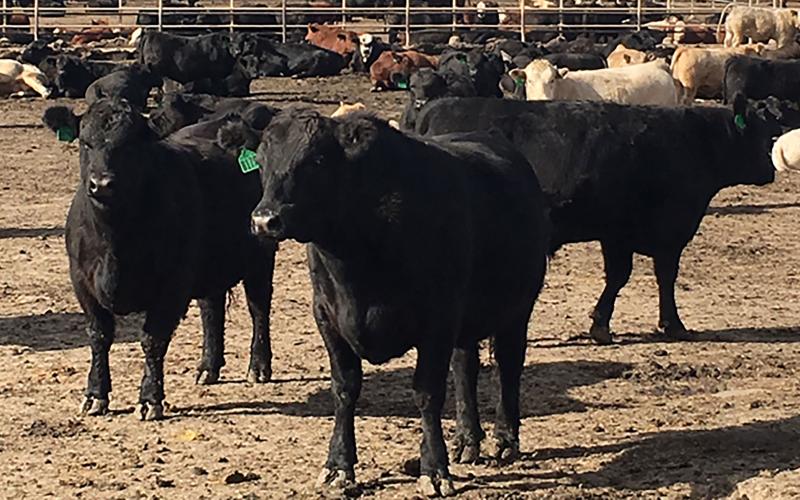
Drylotting Cow-Calf Pairs
Whether because of reduced forage production caused by drought, or increased competition for grazing acres, feeding lactating cows in a drylot is being at least considered as an option by more ranchers.
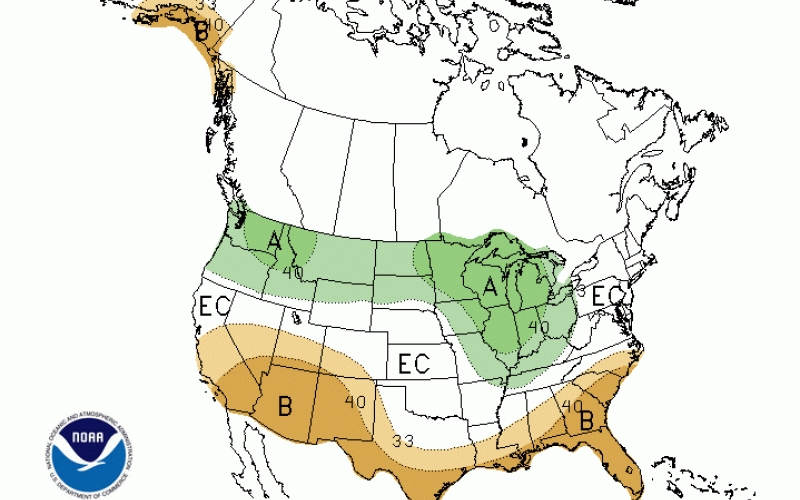
Drought Conditions Continue to Deteriorate Across South Dakota
April 06, 2021
South Dakotans’ apprehension of an impending drought has been growing.
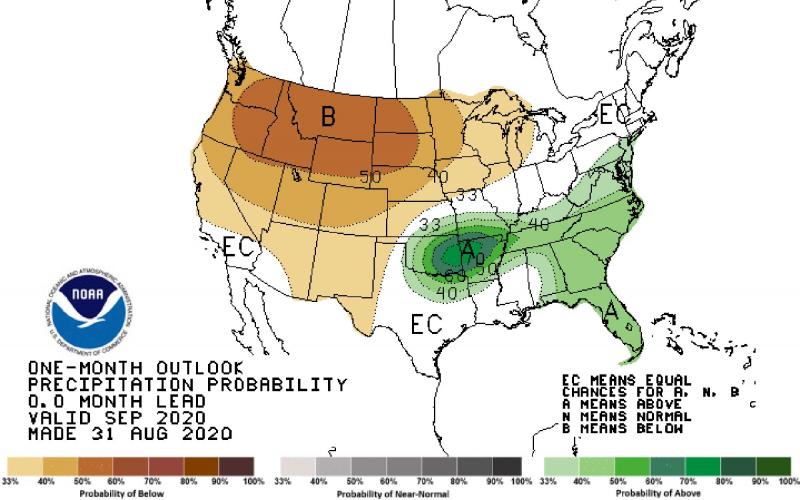
September 2020 Climate & Drought Outlook
Summer has its last hurrah the first week of September before we see potential for our state’s first freeze of the fall season, according to NOAA’s Climate Prediction Center.
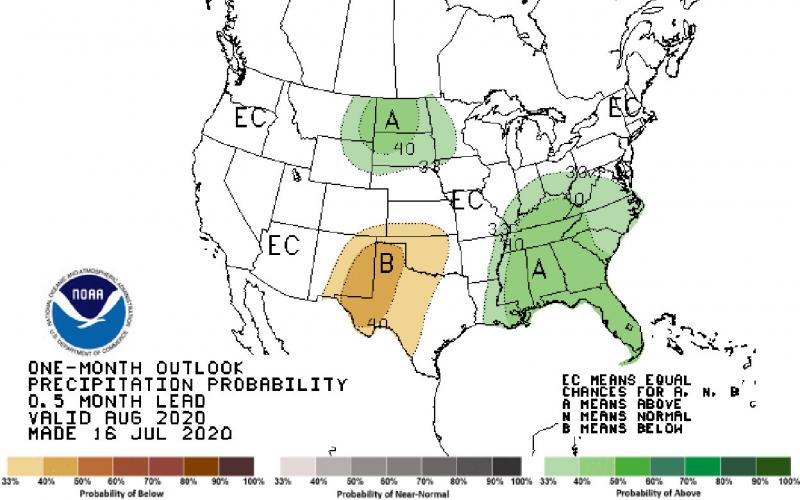
Late Summer 2020 Climate Outlook
Drought concerns in South Dakota may be relieved later this summer, according to the NOAA Climate Prediction Center’s seasonal outlook released this week.
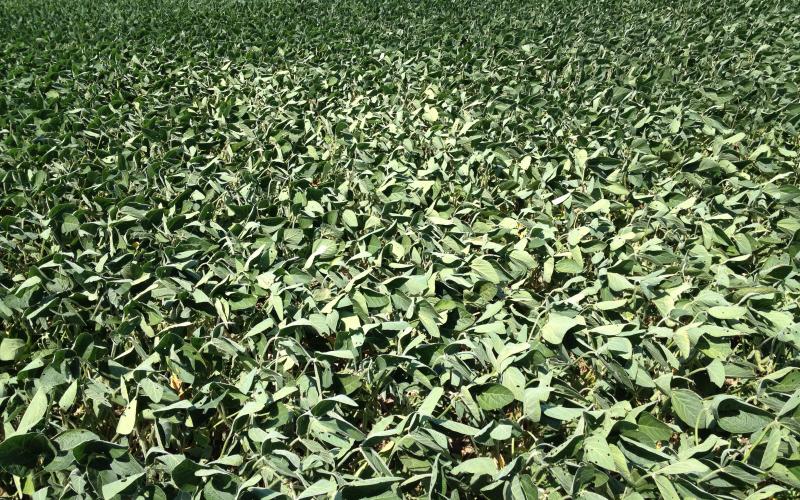
Drought Stress Symptoms in Soybean
Soybeans in South Dakota are in their moisture-critical reproductive stage. Drought stress during this growth stage can significantly impact yield, so here are some things to look for.